The Department of Water and Sanitation (DWS) plans to launch the National Pollution Register on Thursday. This register will provide citizens with access to information regarding municipalities, companies, and other entities that have been subject to official enforcement actions for polluting the country's water resources, starting from October 1, 2026.
According to a DWS statement, the register will contain details about entities that have been issued directives, found guilty of pollution violations, or ordered by courts to pay compensation for damage caused by water pollution.
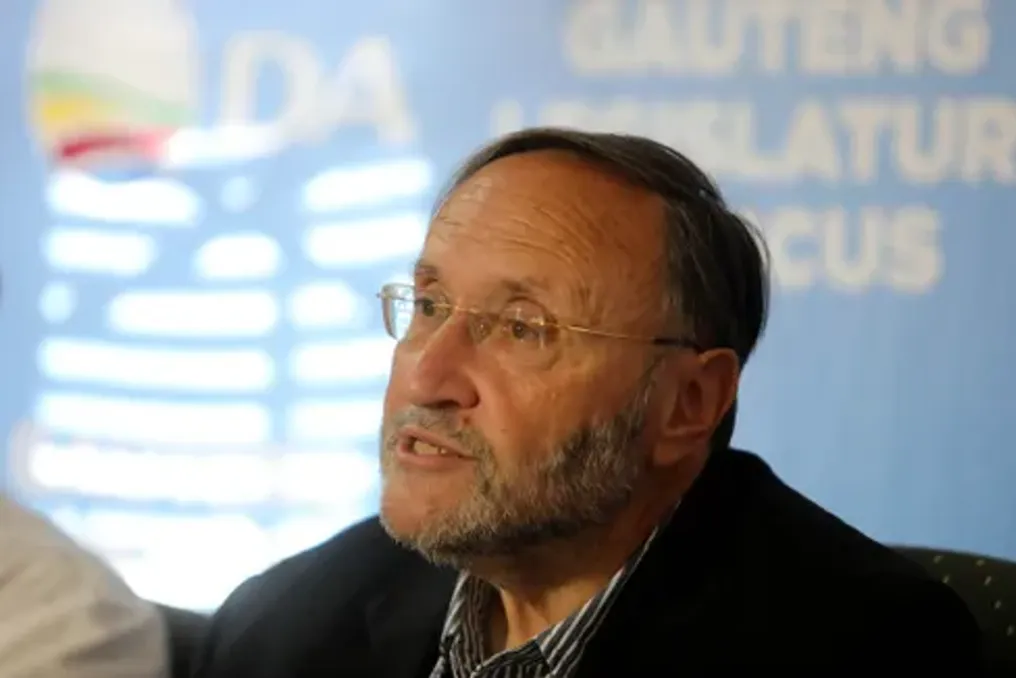
Before the launch, Deputy Minister of Water and Sanitation, Dr. Jack Bloom, will visit two sites to demonstrate how upstream pollution can affect the water available to downstream communities.
Water Treatment Facilities
The first stop will be the Hartbeestenfontein treatment plant, which received a DWS notice in August 2025 due to pollution. Wastewater from this area eventually flows downstream to the Rietvlei dam. DWS reported that the delegation will then visit the Rietvlei water treatment plant.
Bloom noted: 'The Rietvlei dam is a source of raw water for the plant, but the deterioration of raw water quality has affected the City's ability to use the dam as a drinking water source. These inspection visits will precede the official launch of the register, including a demonstration of how the public can use it.'
Fines and Enforcement
Dr. Ferrial Adams, executive director of the South African civil organization WaterCAN, considers the National Pollution Register a positive step in principle, but stressed that its true value will depend on the government's transparency and decisiveness. Adams stated that they expect to see whether the register names and shames polluters regardless of their status—whether they are municipalities, other government agencies, or private companies.
In her words, South Africans have the right to know who is polluting rivers, dams, and water sources, but merely naming the polluters is only the first step. Adams added that it is also necessary to see what enforcement measures are being taken, whether fines are significant, and most importantly, whether the pollution itself is being stopped.