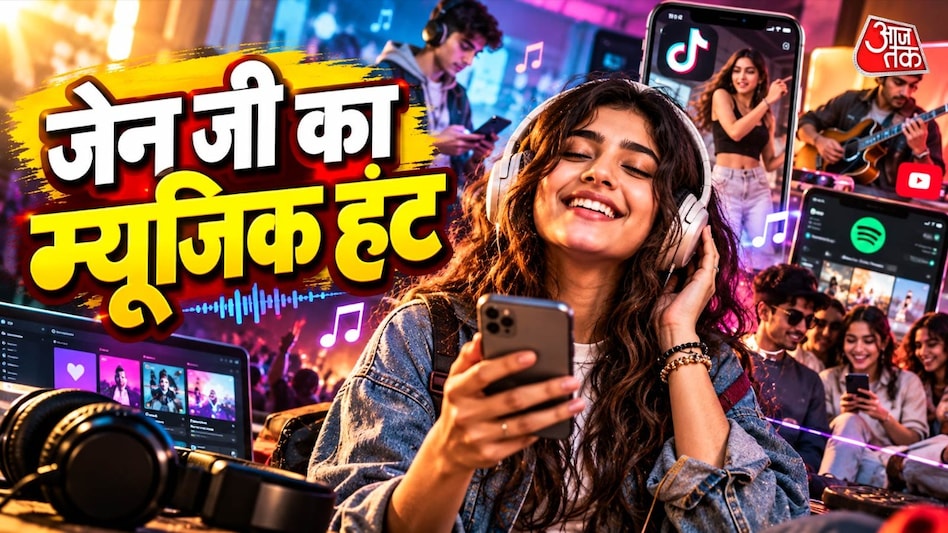
How Generation Z Discovers Music: From Short Videos to Full Tracks
Read more
Aaj Tak
www.aajtak.in

How Generation Z Discovers Music: From Short Videos to Full Tracks

For Generation Z, discovering new music today goes beyond simply listening to a track. The initial encounter with a song might happen through short video platforms like TikTok. Afterward, listeners may search for the full track or information about the artist on other music and video services. Furthermore, recommendations from friends, communities, or trusted curators can prompt them to listen further. Thus, the process of music discovery is no longer limited to a single platform.

According to the One To Watch 2026 guide titled 'How Generation Z Actively Discovers New Music Today,' there are numerous pathways for Gen Z members to find new music. These methods include short videos, streaming services, collaborative playlists, online communities, live music, gaming, influencer storytelling, and human curation.

In the initial stage of music discovery, short videos play a decisive role. Media research indicates that 51% of young people aged 16 to 24 consider TikTok one of the primary channels for finding new music. Although TikTok is unavailable in India, similar trends are often observed on Instagram and other platforms where Reels are popular.

However, popularity of a song or artist on TikTok does not signify the end of their journey. The One To Watch guide mentions the so-called 'song-to-artist discovery gap.' This means that a small snippet of a song can go viral on social media, but this does not guarantee that the listener will find the artist's name or their other works.

Once a listener becomes interested in a particular track, they may begin searching for the artist's name, the full track, or other content. Various music and video platforms play a role in this process. After getting initial information about a song on social media, the audience may move to other platforms to learn more about the artist, allowing the discovery process to start on one platform and continue on another.

Next comes the role of communities. According to the One To Watch report, platforms such as Discord and Reddit, with their collaborative playlists and online music communities, can aid in discovering new songs and artists. This suggests that even after a song appears on a digital platform, its further discovery is not solely dependent on algorithms; friend recommendations, shared playlists, and preferences within a specific music community can also lead a listener to a new artist.

Discovering an artist on social media does not always translate into active music listening or becoming a fan. The One To Watch report also points to this gap, emphasizing that viral fame and long-term fandom are different things. A viral moment can bring an artist to a wide audience, but the listener's transition to the artist's other work and long-term attachment require a separate process. This is why factors such as authenticity, community, and live experience become highly significant.

After the audience discovers a song, they may listen to it, save it, or add it to their playlist. Then they have the opportunity to explore other compositions by the artist, live performances, the community, or other content. Thus, for Generation Z, music discovery is not just the process of first listening to a track, but a comprehensive experience that develops across various platforms, communities, and people. Interest sparked by a short clip on TikTok can lead to searches on other platforms, and then, thanks to friend recommendations, playlists, or communities, a lasting connection with the artist can be formed.
Similar stories

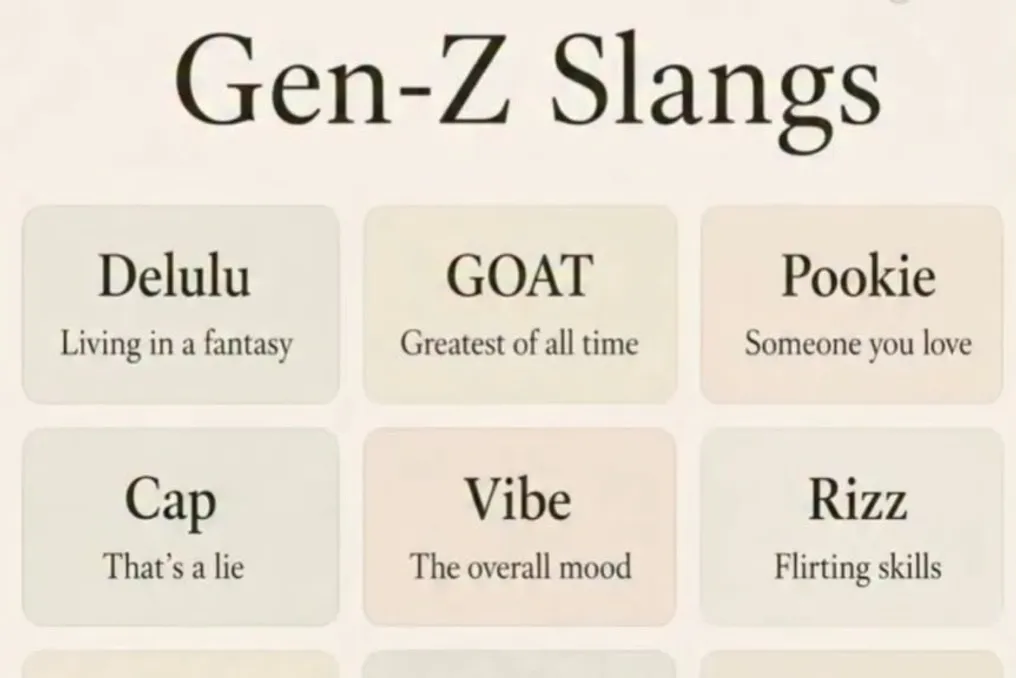
When and how to use new Gen Z slang words: From Rizz to Mogging
Read more
www.aajtak.in

When and how to use new Gen Z slang words: From Rizz to Mogging

The communication of Generation Z features numerous new words that may be unfamiliar to those hearing them for the first time. Internet culture, memes, music, and social media have significantly altered the language of this generation. Slang expressions such as Rizz, Drip, No Cap, Ate, and Left No Crumbs have moved beyond being purely online terms and have become part of casual conversations among friends. These words are characterized by their ability to convey a complete reaction using just a few words instead of long explanations.

Rizz: When it comes to charm

The word Rizz is used to describe someone's ability to flirt or attract attention. If a person can impress a conversational partner without much effort, they are said to have 'Rizz'. For example, the phrase 'He made her laugh in two minutes, he has Rizz' means it applies to charisma, confidence, or flirting skills.

Drip: When the look is flawless

Drip is used to describe stylish and fashionable clothing or a person's overall appearance. If an outfit looks very impressive, one might say: 'Look at his Drip.' This expression is primarily used in the context of fashion, clothing, and personal style, for instance: 'His Drip today is fire.'

No Cap means absolute truth, stated without hesitation or embellishment. When Gen Z says 'No Cap,' it implies that what is being said is sincere, without lies, doubt, or exaggeration. It is used to emphasize the truthfulness of one's statement or to present something completely openly. For example: 'No Cap, I saw the best movie of my life.'

Ate: When someone exceeded expectations

If someone performs, showcases an outfit, gives a speech, or accomplishes something exceptionally brilliantly, Gen Z might say: 'She ate.' Here, 'Ate' does not mean 'to eat,' but rather signifies performing something at the highest level. Example: 'She performed so well on stage, she ate!'

Left No Crumbs is a stronger form of 'Ate.' It means that a person handled something so wonderfully that there were no flaws in their work. (In other words, they succeeded completely). Example: 'Her look on the red carpet? She ate and left no crumbs.'

Mogging: When someone overshadows everyone else

The word Mogging is used when one person significantly surpasses another in comparison regarding appearance, physique, style, or overall charisma. In social media, this is often seen in internet battles and comparisons based on looks. For example: 'He outshines everyone in this photo.'

Skibidi: Random internet atmosphere

Skibidi does not have one fixed meaning. It became popular through internet memes and is most often used to humorously describe some random, strange, or chaotic situation. If a friend suddenly behaves very unusually, you might ask: 'What was that Skibidi moment?' This sounds more natural in informal, meme-style conversations.

The main rule of slang is context

The enjoyment of Gen Z slang lies not only in memorizing these words but also in knowing how to apply them in the appropriate context. It is not necessary to insert Rizz, Drip, or Ate into every conversation. Although the popularity of these words originated from internet culture, their correct usage is only possible when they organically fit the situation. Thus, Gen Z is not just changing its vocabulary; it is transforming the very approach to expressing thoughts.

Popular