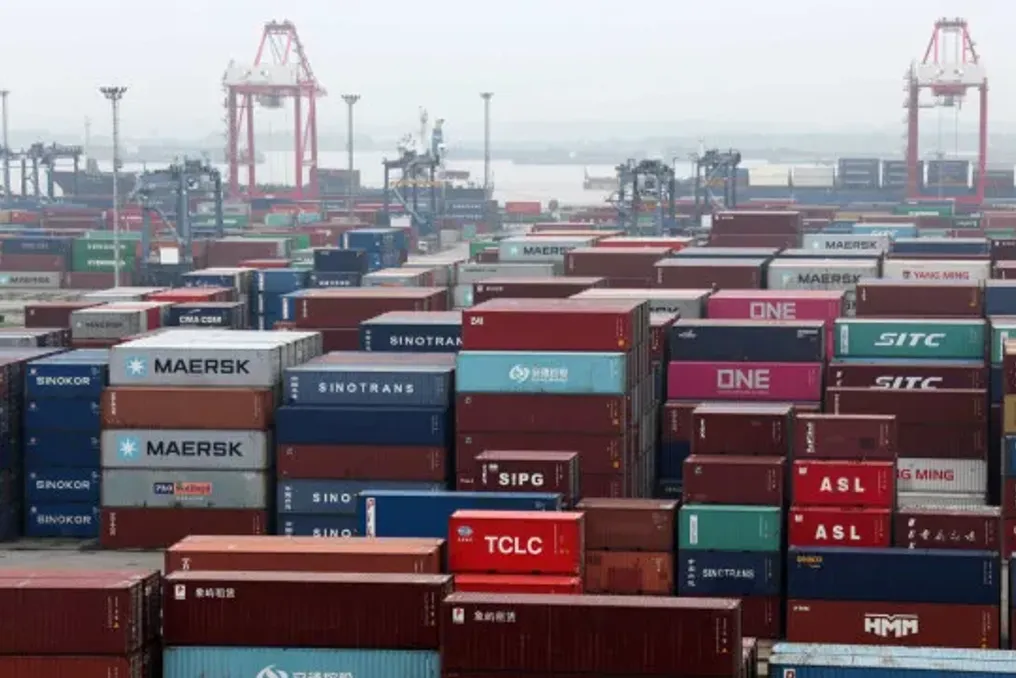
US Bans Imports of Alcohol, Dairy Products, and Motorcycles from Canada
Read more
Noticias ao Minuto
noticiasaominuto.com

US Bans Imports of Alcohol, Dairy Products, and Motorcycles from Canada

The United States has imposed a ban on the import of alcoholic beverages, dairy products, and motorcycles from Canada. This decision was announced by US President Donald Trump on September 8th and took effect at 00:01 Washington time (05:01 Lisbon time).

The new measure completely cancels previously applied tariffs of 50%, which had been in effect in the US since August on some of these goods. Three presidential decrees cover alcoholic beverages, such as wine, whiskey, vodka, rum, and beer; certain dairy products, including protein concentrates, whey juice, and molasses; and a range of motorcycles produced in Canada.

Regarding vehicles, the ban applies to motorcycles and mopeds with internal combustion engines exceeding 800 cubic centimeters. Among the manufacturers affected by this ban is the Canadian company BRP, which produces the three-wheeled vehicles Can-Am Spyder and Canyon for the North American market in Quebec.

Washington justified this decision by stating that it is a response to discriminatory trade practices by Canada, as well as retaliatory measures taken by Ottawa in response to tariffs imposed by the United States. US commercial representative Jameson Green stated that these bans are a consequence of Canada's treatment of American exports of alcoholic beverages, dairy products, and vehicles.

Analysts believe that the overall impact on the Canadian economy will be limited, but it could be significant for companies directly affected by the ban. Last year, Canada exported about 1.2 billion Canadian dollars (770 million euros) worth of alcoholic beverages to the US, while sales of dairy products and motorcycles subject to the ban have significantly decreased.
Similar stories

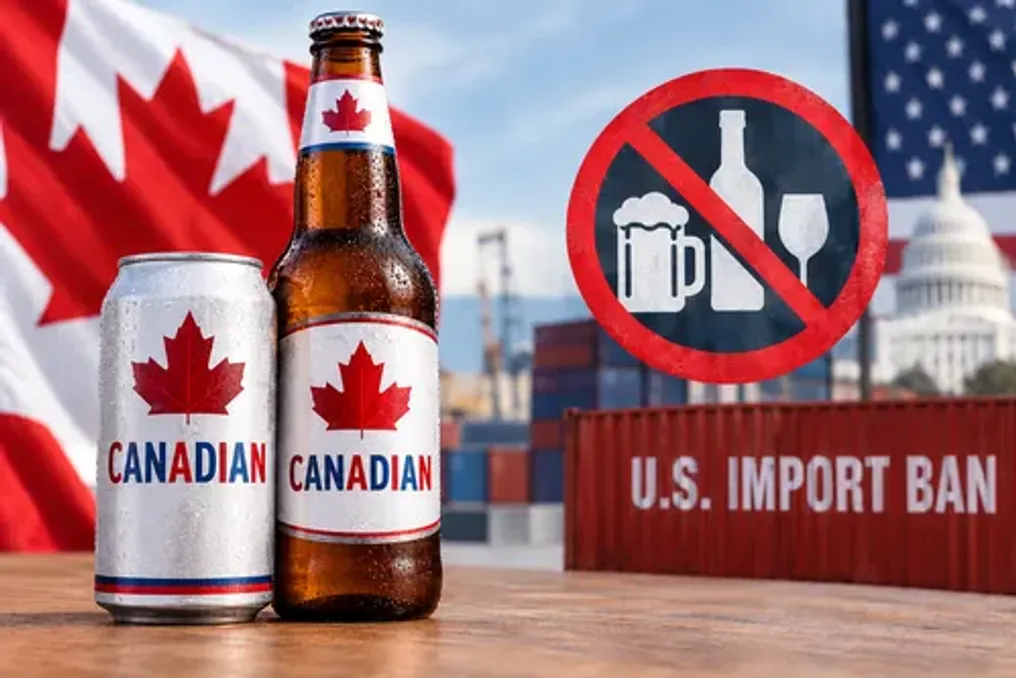
US escalates trade war with Canada by banning import of several Canadian goods
Read more
iol.co.za

US escalates trade war with Canada by banning import of several Canadian goods

Tuesday saw the implementation of a new US ban on the import of several Canadian products, including various alcoholic beverages, signaling a deepening economic confrontation between the two countries. This ban was announced earlier this month and took effect on Tuesday at 12:01 AM Eastern Time in the US.

This escalation occurs against a backdrop of prolonged rising tension in trade relations between the neighboring states after negotiations to resolve the crisis failed in August, despite multi-day meetings held in Washington.

Since taking office for a second term, the politician has applied a wide range, sometimes excessively high, tariffs to both allies and adversaries in global trade. The new ban covers various alcoholic beverages such as beer, sparkling wine, brandy, sake, and many types of hard liquor. Furthermore, it extends to whey protein and powerful motorcycles.

These new measures were announced by Trump on September 8th, after Canada imposed retaliatory tariffs affecting approximately $20 billion of American exports. The US President justified the ban on Canadian alcohol by citing 'discriminatory' boycotts and tariffs applied to similar American goods.

On Monday, he accused the second-largest trading partner of his country of arrogance. He told reporters at the White House: 'The problem is that they treated the United States very unfairly. They were one of the worst countries in the world.'

Anti-American sentiment in Canada has been high since Trump began his tenure, as the billionaire often referred to the population of 41.7 million people as the '51st state' of the United States. In August, Trump signed an executive order changing the name of Lake Ontario, located on the border with Canada, to 'America Lake.' This move sparked anger in Canada amid a widespread wave of patriotism provoked by Trump's hostility.

Although Carney enjoys support from Canadian public opinion, the country remains dependent on its southern neighbor. Approximately 60 percent of Canada's imports come from the US, and about 70 percent of its exports go to the US market. To support businesses and workers, the Canadian government introduced a $5.4 billion aid package.

Nevertheless, Spirits Canada noted that the consequences of Tuesday's ban could be 'significant.' The United States is undoubtedly the most important export market for Canadian spirits, with about 50 percent of Canadian spirit production linked to demand in the US. The association emphasized that 'this leaves Canadian producers with limited ability to replace lost demand in the US in the near term.'

Popular