Mountain-Style Kafuli Recipe: Preparing a Dish from Arbi Leaves
Read more
Aaj Tak
www.aajtak.in

Mountain-Style Kafuli Recipe: Preparing a Dish from Arbi Leaves

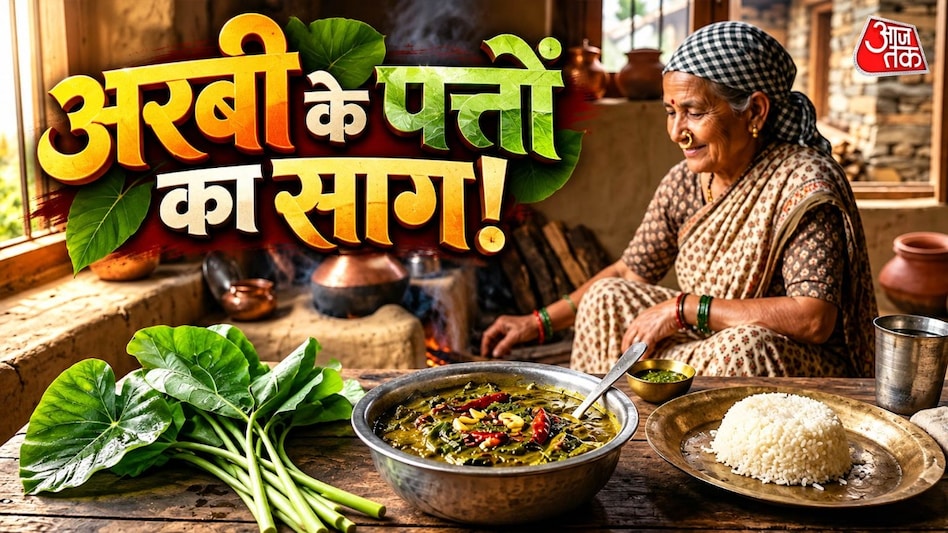
Although arbi leaves are often used to make fried fritters, in the state of Uttarakhand these leaves are prepared as a vegetable dish known as Kafuli, which is characterized by its simplicity. We present a recipe for mountain-style Kafuli made from arbi leaves.

In the Uttarakhand region, people highly value not only the mountains but also the local cuisine; traditional green dishes often surpass the taste of vegetables available in restaurants. Although Kafuli is mainly prepared in Uttarakhand from spinach and fenugreek, there is also a popular version made from arbi leaves. In the mountains, arbi leaves are called 'gaderi ke pat', and their green salad is traditionally eaten with rice.

If you enjoy fresh and new vegetables, you can prepare Kafuli from arbi leaves for lunch, serving it with rice. This dish requires few ingredients and is very easy to prepare. The advantage of this method is that it does not cause the burning sensation characteristic of arbi leaves, allowing you to enjoy this salad without discomfort.

To begin, thoroughly wash the arbi leaves, removing stems and thick veins, and then chop them finely. Optionally, you can add a little spinach. Next, heat water in a pot and boil the chopped leaves until cooked. It is important to cook the arbi leaves well to reduce their natural irritant properties.

After the leaves cool down, place them in a blender and lightly crush them, without turning them into a very fine puree. In a separate bowl, take rice flour and dissolve it in a small amount of water to obtain a liquid mixture. Next, heat mustard seeds in vegetable oil in a pan, add finely chopped garlic and green pepper, frying them until they have a light aroma. After this, mix in turmeric and coriander powder, remembering to add a little water so that the spices do not burn. Then add the crushed arbi leaves to the pan and mix thoroughly.

Next, grind the rice soaked in water in a mortar to a coarse consistency, and add this mixture to the Kafuli, mixing well. Adding water as needed, the Kafuli simmers over medium heat for some time. When the dish thickens and is fully cooked, add salt to taste. After about 8–10 minutes of cooking, turn off the stove.

Kafuli is served hot with plain rice, but it can also be eaten with flatbreads. Besides arbi leaves, Kafuli can be made from spinach, fenugreek, or pumpkin leaves.
Similar stories

Recipe for Garlic Paste Dressing in Mountain Style
Read more
www.aajtak.in

Recipe for Garlic Paste Dressing in Mountain Style

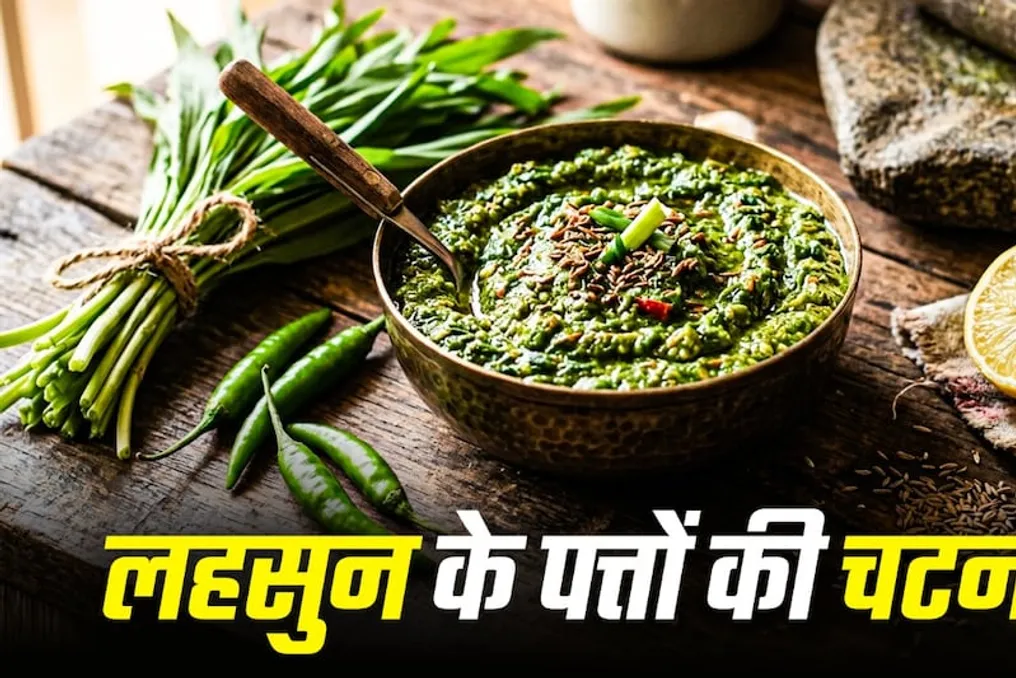
Garlic aroma is often used in Indian cuisine to prepare fried additions because it significantly enhances the flavor of dishes. Although garlic cloves are widely used, garlic leaves are also actively utilized in mountain regions. These leaves are added to vegetables for frying, and a very tasty green paste dressing is also made from them.

This garlic paste is served as a side dish to dal, rice, bread, and vegetables, which is enjoyed with pleasure. Preparing this dressing is not difficult, and its taste differs from that of coriander and mint dressing. If you want to cook something original and authentic, you should try this mountain-style garlic paste.

The specialty of this dressing is that it requires few ingredients for its preparation. The aroma of green garlic leaves, the spiciness of green pepper, and the mountain character give the dish a completely different taste.

What to eat it with?

This garlic paste pairs excellently with dal, rice, bread, steamed flatbreads, and mountain flatbreads. It is especially pleasant to enjoy hot food accompanied by this spicy and aromatic dressing. If you like new and authentic flavors in home cooking, be sure to try making this mountain garlic paste.

Vegetable Karbi (Arbi) Recipe with Yogurt: A Garlic and Onion-Free Dish from Mathura
Read more
www.aajtak.in

Vegetable Karbi (Arbi) Recipe with Yogurt: A Garlic and Onion-Free Dish from Mathura

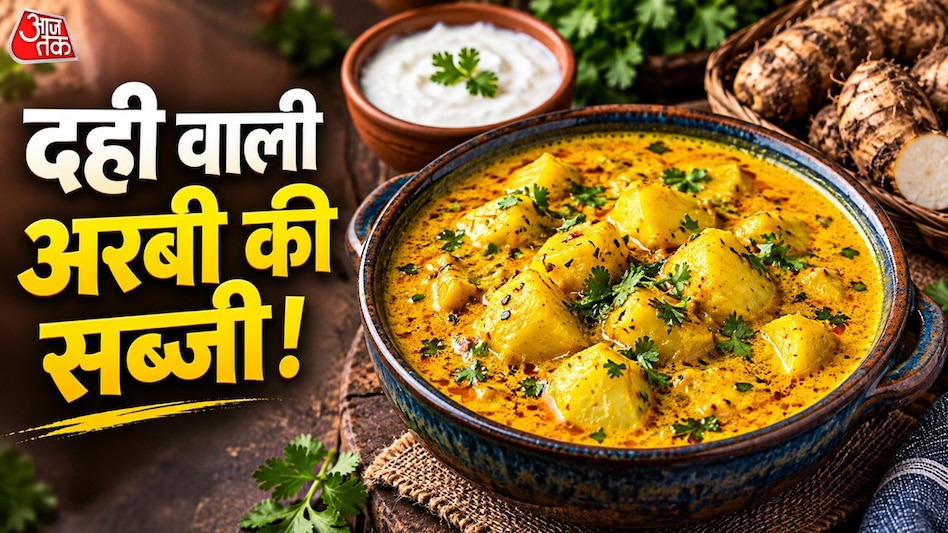
Karbi (Arbi) is often disliked by children, but preparing a vegetable dish in the Mathura-Agra style using yogurt makes it incredibly tasty, encouraging repeated consumption.

This dish is traditionally prepared during Radha Ashtami, especially in the state of Uttar Pradesh (UP). Unlike regular dry karbi, the yogurt version gains a light tang and spiciness from the addition of one cup of yogurt.

Serving this hot yogurt karbi pairs well with hot bread or paratha, and the recipe does not require a large number of ingredients. Below is a simple method for preparing this dish.

Preparing Yogurt Karbi

First, thoroughly wash the karbi and boil it. It is important not to overcook the vegetable so that it does not fall apart when sliced. After cooling, the skin is removed, and the karbi is cut into rounds or strips.

Heat oil in a pan and fry cumin seeds (jeera), fenugreek (ajwain), and asafoetida (hing). Then add the chopped karbi and fry until lightly golden brown, which enhances both the taste and texture of the vegetable.

After this, reduce the heat to a minimum and stir in turmeric, red chili, and coriander powder. After lightly frying the spices in a separate bowl, add a whisked cup of yogurt. When adding the yogurt, maintain low heat and stir constantly to prevent it from curdling.

Once the yogurt is evenly mixed with the spices, add a little water as needed, along with salt and green chili to taste. Simmer the dish for several minutes until the sauce thickens and oil begins to separate around the edges. Finally, add garam masala and sprinkle with finely chopped fresh cilantro, then turn off the stove.

How to Serve

The finished aromatic and spicy yogurt karbi should be served with hot roti, paratha, or puri. The light tang of the yogurt gives the karbi an even more pleasant flavor. It is recommended to try this recipe the next time you buy karbi.

Rajasthani Masala Bati Recipe: Preparation Using Flour, Dry Grain, and Lentil Flour
Read more
www.aajtak.in

Rajasthani Masala Bati Recipe: Preparation Using Flour, Dry Grain, and Lentil Flour

Anyone visiting Rajasthan must try the famous Dal Bati Churma. This dish is very popular, and people travel from afar for its taste. However, if you want to prepare something different from regular bati, try Rajasthani Masala Bati.

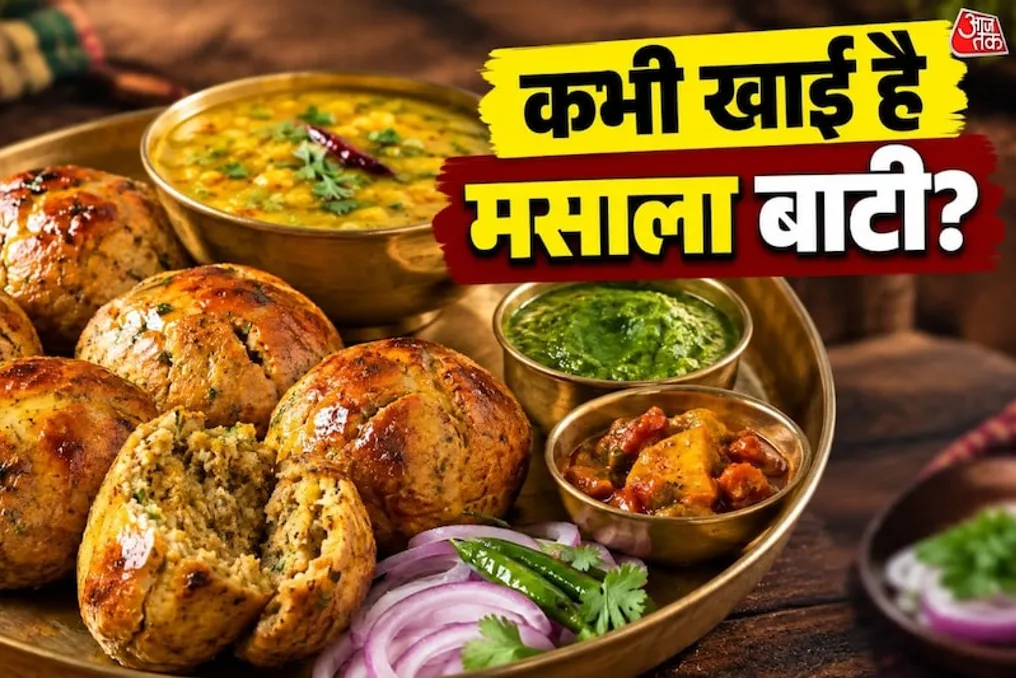
Masala Bati is prepared by mixing flour, dry grain, and lentil flour with coarsely ground spices. It is these spices that give the bati softness inside and a light crispy texture on the outside. The flavor of this dish becomes twice as rich when served with Dal Panchratan, Dal Arhar, green chutney, and pickled vegetables. Next, we present the method for preparing special Rajasthani Masala Bati.

Rajasthani Masala Bati Recipe:

The true taste of Masala Bati is achieved through the use of spices. For this, in a food processor, you should mix whole cinnamon, cardamom, cumin, cloves, black pepper, and salt. It is important not to turn them into a fine powder, but to grind them lightly. This will allow you to better perceive the aroma and taste of the spices when eating the bati.

How to Knead the Dough for Bati

In a large bowl, mix wheat flour, dry grain, and lentil flour. Then add the prepared coarsely ground spice mixture, asafetida, red chili powder, asafoetida, and baking powder, thoroughly mixing all ingredients. After that, incorporate ghee and mix it well with the dough. Knead the dough by gradually adding water. The dough should be soft, like chapati dough, but not too stiff and not too loose. Cover the kneaded dough and leave it for about 20 minutes to stabilize well.

Shaping Round Batis

After 20 minutes, the dough needs to be gently kneaded again until it is smooth. Then, separate small pieces of dough. This amount will yield about 15-16 pieces. Each piece must be wrapped between your palms, giving it a round shape. This is how all the batis are made.

How to Bake Bati in the Oven

Grease a baking tray with a little ghee. Arrange the ready batis on the tray with a small distance between them. Preheat the oven to 220 degrees Celsius. Place the tray with the batis on the middle rack of the oven and bake at 220 degrees Celsius for about 10 minutes. After 10 minutes, take out the batis and check their color. If they are still light, reduce the temperature to 200 degrees Celsius and bake for another 5 minutes. If necessary, you can bake for another 5 minutes. The batis are ready when they become evenly golden-brown and well-cooked. This usually takes about 20 minutes, but the time may vary depending on the oven.

Serving, Dipped in Ghee

The batis should be dipped in ghee while hot. Now your hot Masala Bati is ready. It is served with Dal Panchratan, Dal Arhar, green cilantro chutney, and pickled vegetables. Adding a little more ghee on top significantly enhances the flavor.

Pro Tip: The cooking temperature and time may differ in every oven. Therefore, after the first 10 minutes, be sure to check the batis. Then continue baking them as needed until they achieve a nice golden-brown color.

Popular