Clarens City Recognized as One of the Best Places to Live in South Africa
Read more
Getaway
getaway.co.za

Clarens City Recognized as One of the Best Places to Live in South Africa

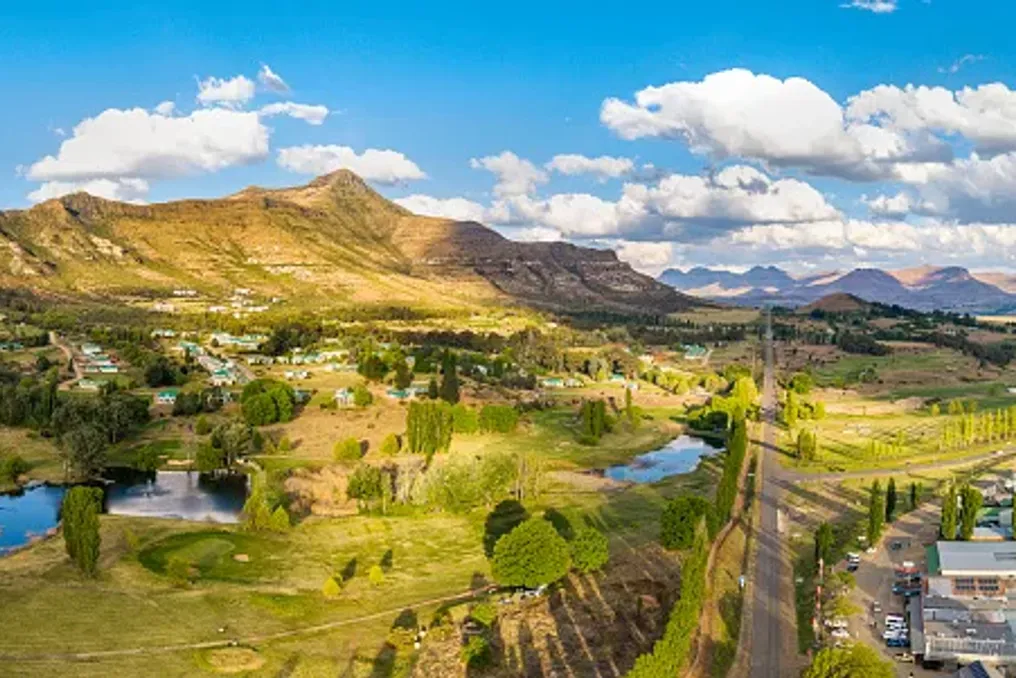
The town of Clarens, located in the Free State province, has been included in the list of best small towns in South Africa for living, receiving another recognition due to its picturesque mountainous landscape, art galleries, and relaxed atmosphere.

According to BusinessTech, Clarens ranked fifth in the Daily Maverick's 'Small Town of the Year' rating for 2025, achieving an overall score of 87.8%. It surpassed settlements such as Barrydale in the Western Cape, White River in Mpumalanga, Jeffreys Bay in the Eastern Cape, and Callinan in Gauteng.

The formation of the rating began with 2069 nominations from readers across the country. Subsequently, nine authors conducted research on the selected towns, evaluating them based on criteria such as cleanliness, municipal efficiency, community, safety, nature, family-friendliness, and connectivity. The so-called 'M-Factor', reflecting the unique character and atmosphere of each town, was also taken into account during the assessment.

Clarens showed particularly high results in the family-friendliness criterion, scoring 100%. Furthermore, it scored 90% for safety, nature, and connectivity, as well as 88% for cleanliness, and 80% for municipal efficiency and community.

Located in the east of the Free State, Clarens is approximately 336 km from Johannesburg and 284 km from Bloemfontein. Founded in 1912, the town is known as the 'Pearl of the Eastern Free State' and is surrounded by the Maluti Mountains. Its name originates from Clarens in Switzerland, where former South African President Paul Kruger spent his final years in exile.

The town has become a popular destination for weekends and holidays, attracting visitors thanks to its mountain scenery, outdoor activities, restaurants, accommodation, and creative community. Art plays a special role in Clarens' identity: there are about 20 permanent art galleries here displaying works by South African artists, with exhibitions changing throughout the year.

The annual Clarens Arts Festival has also contributed to strengthening the town's reputation as a creative hub. In 2026, the festival attracted around 5000 visitors, according to BusinessTech.

Clarens' surrounding landscape supports agriculture, including the cultivation of cherries and other fruits. The town's busy calendar is supplemented by events such as the annual cherry festival, craft beer festival, and light festival.

Nearby sites with rock paintings provide a link to the region's long history, while the surrounding mountains and countryside offer opportunities for hiking and other forms of outdoor recreation.

Clarens' appeal extends beyond its popularity as a tourist destination. The Daily Maverick's evaluation showed that some visitors come for a short time but then decide to make this town their home. The combination of landscapes, small-town atmosphere, outdoor activities, and creative community makes it particularly attractive to people seeking an alternative to city life.

Despite its small permanent population, Clarens hosts hundreds of thousands of visitors annually. According to census data cited by BusinessTech, the town itself has only 751 residents, increasing to approximately 6500 when neighboring Kgubetswa is included.

The town's popularity has also been reflected in the real estate market, where prices range from small sectional units to large houses, luxury properties, and established guesthouses.

Clarens has another unusual feature: it was named South Africa's first 'smart city'. In 2024, Eskom announced that Clarens would be the first city in the country to pilot a collective consumption restriction system, allowing residents and businesses to jointly manage electricity demand.

The system uses a meter at the city's main power supply point to monitor demand, with data transmitted every 60 seconds. When demand needs to be reduced, residents and businesses can adjust their electricity consumption in real time. Eskom reported that smart meters and electric vehicle charging infrastructure have already been installed in the city as part of a broader transition to 'smart city' initiatives.

For an economy heavily reliant on tourism, this system held particular significance. The coordinator of the Clarens group, Gert Kruger, stated at the time that avoiding power outages was 'life-changing' for the tourism-dependent town. Eskom noted that the pilot project demonstrated how communities can work together to reduce and manage electricity consumption, potentially providing a model for similar projects in other parts of South Africa.

Clarens' latest ranking strengthens its reputation as something more than just a picturesque weekend stop. Against the backdrop of the Maluti Mountains, a thriving art scene, restaurants, festivals, outdoor activities, and a growing reputation for innovative energy management, the Free State town offers a completely different pace of life compared to South Africa's major cities. For travelers, this combination makes Clarens a convenient place for extended stays, whether it's a short weekend getaway or a longer visit.
Similar stories

Five South African locations where rhino conservation is changing the species' future
Read more
getaway.co.za

Five South African locations where rhino conservation is changing the species' future

South Africa has long been a center for the global fight to protect rhinos. However, today conservation efforts extend beyond simply ensuring the safety of animals in reserves. Wildlife specialists across the country are relocating rhinos to new habitats, strengthening existing populations, increasing genetic diversity, and creating safer landscapes for population growth. Some of these animals are eventually sent outside South Africa's borders to help restore rhino populations in countries where they have disappeared.

This approach gains particular significance amid ongoing poaching pressure. In 2025, 352 rhinos were illegally killed in the country, which is 16% fewer than in 2024. While this decline is encouraging, conservationists are looking at long-term strategies to increase the resilience of rhino populations.

Ahead of World Rhino Day on September 22, the five mentioned locations demonstrate how conservationists are looking beyond protecting current rhinos, striving to create new populations and secure the future of the species.

The Historical Role of Hluhluwe-iMfolozi Park

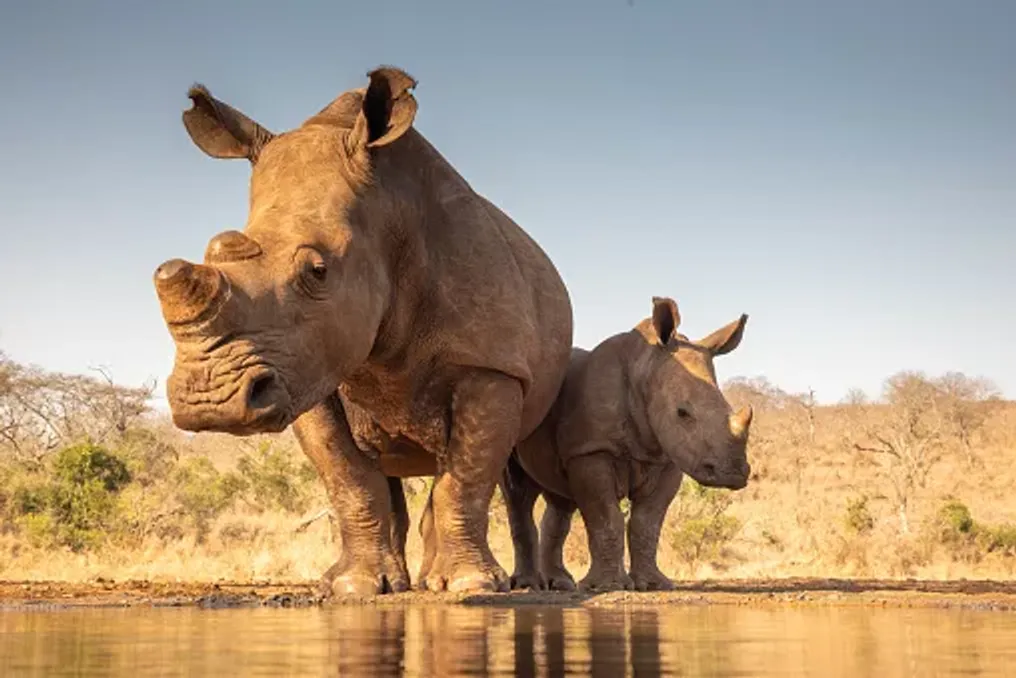
Several areas have played a crucial role in rhino conservation, including Hluhluwe-iMfolozi Park. In the late 19th century, white rhinos in South Africa were considered near extinction, until a small group was discovered in what is now the iMfolozi sector of the park. Their protection led to the creation of Operation Rhino—an innovative conservation program that began moving white rhinos to other areas to form new populations.

The results have been outstanding: descendants of these rhinos have formed populations across South Africa and other African countries, making the park a source of one of the greatest successes in wildlife conservation history. Today, Hluhluwe-iMfolozi continues to contribute to rhino conservation while protecting its own populations.

The park is home to both black and white rhinos, with black rhinos under particularly close observation. Conservation teams use foot patrols, aerial surveys, and strategically placed camera traps to identify individual animals, monitor their health, and understand population changes. This data is vital because individual black rhinos can be tracked throughout their lives, helping specialists understand breeding success, population structure, and where intervention may be needed.

The park's success with black rhinos also allows surplus animals to be moved to other suitable areas, expanding habitat range for the critically endangered species. Thus, Hluhluwe-iMfolozi represents more than just a historical conservation success; it remains part of the process of creating future rhino populations.

Expanding the Range Around Kruger National Park

Along the borders of Kruger National Park, a network of private and other protected areas is becoming an important part of the future of South African rhinos. As part of the Rhino Rewild initiative by African Parks, white rhinos from South Africa, rescued from former captive breeding operations, are being moved to carefully selected protected zones. Destinations are assessed based on habitat, security, management capacity, and the ability to support viable populations.

Member reserves of the Greater Kruger Environmental Protection Fund have already taken in a significant number of these animals. In 2024, 120 South African white rhinos were relocated into the Greater Kruger landscape, and another 160 individuals were translocated in 2025. The animals are placed under veterinary supervision and de-roganzed to reduce vulnerability to poaching.

The essence is not just about adding more rhinos to the savanna. By strengthening populations across multiple protected areas, conservationists can distribute risks and create additional populations outside the country's largest national park. This is part of a much larger initiative: in 2023, African Parks took responsibility for about 2,000 white rhinos raised in captivity with the goal of rewilding them in safe protected areas across Africa over a decade.

Thus, the transfers to Greater Kruger are only part of an ambitious attempt to turn animals previously dependent on intensive management into wild rhinos contributing to functioning ecosystems.

The Conservation History of Munhwana

Munhwana Conservancy is of particular interest because its conservation history is closely linked to land return and community ownership. This 29,866-hectare conservancy includes land owned by the Makhasa and Mnkobokazi communities, as well as private conservation partners, including &Beyond Phinda and ZUKA Private Game Reserves. The communities decided to keep their restored lands protected.

In May 2024, Munhwana became the first destination under the African Parks Rhino Rewild initiative, accepting 40 South African white rhinos. The animals were moved there to strengthen the existing population, improve genetic diversity, and create opportunities for future translocations. Conservation also supports tourism, which is a vital part of the local economy.

Munhwana's role has since gone beyond simply receiving rhinos. The conservancy functions as an adaptation and staging ground for animals destined for other parts of Africa. Rhinos spend time there acclimatizing to natural conditions before long journeys to new habitats. In 2025, 70 South African white rhinos that passed through Munhwana were transferred to Akagera National Park in Rwanda. Other rhinos from the conservancy also contributed to the restoration of white rhinos in Garamba National Park in the Democratic Republic of Congo.

This makes Munhwana an unusual example of conservation action: communal and private lands in KwaZulu-Natal are helping sustain rhino recovery thousands of kilometers away.

Black Rhino Conservation

The future of rhino conservation does not only concern white rhinos. Black rhinos remain far rarer, and establishing additional populations is a crucial part of reducing the species' vulnerability. The Itala Reserve in KwaZulu-Natal has become part of these efforts under the Black Rhino Range Expansion Project. The principle is simple: create viable black rhino populations in suitable habitats outside their existing strong refuges.

A recent example shows why this work matters beyond South Africa. In June 2025, 10 critically endangered black rhinos were moved from South Africa to Zinave National Park in Mozambique. The animals were sourced from the Itala Reserve and under the Ezemvelo KZN Wildlife Black Rhino Range Expansion Project, and then transported to Hluhluwe-iMfolozi Park for preparation for travel. This move was part of a larger project to restore black rhinos in Zinave, where they disappeared decades ago.

These 10 animals increased the total number of rhinos transferred to Zinave to 47. Conservationists hope that the growing population will eventually become a viable breeding population, and genetic diversity will be strengthened by introducing animals from different sources.

This serves as a useful reminder that South Africa's role in rhino conservation extends beyond its borders. Where successful populations can safely release animals for carefully planned translocations, these rhinos can become the foundation for new populations in other parts of Africa.

The Contribution of Greater Makalali

Greater Makalali offers another example of how private conservation areas can contribute to the future of rhinos. This reserve actively participates in the WWF-led Black Rhino Range Expansion Project, supporting rhino translocations, as well as field ranger teams and working dogs dedicated to animal protection. The approach combines habitat, protection, and biological management, rather than relying on a single intervention.

The Greater Makalali conservation model demonstrates the role private reserves can play in providing additional habitat for threatened species. The reserve's work has included the reintroduction of black rhinos, as well as continuous protection of white rhinos and other threatened wildlife. The reserve's security program includes specialized field rangers and canine units. For black rhinos, in particular, every suitable and well-protected landscape is important. Expanding their range can help create additional populations and reduce the risks associated with concentrating too many animals in a small number of areas.

The history of South African rhino conservation began with a small population of white rhinos in what is now Hluhluwe-iMfolozi Park. More than a century later, the descendants of these animals are helping conservation specialists create populations across the continent. Rhinos are moved between reserves to strengthen genetic diversity. Animals raised in captivity are returned to the wild. Community-owned lands become part of large-scale conservation initiatives, and South African black rhinos help restore populations in neighboring countries.

African Parks reported that by 2025, over 300 rhinos had been transferred through its Rhino Rewild initiative, with 33 calves already born in the wild. These projects do not eliminate threats. Poaching remains a serious problem, and rhino relocation is justified only when there is suitable habitat, reliable protection, and long-term management in the destination area.

South African Destinations for Couples to Relax Without Sacrificing Civilization
Read more
getaway.co.za

South African Destinations for Couples to Relax Without Sacrificing Civilization

Throughout South Africa, there are small settlements and natural areas that allow couples to slow down the pace of life while maintaining access to good restaurants, comfortable accommodation, and numerous places to explore.

These locations offer the opportunity to park, take a walk, find delicious food, spend time in the fresh air, and then return to a cozy room at the end of the day.

In the Magaliesberg mountains, Heidelberg is a suitable choice for couples who wish to enjoy nature without being completely isolated from civilization. This village has several cafes and restaurants, including Red Plate Restaurant and The Pot & Plough, and the surrounding Magaliesberg area offers plenty of opportunities for outdoor activities.

Couples can start the morning by exploring the village, and then head out to the surroundings for a hike or to visit a waterfall. Debegeni Falls is nearby, and the forests, lakes, hiking trails, and birdlife in this area provide many reasons to spend several hours outdoors. It is not necessary to plan every day with packed activities; one can choose a route, stop for lunch, and leave the second half of the day free. Here, one can enjoy the forest scenery, the village's restaurant life, and the unhurried atmosphere of the mountains.

St Lucia offers a different kind of slow travel. This small town in KwaZulu-Natal is located near the iSimangaliso Wetland Park, providing couples with easy access to amazing wildlife and landscapes while maintaining proximity to restaurants, accommodation, and other amenities. One of the main attractions of the area is the St Lucia estuary. Couples can take a boat cruise to see hippos and crocodiles, and the larger park offers guided tours, hikes, whale watching, turtle tours, and safaris.

The advantage of staying in St Lucia is that you don't have to choose between wildlife experiences and comfort. The town has accommodation options ranging from guesthouses to full-service hotels, including properties right in the city center. You can spend the morning on the water, have lunch in town, and keep the evening relaxed. Locals recommend staying for the estuary cruises, wildlife viewing, and simple access to one of South Africa's most outstanding natural areas.

Hogsback feels wonderfully removed from the hustle and bustle of daily life, yet it does not require couples to endure hardship. The mountain village is surrounded by local forest, and waterfalls, hiking trails, and viewpoints are the main reasons to get outdoors. The area also features restaurants, cafes, handicraft shops, and various accommodation options.

One of the easiest ways to experience Hogsback is simply by walking. Trails wind through the forest to the waterfalls, and the Big Tree, a giant yellow cedar estimated to be around 800 years old, is another attraction. Couples who do not want an intense weekend can forgo more extreme activities and focus on leisurely walks, gardens, local cuisine, and landscape beauty. It is worth stopping here for the local forests, waterfalls, mountain air, and cozy evenings in the village.

Clarens has become one of South Africa's most well-known small resorts, but its appeal to couples lies in how little you feel obliged to do. The town square is compact and convenient for walking, featuring galleries, craft shops, boutiques, cafes, and restaurants located close to each other. The area boasts over twenty galleries, allowing for afternoons spent appreciating art instead of filling the schedule with activities.

When you crave fresh air, the surrounding Maluti Mountains and the nearby Golden Gate Highlands National Park offer opportunities for hiking and other activities. The park has several easier routes available, so weekends do not necessarily have to be endurance tests. Afterward, you can return to the village for dinner, have a local beer, or spend a quiet evening in your accommodation. Clarens attracts visitors with its art galleries, good food, walkable streets, and dramatic mountain scenery.

Dallstrum is especially suited for couples who like to have things to do but don't feel obligated to do everything. The town in the Mpumalanga mountains is known for fly fishing, but this destination offers more than just casting a line. Its pedestrian streets are lined with restaurants, shops, and places to grab a warm bite, while hiking and mountain biking trails provide simple ways to explore the surrounding landscape.

A relaxed weekend can include an early walk, a leisurely breakfast, and an afternoon spent exploring the town before settling in for dinner. For fishing enthusiasts, the local waters offer another reason to slow down. Those not interested in fishing can simply enjoy the cool climate and countryside. Dallstrum is ideal for those who value country walks, fly fishing, restaurants, and high-altitude fresh air.

The best thing about these places is that couples do not need to build a complex travel itinerary. There are enough places nearby to fill a weekend, but not so many that you feel pressured to see everything. You can go into town for breakfast, spend a few hours outdoors, find a nice spot for lunch, and let the evening unfold unhurriedly.

Seven South African Destinations for a Packed Day with Diverse Activities
Read more
getaway.co.za

Seven South African Destinations for a Packed Day with Diverse Activities

Thanks to the diverse landscapes of South Africa, it is easy to plan days that combine nature, culture, wildlife, adventure, and gastronomy. These seven locations are ideal for travelers who prefer constant movement, as each offers a unique combination of experiences located close to one another.

Oudtshoorn, situated between the Swartberg and Outeniqua mountains, is one of the best places in South Africa for a dynamic day. This town in the Klein Karoo region is known for its ostrich farms, impressive scenery, and Cango Caves.

The day can begin with a visit to the Cango Caves, where tours allow visitors to explore a network of ancient limestone chambers and formations. These caves offer a completely different perspective on the Klein Karoo landscape and are one of South Africa's most famous natural attractions.

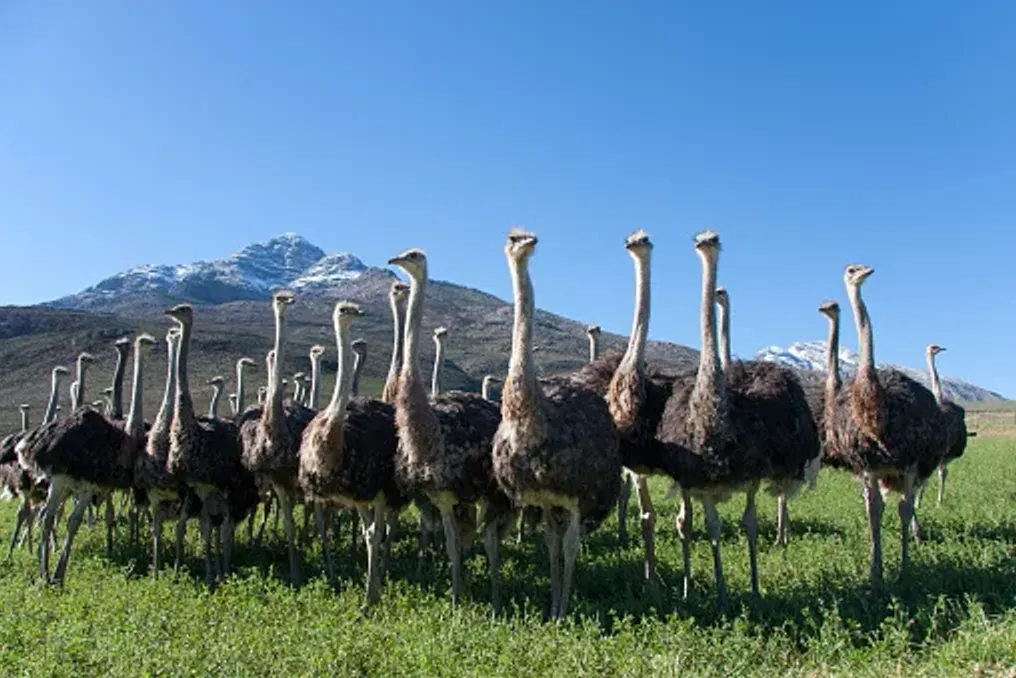
Upon returning to the surface, attention should be paid to the world's largest bird. Oudtshoorn is famous as the ostrich capital, and a visit to an ostrich farm provides an opportunity to learn about the birds as well as the history of animal husbandry that shaped this region. The day can conclude with a meal showcasing the tastes and produce of the Klein Karoo. If you have extra time, De Raadtsdrift nearby is worth a visit.

Combination: Underground Adventure + Wildlife + Food

Franschhoek is usually associated with wine and fine dining, but there are many activities before lunch. The valley combines mountains, active recreation, Huguenot heritage, galleries, restaurants, and wineries, making it easy to create a varied day.

Start with a walk or hike in the Mont Rochelle Nature Reserve. The reserve offers the chance to experience the mountains and fynbos surrounding the valley before returning to the village. Activities in this area also include cycling, horse riding, and paragliding. Then head to Franschhoek to explore its Huguenot heritage. The Huguenot Monument and adjacent historical sites provide insight into the influence of French Huguenots on the valley, while a stroll down the main street passes by galleries, shops, and restaurants. The day can end at one of the valley's restaurants or wineries. Franschhoek offers everything: from relaxing farm-style picnics to more formal lunches, often with views of the mountains and vineyards.

Combination: Mountain Air + Heritage + Food and Wine

Hermanus is particularly good for outdoor activities. During whale season, you can start with marine life watching, spend the middle of the day exploring the town, and finish with a meal overlooking the coast. Southern Right Whales arrive in this area around June, making the town one of the most renowned spots for land-based whale watching in South Africa.

Begin your journey along the Hermanus Cliff path, which stretches about 12 kilometers along the coast. You don't have to complete the entire route; choose a section and stop at viewpoints to watch Whale Bay, keeping an eye out for whales during the season. After walking along the coast, explore Hermanus's galleries, markets, or museums. The town has a strong artistic and cultural scene alongside its history as a fishing and agricultural community. The day can conclude with seafood or other local cuisine. Hermanus is part of the UNESCO Creative Cities Network as a Gastronomy City, and its culinary scene ranges from seafood restaurants to farm-to-table dishes and local markets.

Combination: Marine Life + Walk + Food and Culture

Stellenbosch is another destination where you can do much more than just visit a winery. This historic university town combines active recreation, gardens, heritage, art, food, and wine, offering numerous attractions that are close enough to fit into one day. Start at the Stellenbosch Botanical Garden in the city center. The garden features local and exotic plants, shaded paths, streams, and ponds, providing a tranquil start before heading to the busier historic center.

Next, you can move into the old town and visit the Stellenbosch Village Museum or stroll through the historic streets. Stellenbosch is the second oldest city in South Africa, and its Cape Dutch architecture, museums, and galleries give the center a distinct character. Instead of spending the whole day at a winery, make the latter part of the day active. Jonkershoek offers hiking and adventure activities, while other options around Stellenbosch include cycling, zip-lining, and non-motorized scooter trails. The day can then conclude with a meal or wine tasting at one of the local wineries.

Combination: Gardens + Heritage + Adventure

Graaff-Reinet offers a completely different kind of packed day, combining dramatic landscapes with one of South Africa's most historic cities. Founded in 1786, the city boasts an impressive collection of historic buildings and museums, while the surrounding Gamtoos landscape provides numerous opportunities for outdoor activity. Start at the Lone Creek Valley in Gamtoos National Park. The viewpoint is surrounded by high dolerite cliffs and vast views of the Karoo. Hiking trails are also available, including the short Kraag Lizard trail.

Back in the city, you can explore the Graaff-Reinet museum complex. Riet House, Old Residence, Urkhart House, and the Military History Museum each offer a different view of the city's past. Art lovers will also appreciate the Hester Rupert Art Museum. Conclude the day with a Karoo-style meal before heading back out into the landscape for an afternoon or evening trip. For something different, you can visit Karoo Origins, which combines fossils and ancient history with a coffee shop and local wine, offering another way to end the day.

Combination: Karoo Landscapes + History + Culture

Durban allows you to organize a packed day without leaving the city limits. Its waterfront, gardens, and unique culinary culture offer three seemingly very different experiences despite their relative proximity. Start near the Indian Ocean with a walk, bike ride, or swim along Golden Mile. The waterfront is one of Durban's defining attractions and offers many opportunities for fresh air before the midday heat sets in. Next, replace the ocean with the greenery of the Durban Botanic Gardens. The gardens provide a calm contrast to the waterfront and are a good place to spend a couple of hours exploring plant collections and landscape areas. The day can conclude with bunny chow—a bread filled with curry. This curry-filled bread is one of Durban's most recognizable dishes and reflects the city's strong Indian culinary influence. A guide from Durban Tourism specifically highlights bunny chow as a must-see spot in the city.

Combination: Ocean + Gardens + Culinary Culture

Johannesburg suits travelers who want their packed day to be more urban. Instead of moving between natural attractions, you can spend the day moving across different parts of the city—from its complex history to its modern creative scene and more energetic entertainment. Start at the Apartheid Museum and allocate enough time to thoroughly study its exhibits. The museum provides important context for understanding 20th-century South African history and the legacy of apartheid. After the museum, completely change pace by visiting one of Johannesburg's creative districts, galleries, or street art zones. The contrast between the historical focus of the morning and the modern art scene and city design is part of what makes Johannesburg interesting. End the day with an adventure or entertainment event, rather than another museum. Depending on interests, this could mean an adrenaline activity, live entertainment, district exploration, or simply finding a lively spot for dinner.

Combination: History + Creativity + Adventure

The appeal of these destinations lies not just in having many attractions, but in the contrast between them. In Oudtshoorn, you can transition from ancient caves to the ostrich country, and then sit down for a Karoo-style meal. In Hermanus, the day can range from whale watching to art and coastal cuisine. In Stellenbosch, gardens, heritage, and active recreation can fit into one itinerary. This diversity also makes these destinations useful for groups with different interests. One person can get their dose of nature, another can explore history and culture, and everyone can meet again when it's time to eat.

Popular