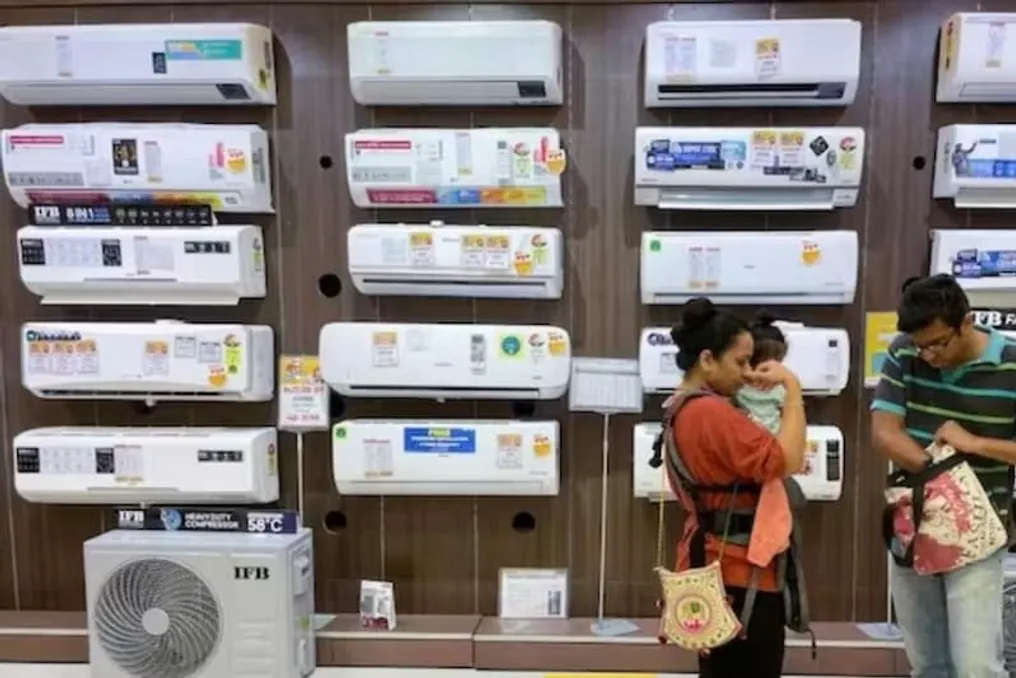
Reports indicate that prices for home electronics, including air conditioners, televisions, washing machines, and refrigerators, may rise again with the approach of the festive season in India. Forecasts suggest that starting October 1st, the cost of air conditioners will increase by 5–8 percent, while some manufacturers plan to raise prices on televisions, refrigerators, and washing machines by approximately 3–4 percent.
This increase would mark the third major wave of price revisions for durable goods this year. Previous increases occurred between January and February, as well as at the end of March and beginning of April.
A similar price adjustment is anticipated in the smartphone segment. A study by Counterpoint Research shows that the average retail price of smartphones in India has increased by 21 percent this year, which is the highest figure among major markets tracked by the company.
Rising Production Costs
The price hike is attributed to several factors, including the increased cost of raw materials and freight, as well as currency volatility driven by the ongoing crisis in the Middle East. For air conditioner manufacturers, copper is a critical factor. On average, one AC unit consumes about 3–4 kg of copper. According to PTI, copper prices rose from $8,000–$9,000 per ton last year to $14,500 per ton.
The broader metals market has also become more strained. The International Energy Agency reported that prices for aluminum, copper, and tin have risen by about a third between January 2025 and April 2026, with copper reaching record highs amid limited supply and sustained demand.
In addition to metals, prices for plastic and electronic components have increased, squeezing manufacturers' margins. According to PTI, Godrej Appliances noted that raw material prices have risen by 8–10 percent since the last review.
Rupee Volatility
The rupee has been under pressure throughout the year, depreciating by approximately 6.6 percent against the US dollar. The main reasons for this include higher global interest rates, oil prices, and geopolitical risks. On Monday, the rupee traded at around 95.95 rupees per dollar, compared to about 89.97 rupees on January 1st.
The weakening rupee can increase the import bill for key components. The impact of this factor on manufacturers depends on their procurement strategies, hedging, and the proportion of imported content. For example, if a component costs $100, the weaker rupee makes it more expensive in rupee terms, further affecting the final product cost, especially for electronics.
According to a NITI Aayog report published in May, India imported approximately 90–95 percent of its needs for semiconductors and electronic components in 2023.
Freight Adds Another Layer of Complexity
Shipping costs have also risen. Business Standard reported that freight expenses faced by durable goods manufacturers have more than doubled in the last 30–60 days, with delivery delays exceeding 15 days. Typhoons in Southeast Asia disrupted component supplies from China and Taiwan, while Red Sea shipping route issues increased transit times.
The conflict in the Middle East has also led to increased costs for transportation, insurance, and fuel. A Maersk market update for September indicated that the situation in the Middle East affects shipping services, cargo acceptance, and routing, with electronics being among the sectors driving demand for air freight in the Indian subcontinent.
Memory Shortage Affects Smartphones
Smartphones face a more global supply shock as they rely on components such as memory and data storage chips, processors, display panels, cameras, and batteries. The rapid expansion of AI infrastructure has intensified this shortage. AI servers and data centers consume large amounts of memory, diverting capacity from consumer devices.
Counterpoint Research estimates that global retail prices for smartphones grew by an average of 15 percent in 2026, compared to 21 percent in India. Over 40 percent of models tracked by the company experienced price increases, and new releases were, on average, 25 percent more expensive than their previous year counterparts.
Old Stock May Cushion the Blow
Manufacturers and distributors do not replace their entire stock instantaneously. According to PTI, Godrej Appliances has a supply chain that can last about 1–1.5 months, as dealers stocked products at old prices in August and September. Thus, sales during Diwali may be largely covered by this old stock at old prices, with new prices becoming more noticeable after Diwali.
Retailers can still sell goods purchased before the latest cost increase. They can also use bank cashback, promotional offers, discount schemes, or EMI plans to support sales.