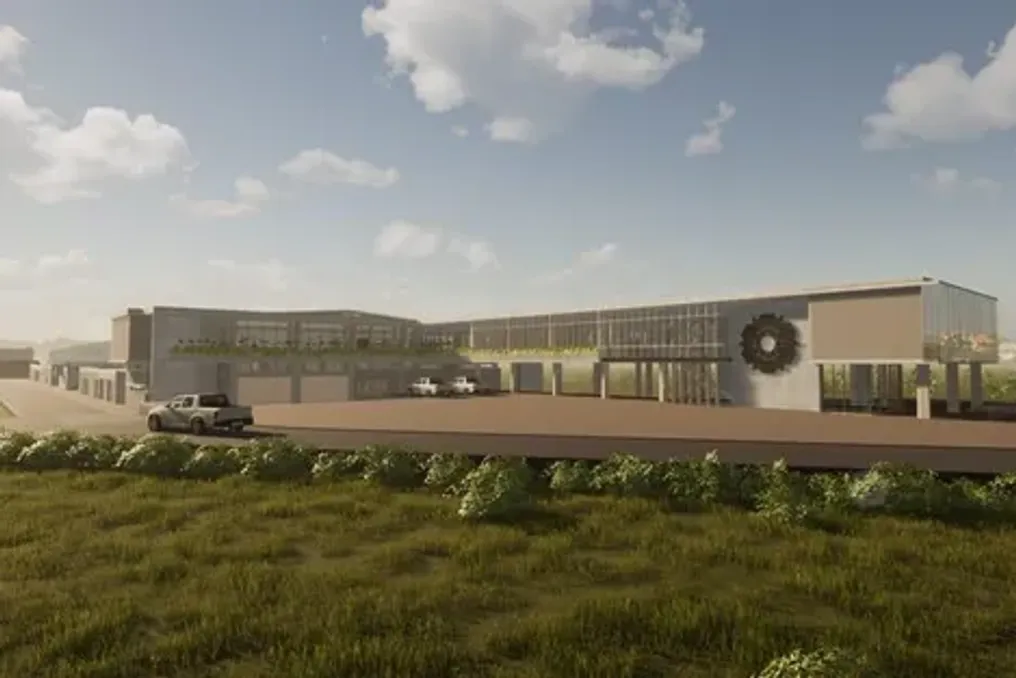
The City of Cape Town has initiated a two-stage tender process to attract a private partner to finance, construct, and operate the new Faure water reuse scheme. This scheme is expected to provide an additional up to 100 million litres of potable water daily.
The tender was published on Friday, September 25, 2026. Private companies interested in participating in the financing, design, construction, operation, and maintenance of the Faure scheme must submit their applications by February 26, 2027.
The project will be implemented under a Public-Private Partnership (PPP) model, which the City has described as a significant step towards securing a new source of drinking water. The procurement process will cover all stages: financing, design, construction, operation, and technical maintenance of FNWS.
The City Council fundamentally approved the use of the PPP model for the Faure project back in December 2025.
The City conducted a public participation process, and by December 2025, over 100 comments were received regarding both the Paarden Island area and the new Faure water scheme. These remarks were incorporated into the feasibility study reports, which were subsequently presented to the council for decision-making.
Zahid Badroodian, a member of the Water and Sanitation Mayoral Committee, noted that the commencement of the procurement process is a significant achievement in developing a new, reliable source of drinking water for Cape Town. He emphasized that the Faure scheme is part of a broader strategy to diversify water supply and strengthen the city's resilience as it grows. Furthermore, the PPP will attract the necessary investment and expertise to implement a project of this scale.
The City stated that the procurement for the Faure project will identify a private sector partner who will jointly with the City finance, design, construct, operate, and maintain the scheme.
The scheme will utilize advanced purification technologies to convert treated wastewater from the upgraded Sandvliet wastewater treatment plant into drinking water that meets South African and international quality standards. Upon commissioning, the scheme is expected to supply an additional 70 to 100 million litres of potable water per day, thereby enhancing Cape Town's water security.
The Sandvliet wastewater treatment plant, which began operations in 2019, currently produces up to 10 million litres of treated water per day. The new Faure project is one of several initiatives contributing to the City's goal of adding 300 million litres of drinking water per day from new sources by the mid-2030s.
Badroodian reported that the PPP procurement process will follow a two-stage competitive selection. The first stage is a Request for Qualifications (RFQ), inviting suitable consortia, investors, contractors, operators, and technology suppliers with relevant experience to demonstrate their technical capability to execute the project. Badroodian clarified that the RFQ will be used to assess the technical, financial, and operational competence of participants. Those who meet the requirements will be invited to the Request for Proposals (RFP) stage, scheduled for the second half of 2027.
He called on both local and international participants with experience in large-scale water supply, infrastructure, and PPP projects to review the procurement documentation and consider participation. Moreover, the PPP model does not involve the sale of City water assets or granting private operators the right to set water tariffs or manage water services independently.