The City of Cape Town has strongly urged residents to conserve water. The City has begun the process of seeking a private partner to implement the Faure New Water Scheme, which will add treated recycled water to the city's water supply system.
Despite reports that might have created the impression of imminent access to recycled water for citizens, the City of Cape Town clarifies its plans. The planned scheme will use advanced purification technologies to disinfect wastewater obtained at the modernized Zandvliet Wastewater Treatment Works.
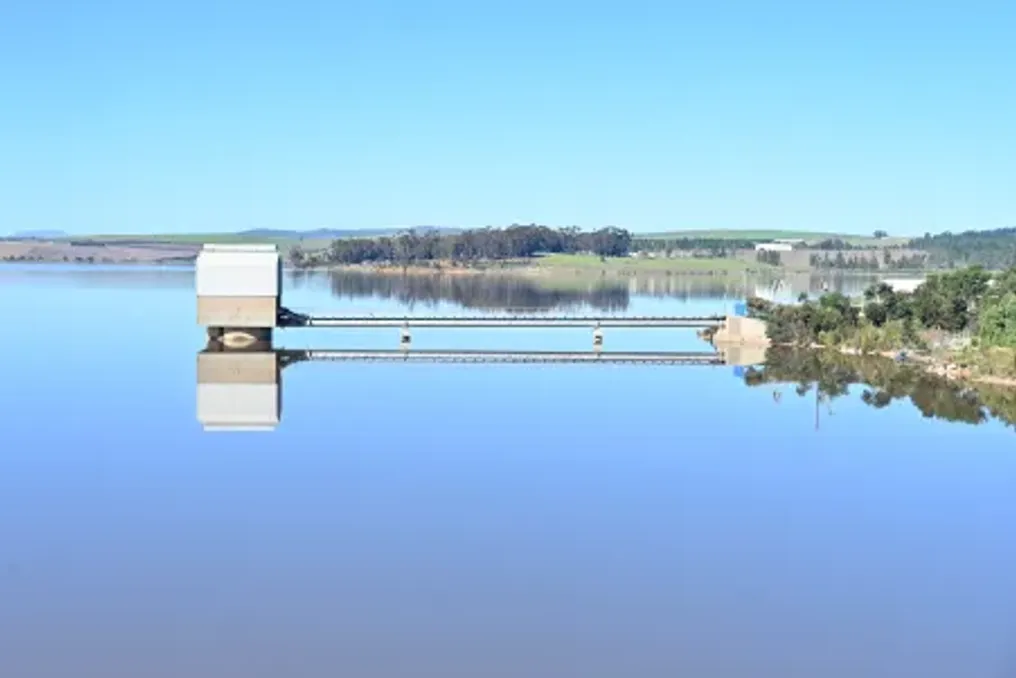
Subsequently, the treated water will be mixed with reservoir water and undergo further treatment at the Faure Water Treatment Plant before entering the city's drinking water network.
From Wastewater to Drinking Water
This project is part of the City's New Water Programme, aimed at diversifying Cape Town's water sources by creating additional sources less dependent on rainfall. The City aims to increase the daily volume of potable water from new sources by 300 million liters by the mid-2030s.
What is the process?
According to the City's feasibility study, the Faure New Water Scheme will draw water from existing and recently upgraded Zandvliet Wastewater Treatment Works. This treated wastewater is then directed to an advanced multi-stage water treatment facility at the Faure Water Treatment Plant. The City explains that the process involves reusing water through the Faure New Water Scheme, which will provide treated recycled water to supplement surface sources feeding the existing Faure Water Treatment Plant.
The treated water will subsequently be mixed with reservoir surface water, increasing the flow through the operational Faure Water Treatment Plant. The City's feasibility study indicates that the maximum proportion of treated recycled water is 33%, with the remainder being surface water.
What happens to the water after treatment?
The water produced by the advanced treatment plant will be mixed with reservoir water and then increase the volume of water entering the operational Faure Water Treatment Plant. This means that the treated recycled water does not bypass the City's existing treatment system but becomes part of the water entering this plant for further standard processing before being included in the city's drinking water supply.
Why does the City want to reuse wastewater?
In short, reliance solely on rainfall collected in reservoirs is unsustainable. The City states that its Water Strategy recognizes the need for a sufficient and reliable water supply from diverse sources, and Cape Town can no longer depend only on reservoir rainfall. Therefore, the Faure New Water Scheme is intended to diversify the city's water sources and expand its water supply capacity.
The scheme is designed to produce 100 million liters of treated recycled water daily, with an initial capacity of 70 million liters per day. The timeline for increasing the volume from the initial 70 million liters per day will depend on factors such as water demand and the availability of treated wastewater.
When will this happen?
The City announced on September 25, 2026, the start of the procurement process for financing, design, construction, operation, and maintenance of the Faure New Water Scheme. Procurement will begin with a request for qualifications, after which qualified participants will be invited to the tender stage scheduled for the second half of 2027. The project is being implemented under a public-private partnership, with the City noting that the private partner will finance, design, construct, operate, and maintain the scheme jointly with the City.
The City asserts that this scheme is intended to provide a new, reliable source of drinking water while helping Cape Town diversify its water supply and strengthen the city's resilience as it grows.