Global Competency Centers (GCCs) in India, which previously functioned as divisions of multinational corporations handling a full spectrum of tasks—from finance to engineering and customer support—were long viewed primarily as cost centers rather than technology-forming structures. However, this concept is becoming obsolete.
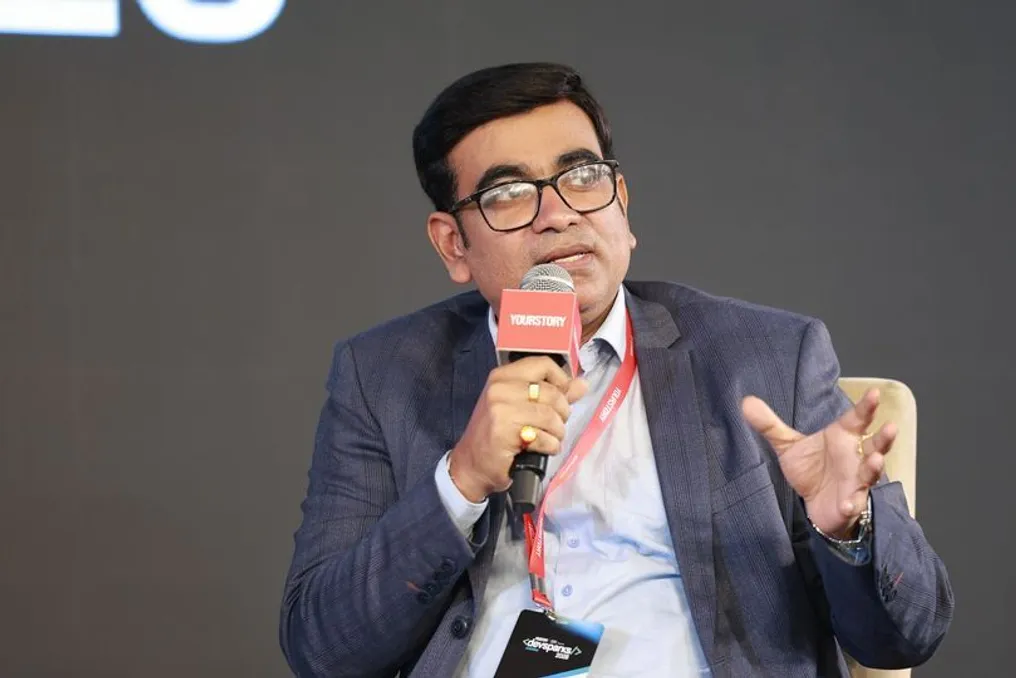
Quinn George, Head of AI and GCC, noted at the DevSparks Chennai 2026 conference that GCCs in India are transforming into nodal centers for developing products, platforms, and innovations, not just executing orders. His presentation, titled 'From Code to Business Impact: What Are GCCs in India Really Creating?', focused on the role of developers as the driving force behind these transformations and the requirements placed upon them.
George highlighted three main trends observed in GCCs. Firstly, automation: he estimates that 50–60% of GCCs are implementing automation for routine, high-volume operations, such as handling support service requests, which previously required constant human involvement. Secondly, it is a shift towards full ownership. Instead of creating a small part of a global product, some GCCs are now developing entire systems from start to finish, citing a GCC that is fully responsible for developing a credit management system for a banking client. Thirdly, there is an accelerated hiring of AI engineering specialists, although George admitted that for many organizations, it remains unclear what specific products should be created with these new teams.
A significant part of this activity is motivated by Fear of Missing Out (FOMO)—both among multinational companies competing to establish GCCs in India and among the GCCs themselves striving not to fall behind in the field of AI. This urgency has led to tangible results: George pointed to companies using two types of AI application scenarios—those that directly impact revenue and provide a visible return on investment, and those aimed at improving internal productivity.
George's main caution concerned a phenomenon he termed the 'pilot graveyard'—situations where hackathon wins and proven concepts are celebrated once and then never tested further. He stressed that it is crucial for GCC employees, when moving from idea to a finished solution, to consider long-term sustainability. In his view, this is the biggest gap.
He argued that an idea that looks convincing in a controlled pilot mode must still pass testing in real, live operation, as well as its ability to adapt to changing business needs and maintain user interest after the novelty wears off. A strong pilot does not guarantee long-term success.
George linked this problem to a common practice in GCCs: teams first develop a product they believe is correct and then try to sell it to the business. He believes this approach is backward. Instead, engineers should interact directly with business and client teams, identifying problems independently, rather than waiting for a formal technical specification.
The change in what GCCs create affects the requirements for developers. George noted that these developers do not have a single starting point and are divided into three generations. The first generation was trained on legacy systems like mainframes; the second underwent training in Java and similar languages; and the third, newer generation, is learning coding directly using AI tools. It is this third generation that concerns him, as he says these individuals may completely lose logical and systemic thinking.
He countered that what is passed from one technological shift to another is not mastery of any specific tool, but the fundamental ability to solve problems. Therefore, in George's opinion, simply knowing how to prompt an AI system correctly is insufficient. He illustrated this with an interview example for an AI architect position: after confidently executing a complex prompt, the candidate could not explain what was happening 'behind the scenes' of the system. For George, the gap between controlling a tool and understanding its principles distinguishes a true AI engineer from a developer who has merely learned to use AI well. Knowing code or being able to build an application with AI is not equivalent to being an AI engineer.
Regarding specific skills, George identified five areas that he predicts will be most important. The first is AI engineering itself, which requires a combined knowledge of product, process, business, and technical aspects, not just technical skills. The second is AI configuration engineering, which involves adapting large language models to specific organizational needs. The third is AI infrastructure, i.e., the systems on which these models run. Furthermore, he added that governance, risk, and compliance (GRC), as well as cybersecurity, are rapidly gaining momentum as AI adoption expands in GCCs and will take up an increasing share of hiring.
In conclusion, George warned about entry-level hiring. Since routine tasks are becoming increasingly automated, he estimated that only about 30% of engineering graduates are likely to secure strong positions in GCCs in the near future, and the rest will require significantly more thorough preparation, which must begin long before their first job, in order to be competitive.