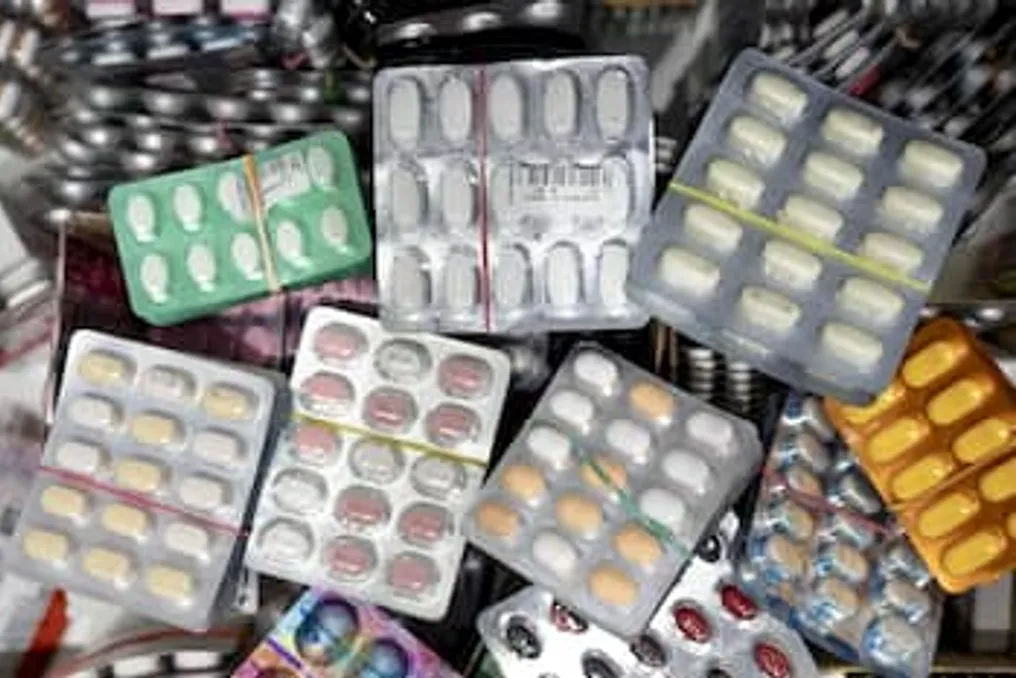
As of September 12, the US implemented a 100% tariff on certain patented pharmaceutical products and related ingredients, but specialized medicines from India may receive a zero duty rate.
The U.S. Department of Commerce, through the Bureau of Industry and Security (BIS), included India in a list of 20 jurisdictions eligible for zero customs clearance in a notice published in the Federal Register on September 23.
This exemption applies to a wide range of specialized pharmaceutical preparations. These include drugs for treating rare diseases classified as orphan indications, nuclear medicines using safe amounts of radioactive substances, plasma-containing therapies, fertility drugs, cell and gene therapies, and antibody-drug conjugates. Furthermore, the relief covers countermeasures against chemical, biological, radiological, and nuclear threats, as well as veterinary products. The exception also extends to components used in these products.
The zero duty rate is granted provided that the conditions set forth in the April presidential declaration are met. The Department of Commerce may apply the zero rate for specified categories if the product is manufactured in a jurisdiction with an existing or pending trade and security agreement with the US, or if it is deemed necessary to meet urgent US healthcare needs.
In addition to India, other eligible jurisdictions include Argentina, Bangladesh, Cambodia, Ecuador, Salvador, the European Union, Guatemala, Indonesia, Japan, Jordan, Malaysia, North Macedonia, South Korea, Switzerland, Liechtenstein, Taiwan, Thailand, the United Kingdom, and Vietnam.
Nevertheless, the 100% tariff applies to the specified patented pharmaceutical products and ingredients falling under the US tariff regime unless they are subject to other customs clearance or exemptions. The initial April presidential declaration introduced this duty under Section 232 of the U.S. Trade Expansion Act of 1962. Thus, the exemption is not a blanket waiver of duties for Indian pharmaceutical exports; patented drugs not falling into the zero-rate categories continue to be subject to the 100% tariff unless otherwise exempted.
However, a different approach is taken for generics. According to the Department of Commerce notice, generic pharmaceutical products and their components are not subject to Section 232 pharmaceutical tariffs. The Department also defines pharmaceutical products as finished drugs, active pharmaceutical ingredients, and key starting materials, excluding inactive ingredients and excipients.
Therefore, the 100% tariff primarily affects covered patented drugs and their corresponding ingredients, not generics. Companies with approved agreements to relocate production to the US may also be subject to different tariff regulations under the April declaration.
U.S. President Donald Trump announced the broader introduction of tariffs in April as part of efforts to stimulate pharmaceutical production in the US. It took effect on July 31 for companies covered by one appendix to the declaration and will apply starting September 29 to other companies under the Section 232 pharmaceutical tariff regime.