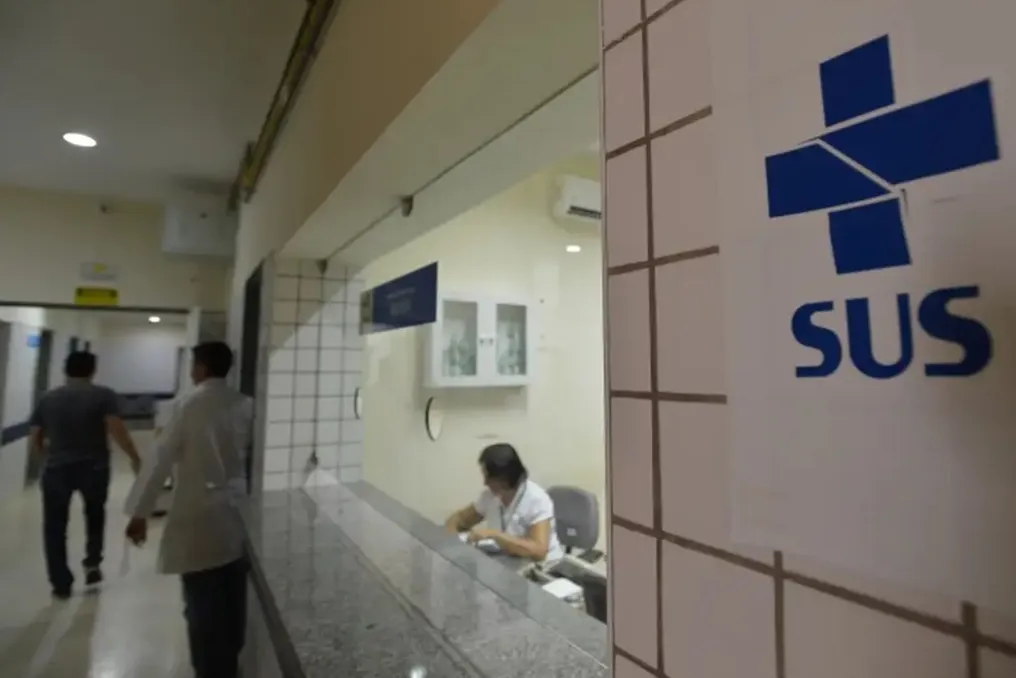
When planning trips, whether domestic or international, it is common for travelers to feel the effects of environmental changes, such as climatic alterations, dietary changes, or increased exposure to different epidemiological scenarios, which can impact health during the journey.
To prevent such problems, the Unified Health System (SUS) provides the Traveler's Health program, a completely free service throughout Brazilian territory, focused on preventive medicine.
This program aims not only at administering vaccines but also at reducing the risk of illnesses during travel, especially when the individual is far from their residence. In contexts of international travel, the initiative also helps prevent the introduction and spread of infectious diseases in the country.
The Traveler's Health service is intended for citizens with scheduled trips, both within Brazil and abroad. SUS recommends seeking care 30 days in advance or between 4 and 8 weeks before departure.
This lead time is crucial to ensure enough time for the immune response of vaccines; for example, the yellow fever vaccine must be administered at least 10 days before the flight. Appointments can be made through various means, depending on the unit, such as email, WhatsApp, phone, online forms, or in person.
During the consultation, the healthcare professional will analyze the travel itinerary, indicating and administering vaccines offered by SUS according to the destination, including those specific to measles, rubella, polio, diphtheria, tetanus, and rabies, in addition to yellow fever.
The doctor can also provide guidance on obtaining the International Certificate of Vaccination or Prophylaxis (CIVP), which attests to vaccination against yellow fever, and prescribe medications or suggest preparing a first aid kit, if necessary.
Additionally, instructions are provided on safe practices, such as hand hygiene, appropriate eating habits, precautions in rural tourism, vehicle safety, and the correct transport of prescribed medications.
Services available in various locations
Specialized care is available in several capitals and regions of the country, typically operating in university hospitals, institutes of infectology, and surveillance centers. It is essential to check the operating hours and required documents at each location, such as identification document, CPF, SUS Card, and proof of residence.
In Rio de Janeiro, for example, the service can be found at the Oswaldo Cruz Foundation (Fiocruz), located in Manguinhos, at the National Institute of Infectology Evandro Chagas, and at the Center for Health Information for Travelers (CIVES) of UFRJ.
In São Paulo, care is accessible at the Travel Medicine Outpatient Clinic of the Hospital das Clínicas of FMUSP, the Traveler's Unit of the Emílio Ribas Institute of Infectology, and the Traveler's Outpatient Clinic of UNIFESP, as well as at the Hospital das Clínicas of USP in Ribeirão Preto.
In the Federal District, in Brasília, the service is provided by the Traveler's Outpatient Clinic of the Regional Hospital of Asa Norte (HRAN).
For those in Recife, the traveler can seek assistance at the Traveler Orientation Center (COV) of Policlínica Lessa de Andrade, in the Madalena neighborhood. In Bahia, in Salvador, there is the Traveler Orientation Center of UFBA, located at the Professor Edgard Santos University Hospital Complex.
In Manaus, care is provided by the Traveler Orientation Center (COV) of the Amazon Health Surveillance Foundation, as well as at the Anvisa post at Manaus Airport.
Assistance is also available in Minas Gerais, Espírito Santo, Goiás, Ceará, Paraíba, Pará, Paraná, and Santa Catarina, with services established in Belo Horizonte, Vitória, Goiânia, Fortaleza, João Pessoa, Belém, Curitiba, and Florianópolis, respectively.
In other cities where dedicated outpatient clinics do not exist, such as Porto Alegre, the recommendation is to seek help at Basic Health Units, Family Clinics, and general public hospitals.