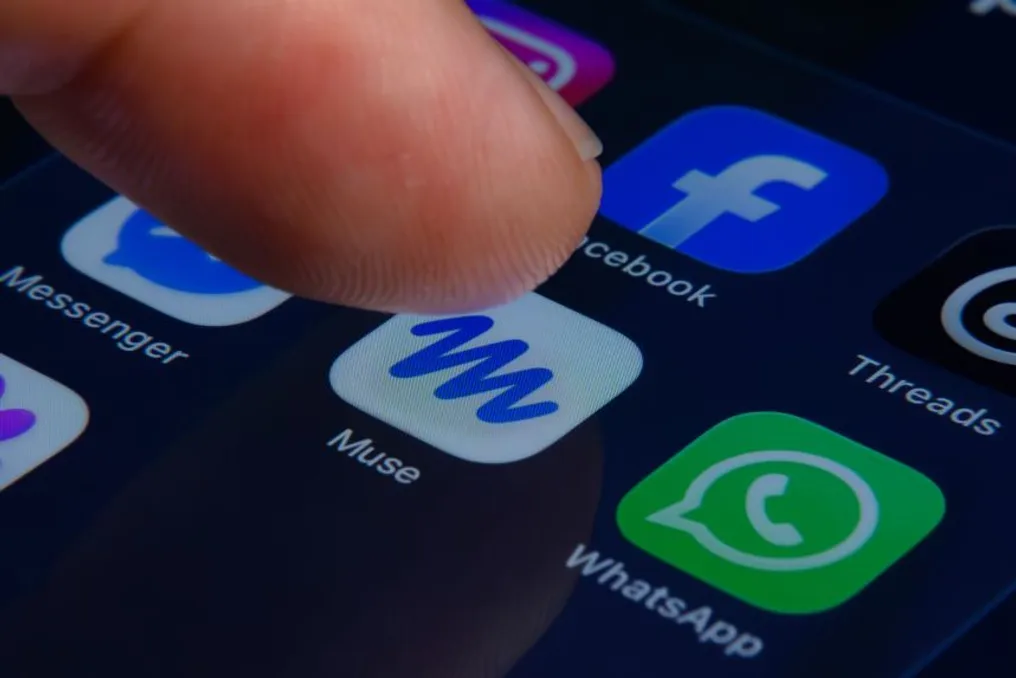
AI agents promise to take on a wide range of user tasks, but their implementation depends on the willingness of popular applications and services to provide them with the necessary access. These agents go beyond simply answering questions or generating images; they are capable of performing multi-step actions on the internet, such as price comparison, making purchases, booking, and filling out forms, provided the relevant companies grant permission.
This potential shift could trigger a new competitive battle in the online services sector. For instance, Amazon recently blocked access to its store for Meta's AI agent Muse, which some experts believe foreshadows a dilemma for online businesses.
If users begin actively using AI agents in daily life, companies will have to make an important decision: either cooperate with entities like Meta, risking the obsolescence of their platforms, or miss the opportunity to reach billions of customers through what could become the future of human interaction with services.
Following the announcement of new updates for its Muse agent, stocks of companies such as Airbnb, Expedia, and Trip Advisor dropped by approximately 5% last week.
The concept of AI agents is not new; Meta, OpenAI, Google, Apple, and Amazon have been working on this direction for several years, gradually implementing features similar to agent functionality. However, Muse quickly gained popularity, ranking first in the free apps list on the Apple App Store just 10 days after its debut on September 8th. The agent's success is largely attributed to Meta's extensive presence on the internet, owning Instagram, Facebook, and WhatsApp, as well as the application's relatively simple interface.
According to Francisco Heronimo, an analyst at the International Market Research Corporation, Meta has demonstrated the capabilities of Muse to consumers better than other tech giants. He noted: 'Others haven't talked as loudly about using agents for shopping as Meta did with Muse, and I think that's the main difference.'
Meta has formed partnerships with Walmart, GameStop, Sephora, Expedia, OpenTable, and Shopify to integrate its services into the Muse app. Nevertheless, e-commerce giant Amazon refused to cooperate with Meta. Amazon blocked the agent, stating that there was no notification or choice regarding the availability of its store through Muse. The company also expressed concerns about the handling of data and Amazon account credentials, noting that agents do not provide personalized Amazon recommendations.
In a statement addressed to CNN, Amazon said: 'We consider it quite obvious that third-party applications offering to make purchases on behalf of customers in other companies should operate openly and respect the service providers' decisions on whether or not to participate.' Similarly, the online restaurant booking platform Resy informed CNN that it 'currently does not allow unauthorized third-party bots or agents' access to its services. The platform blocked a user's account after attempts by their AI agent, a helper named Instinct, to book hundreds of tables per hour earlier this month.
Resy warned: 'Unauthorized automated activity can create risks for the platform and disrupt a fair booking experience for visitors.' Meanwhile, CNN managed to book a table through Muse by providing credentials such as a phone number and confirmation code. Resy integrates with ChatGPT and Claude and stated that it will 'continue to evaluate the possibilities' as AI agents develop.
Although Amazon may be an exception, some experts believe that AI agents pose real risks that could cause many online service providers to hesitate before allowing agents to use their platforms. Firstly, there is a possibility of reduced web traffic if tasks are predominantly solved through AI agent applications. Furthermore, brands may lose the ability to study customer purchasing habits or attract users to additional purchases through in-app promotions or product recommendations.
Mandeep Singh, a senior industry analyst at Bloomberg Intelligence, noted: 'You browse Amazon looking for something you need, but then you also see other things that you know you can buy.'
Moreover, Meta CEO Mark Zuckerberg announced on Wednesday that the company plans to eventually charge a commission for transactions made through Muse. This means that other companies may lose part of their sales.
The impact may not only affect stores and booking apps. AI agents excel at research-intensive tasks, such as comparing insurance policies or mobile operator plans. This could potentially make it easier for users to switch tariffs to obtain more favorable conditions.
However, the potential benefit could also be enormous. According to market intelligence firm Sensor Tower, Muse has already been downloaded over 2.5 million times, providing businesses visibility among millions of people worldwide. This could make Muse particularly attractive to small and medium-sized brands, such as those operating on Shopify.
Katrin Heinz, Vice President of Enterprise and AI Alliances at Expedia, told CNN that this was part of the appeal for the Expedia travel platform, as it aims to 'be where travelers are searching.' She added that about two-thirds of Expedia's traffic comes through its own platforms.
Some may view this as a step toward securing the future of their business. Heronimo from International Data Corporation believes: 'I think in the long run we will see exactly this: AI platforms will become the layer and primary interface for most of us when we shop.'