For over two decades, Iraq's oil wealth has passed through a financial system centered in New York. This scheme was established after the US-led invasion of Iraq in 2003. Initially, its goal was to protect Iraqi oil revenues from creditors and facilitate the country's recovery.
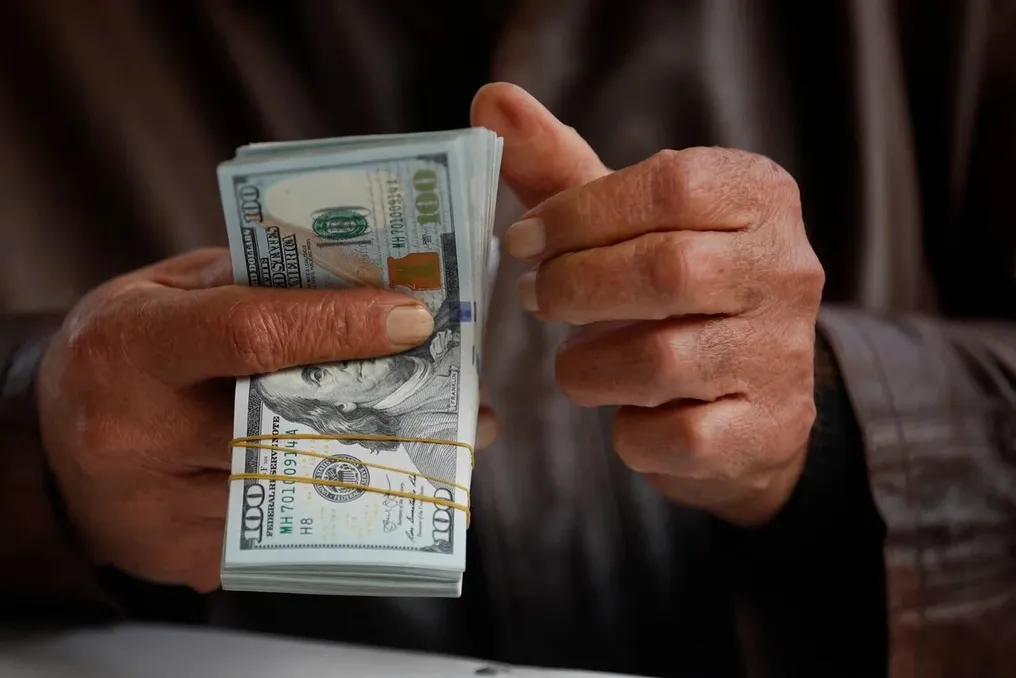
Today, this system grants Washington significant influence over Iraq's access to its own dollars. The US increasingly uses this leverage to pressure Baghdad, demanding limitations on Iranian influence and the activities of armed groups linked to Tehran. The situation escalated in April when Washington blocked the transfer of approximately $500 million in cash to Iraq, demanding that the government take action against Iran-backed armed groups.
Moen al-Kadimi, a former member of the parliamentary finance committee, condemned this decision, calling for the government to end what he termed US dominance over Iraqi funds. Al-Kadimi stated: 'The US decision to freeze or delay the transfer of Iraqi currency payments constitutes a serious violation of the financial and political sovereignty of the Iraqi state.'
Although this party was later reinstated, the incident demonstrated how Iraq's dependence on the US financial system can be used for political purposes. The scheme began after the US-led invasion in May 2003, when the Provisional Coalition Authority established the Iraq Development Fund (DFI) to collect the country's oil revenues and use them for reconstruction and humanitarian needs.
Under UN Security Council Resolution 1483, adopted in May 2003, Iraqi oil and gas revenues were transferred to a special account at the Central Bank of Iraq within the US Federal Reserve. Five percent of the revenue was retained as compensation to Kuwait for the 1990 invasion of Iraq. The system also included frozen assets of the former Saddam Hussein regime and surplus funds from the UN's 'Oil-for-Food' program.
This arrangement was partly intended to protect Iraqi assets from international creditors making claims dating back to the Saddam era. An International Advisory and Monitoring Council was created to oversee the fund, comprising representatives from the UN, IMF, World Bank, and the Arab Fund for Economic and Social Development. The UN-supported system concluded in 2011 at the request of the Iraqi government, but Iraq's oil revenues remained tied to the Federal Reserve.
A new account, known as IRAQ2, was opened at the New York Federal Reserve. Oil revenues are first deposited there and then transferred to the Central Bank of Iraq. Simultaneously, Iraq lost the comprehensive international protection previously provided under the UN system and became dependent on annual US executive orders guaranteeing the immunity of its sovereign funds. Thus, although the formal international agreement has changed, the fundamental dependence on the US financial system persists.