The Indian parliament introduced changes to the transgender law, imposing penalties for forcing an individual to adopt a transgender identity through surgical, chemical, or hormonal procedures. These changes have created significant uncertainty for thousands of people seeking safe medical care.
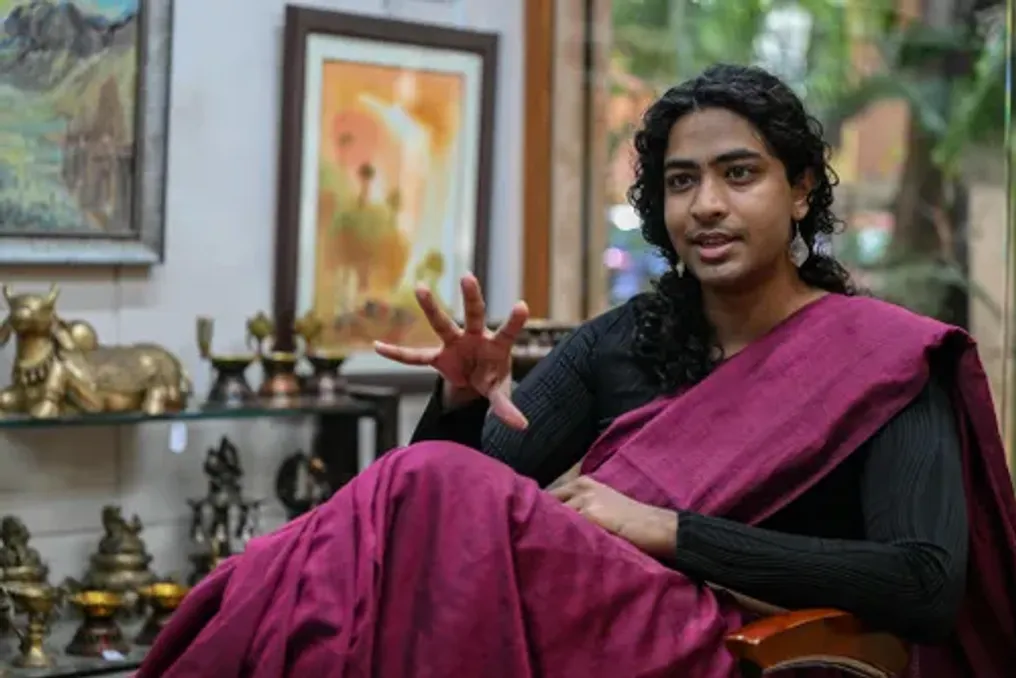
Kali Siddharth Medepalli, a transgender woman who began hormone replacement therapy in India, expected to complete her medical transition and undergo surgery within a year. However, just a few months after starting treatment this year, the Indian parliament amended the law, and the clinic where she was receiving care stopped issuing her medication.
Kali, a 23-year-old communications specialist and LGBTQ+ rights activist, reported in the southern city of Hyderabad that 'everything has stopped.' She endured 10 days without testosterone blockers, experiencing chills and body aches.
Authorities claim that these amendments aim to strengthen the protection of vulnerable groups by tightening penalties for exploitation, forced identity change, and human trafficking. The government emphasized that it is not criminalizing voluntary, medically supervised treatment, but activists and doctors believe the amendment has generated doubt.
Vijayanti Vasant Mogli, a transgender rights activist and member of the Supreme Court's advisory committee on transgender welfare, noted that 'the healthcare system is now very fearful.' She added that the lack of clarity could 'deter even those with the best intentions for trans individuals.'
Kali was subsequently able to obtain her medications using an old prescription but was forced to self-medicate. According to her, 'ideally, a doctor should be doing this.'
Sanjay Sharma, head of the Transgender Health Association in India, pointed out that this case illustrates the dilemma faced by transgender individuals seeking safe medical care. Doctors are faced with a choice: continuing treatment may expose them to legal risks, but refusing care contradicts their medical obligations.
Some private clinics continue to provide treatment but are taking extra precautions, including obtaining additional documentation, consents, and increasing service costs for patients. Sharma stated that 'private clinics will now provide help, but they will be defended by lawyers.'
People without supportive families, regular doctors, or funds for private treatment are particularly affected. Meghna Kulkarni from Mumbai, who supports her child's transition, said the amendment 'immediately raised red flags,' but due to having a support network, their situation differed from others.
There is no precise data on the number of transgender individuals receiving gender-affirming care in India, which complicates assessing the scale of the violation. Although the official 2011 Indian census recorded about 488,000 transgender persons, human rights groups and experts suggest the actual population is between five and six million.
The uncertainty related to the amendment also affects the certification of transgender identity. Bhukya Ahilya, 21, who transitioned in 2025, wishes to find permanent employment but finds it difficult to update documents that still list her as male. Currently, she is forced to survive by begging at traffic lights.
'Everyone wants me to move on from this life,' she said. 'But when I want to move forward, when I want to earn a decent living, they do not issue me a transgender card.'
The government website for applying for a transgender identity card—the first step toward changing other key documents—has been non-functional since the amendment came into force. The amendment added an extra layer of verification to the process: certification now requires a recommendation from an appointed medical council, after which a magistrate may issue the certificate.
The amendment is being challenged in the Supreme Court. Plaintiffs cite constitutional guarantees, including dignity, autonomy, and privacy, as well as the right to self-identification. AFP contacted the Ministry of Social Justice and Empowerment for clarification regarding the amendment, its rules, and the ID portal but received no response.