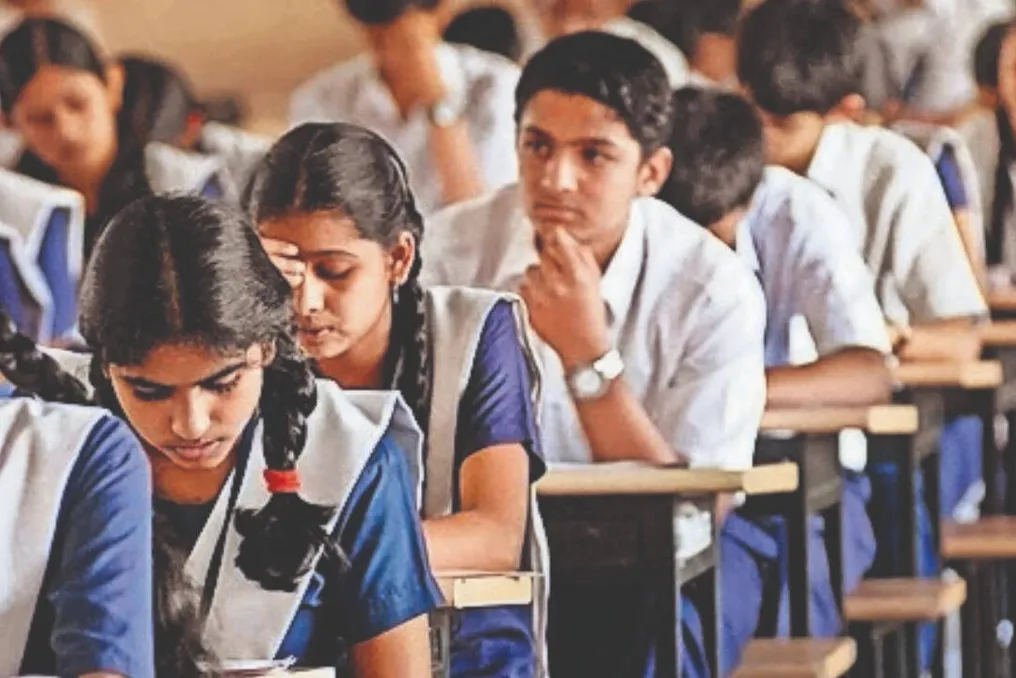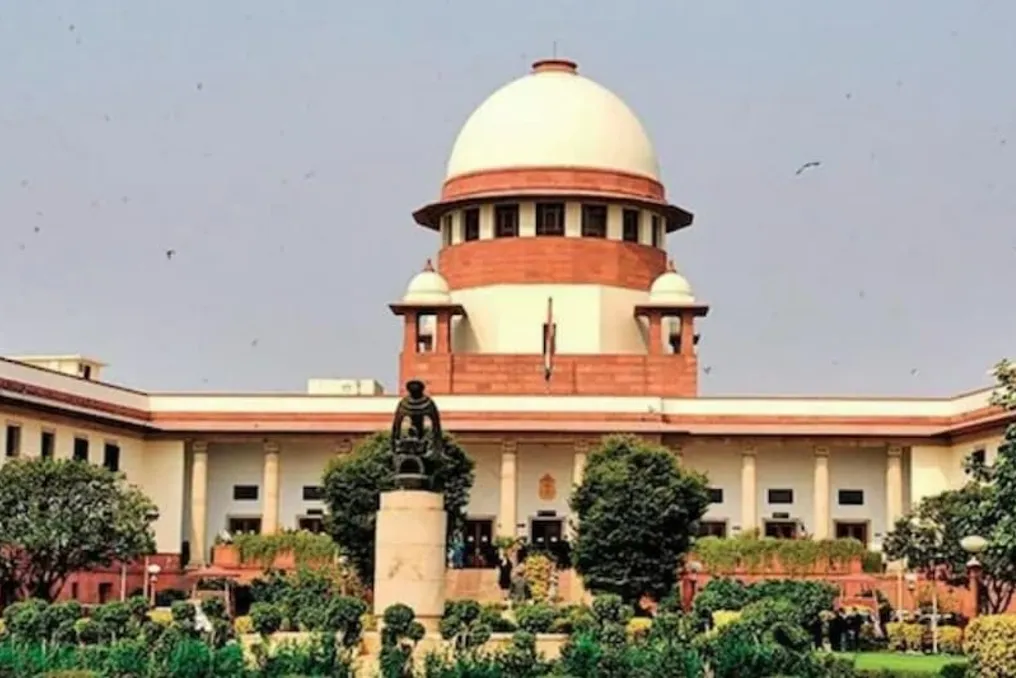
The dispute surrounding the CBSE three-language policy reached the Supreme Court. Concerns arose among some students regarding the necessity of changing the language of instruction along with the introduction of new subjects and textbooks when they transition to the 6th grade. The Court provided significant relief to current sixth graders by ruling that they should receive the same exemption from this policy as seventh-grade students.
The conflict began when the three-language system was introduced in the 6th grade, starting from the 2026-27 academic year. Many schools and plaintiffs pointed out that some students were already studying other languages, and a sudden language change mid-way through a new academic year could cause them difficulties. The Court noted this issue during the hearings.
The government reported that the necessary conditions for implementing the third language policy are ready in approximately 99% of schools, while about 1.2% of schools still face challenges. Despite this, the Court ordered that current sixth graders be granted concessions similar to those provided to seventh graders.
The new CBSE system is linked to teaching three languages under the National Education Policy and the National Curriculum. In the 6th grade, the three-language system is introduced for students using codes R1, R2, and R3. CBSE directives stipulate the inclusion of at least two Indian languages. Disputes arose when this system was applied to current sixth graders in the new academic year. Plaintiffs argued that many children have been studying their preferred languages since the fourth grade, and a sharp language shift in the 6th grade could cause them problems.
The Court had previously expressed concern over this matter. Earlier, the Supreme Court had suggested considering providing relief to current sixth graders. In September, the Court asked CBSE whether sixth graders could receive any concessions for the current academic year. The Court was worried that children and their families might face difficulties due to the new system mid-year. Following the September 17 hearing, the Court recommended considering the implementation of the three-language policy in the 6th grade starting from the next academic year, emphasizing that children should be given enough time to adapt.
During the hearings, Attorney General Tushar Mehta informed the Court that the government had discussed the issue in detail and did not support exempting current sixth graders this year. The government also noted that the necessary infrastructure for implementing the three-language policy is ready in approximately 99% of schools. According to the government, only about 1.2% of more than 2800 schools have issues with this system. Nevertheless, the Court focused on ensuring that students whose system has already changed do not face unnecessary difficulties.
During the hearings, Chief Justice Yuryakant proposed forming a committee of senior officials to communicate with the schools and plaintiffs who expressed concerns about this system. Senior Advocate Gopal Shankaranayan stated that the committee was no longer necessary and that a clear decision should be made on this matter. Judge Joymalya Bagchi noted that the Court wishes to ensure convenience for children, not put them in a difficult position, and ruled that current sixth graders should receive the same support as seventh graders.
According to the latest Supreme Court order, current sixth graders will receive the same exemption as seventh graders. This does not mean the abolition of the three-language policy; the relief applies exclusively to the current group of sixth graders. The Court also clarified that further hearings on the new system may take place from April 1, 2027, giving children time to adapt instead of forcing them to switch abruptly to the new system mid-year.
The issue of textbooks was also raised. The government stated that books are available, but plaintiffs pointed out the difference between online availability and the presence of physical copies for children. CBSE announced in its official May that it plans to host R3 textbooks on the NCERT and CBSE websites. Schools were allowed to use SCERT textbooks or state-recognized materials for languages requiring separate organization.
The Court scheduled a follow-up hearing in six weeks. According to the order, the concerned party must file a response within four weeks, followed by a reply within two weeks. Currently, the greatest relief has been granted to the current sixth graders.