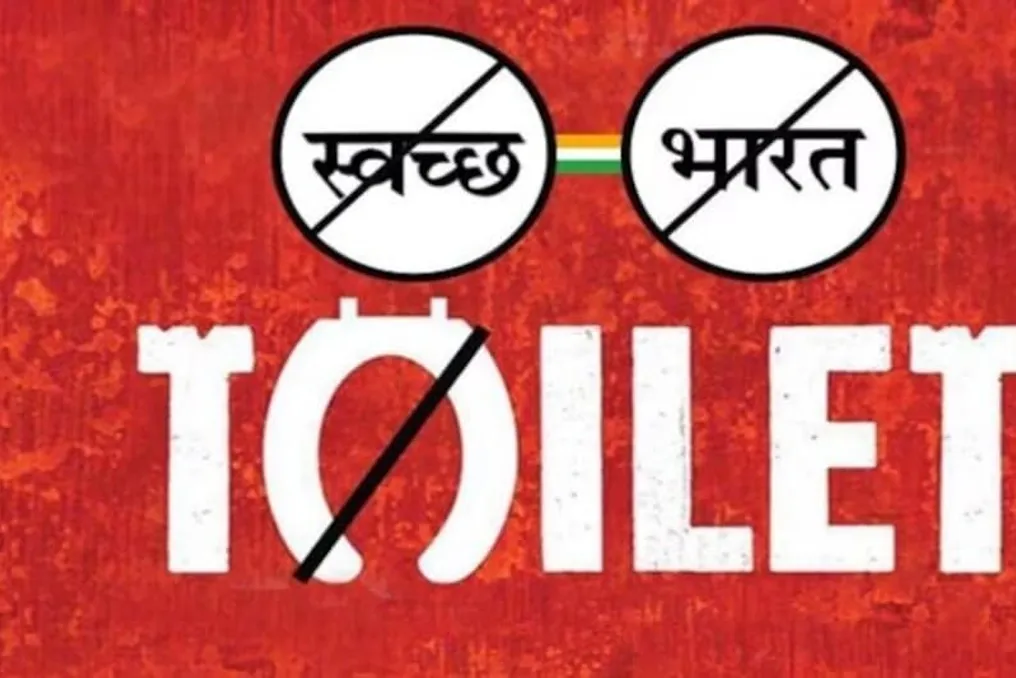
The Uttar Pradesh (UP) government's initiative aims to improve sanitation conditions in rural areas, shifting from an initial focus on eliminating open defecation to emphasizing solid and liquid waste management.
The 'Swachh Bharat Mission - Gramin' (SBM-G) program is an Indian Government project implemented with the support of state bodies to enhance cleanliness and hygiene in rural regions. This mission launched on October 2, 2014, and its primary objective in the initial phase was to eradicate open defecation through toilet construction, behavioral change, and community involvement.
In the second phase of SBM-G, attention has been directed not only towards maintaining the status of Open Defecation Free (ODF) villages but also towards implementing solid and liquid waste management systems in these villages. The program's goal is to ensure access to sanitary facilities for all and develop a sustainable sanitation system in rural areas.
Implementation of SBM-G in Uttar Pradesh
In Uttar Pradesh, the implementation of SBM-G is carried out through the system of rural hygiene and Panchayati Raj institutions, where municipal councils play a key role in maintaining sanitary facilities and safe waste handling.
According to a UP government publication for 2025, the state was declared completely Open Defecation Free (ODF) under SBM-G. The same report indicates that 95,767 villages achieved ODF status through the introduction of solid and liquid waste management systems. Furthermore, in the first phase of the mission in UP, 26.8 million individual household toilets were constructed, as well as public toilets in villages.
Focusing on ODF Plus
With the start of the second phase, the program went beyond merely ensuring the availability of toilets. Now, in addition to maintaining ODF status, attention is being paid to solid waste management, greywater management, and overall sanitation in villages.
According to the official SBM-G bulletin published in January 2025, as of the December 2024 review, 98% of UP villages had ODF Plus status, and over one hundred thousand staff members were trained to implement SBM-G in the state. Thus, the efforts under SBM-G are focused not only on providing sanitary facilities but also on preserving hygienic behavior, developing scientific methods for managing solid and liquid waste in villages, and creating conditions for a clean rural environment.
Overall, SBM-G in Uttar Pradesh is working to elevate rural hygiene beyond basic toilet amenities, strengthening the maintenance of open defecation-free behavior and developing solid and liquid waste management at the village level.