Recent archaeological analysis suggests that the first woman to rule Ancient Egypt with the authority of a pharaoh may have held this position 5000 years ago. This ruler, named Meretneith, was a historical figure whose role in political power significantly exceeded the traditional expectations of her era.
The study, published in the journal Prague Egyptological Studies, provided unprecedented details about this leader's life. Sobekneferu was usually considered the oldest queen to rule nearly 4000 years ago. However, new discoveries indicate that Meretneith took full control of Egyptian civilization more than a thousand years before her successor, thereby altering the official chronology.
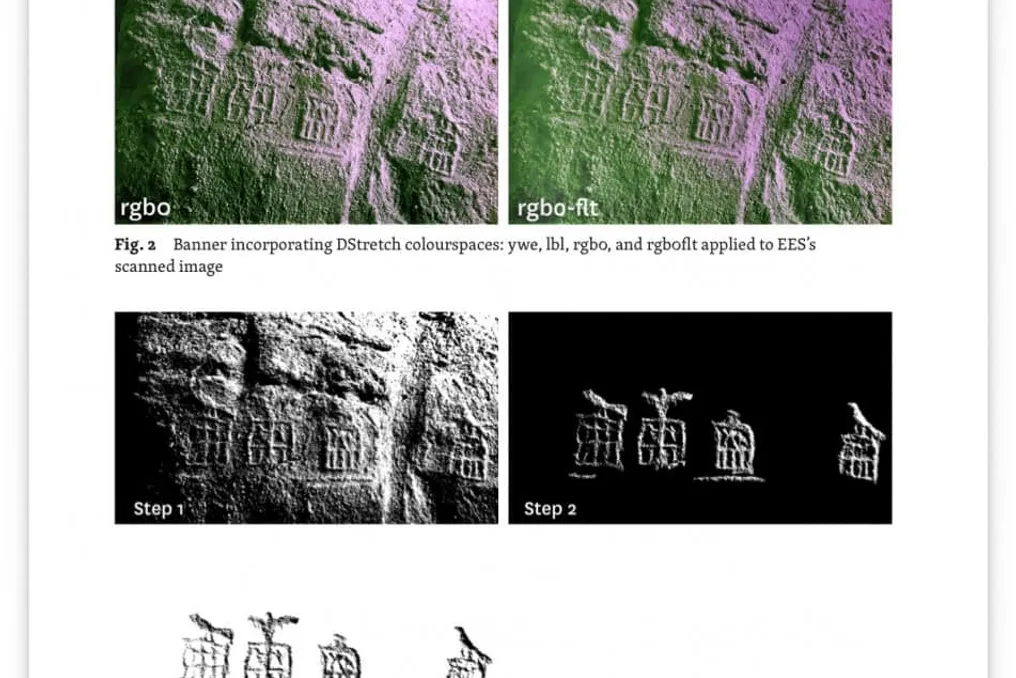
To confirm Meretneith's royal status, researchers from the Czech Republic and Romania used advanced digital imaging technology. Specialists were able to identify the ruler's name on ancient royal seals by isolating and inverting colors and converting photographs into high-contrast graphics. These seals were found on clay lids in the Saqqara necropolis.
The presence of these official impressions indicates that the queen possessed power comparable to that of a male monarch. In Ancient Egypt, royal seals were exclusive symbols of those who held supreme sovereign authority. Thanks to this discovery, Meretneith is established as the second woman of the First Dynasty whose name was officially registered in the state symbols of Egypt.
Other archaeological findings underscore the historical significance and sovereignty of this ruler. Meretneith's tomb in the Abydos necropolis has dimensions and structure typical of a royal ruler. Hundreds of wine vessels, engraved monuments, and dozens of auxiliary chambers intended for the burial of her servants were discovered there, demonstrating her high status.
Historical data shows that Meretneith remained in the political elite for about 30 years. Her path began as a co-ruler alongside Pharaoh Djer, who was presumably her father. Later, she led the country as regent during her son's childhood, maintaining full administrative control over the Kingdom's state finances.
Unlike male leaders, the queen adapted her political activities according to the needs of the state. Respect for her legacy survived even after her death, and she is mentioned in the records of subsequent rulers. This flexibility allowed her to exercise long-term and decisive power over the Royal Treasury and the leadership of the ancient empire's officials.
The research confirms that Meretneith's role went far beyond being a king's mother. Her ability to manage crises and lead Egyptian society during transitional periods turned her history into a landmark event. Thus, Ancient Egypt gains a new and important chapter on female participation at the apex of state power.