In the first ODI match between India and West Indies, held in Tiruvannataruppu, the West Indies team batted first and scored 295 runs, losing seven wickets in 50 overs. Although the West Indies at one point approached the 350 mark, Indian bowlers managed to restrict their score to below 300.
At the beginning of the game, it seemed that the West Indies could score a very high total. Opening batsmen Justin Griffin and John Campbell demonstrated an impressive start, building a record partnership of 135 runs for the first wicket.
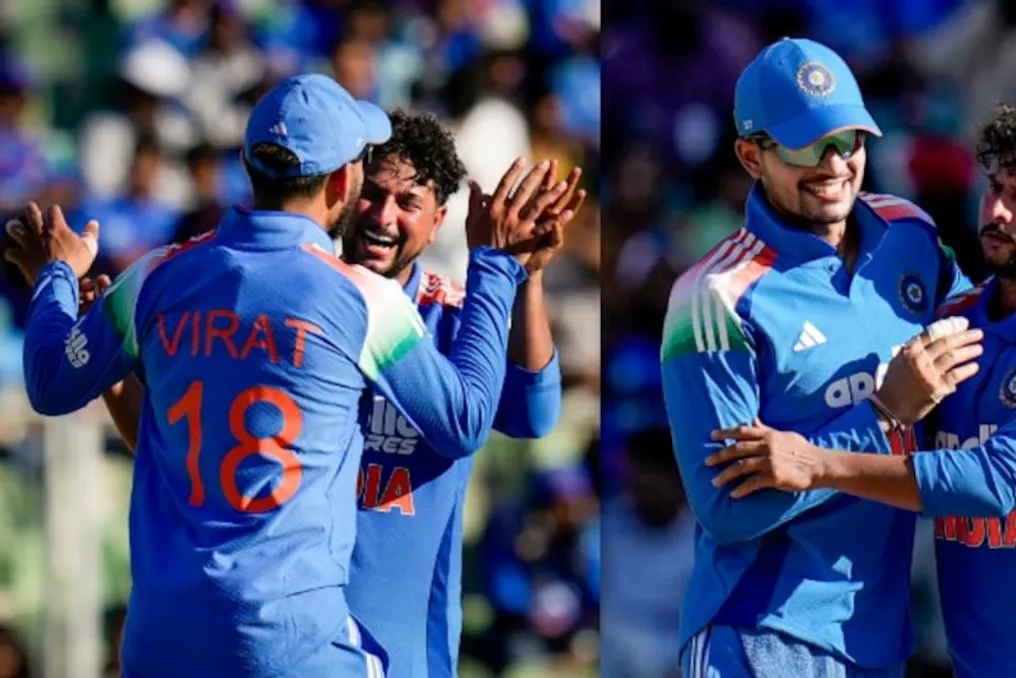
However, then the magic of spinner Kuldeep Yadav began to take effect on the field, who single-handedly undermined the West Indies' attack. Kuldeep trapped the batsmen in his spin trap, taking four crucial wickets in just 10 overs while conceding only 40 runs. The other bowlers faced serious difficulties in maintaining the pace.
Justin Griffin was in excellent form and was close to completing his century. In the 36th over of the match, Kuldeep Yadav bowled a highly deceptive ball. Griffin attempted to play it with a swing, but missed, and the ball hit him directly on the back of the leg.
India made a strong appeal, but the field umpire ruled that the player was not out. Kuldeep, dissatisfied with the umpire's decision, was convinced that the batsman was out. He immediately convinced captain Subhman Gill to request a video review (DRS).
When time expired, Gill activated the review function, and everyone was surprised by the result: three red indicators lit up, and Griffin was forced to leave the field without completing his century. This wicket once again turned the tide of the match in favor of India.
In the last over of the West Indies' innings, Nitish was responsible for the deliveries. From the very first ball, Nitish dismissed Fort, who was easily caught by a fielder positioned deep square leg. After this, Nitish continued to bowl five consecutive excellent balls, preventing Gudakesh Motie from attacking freely.