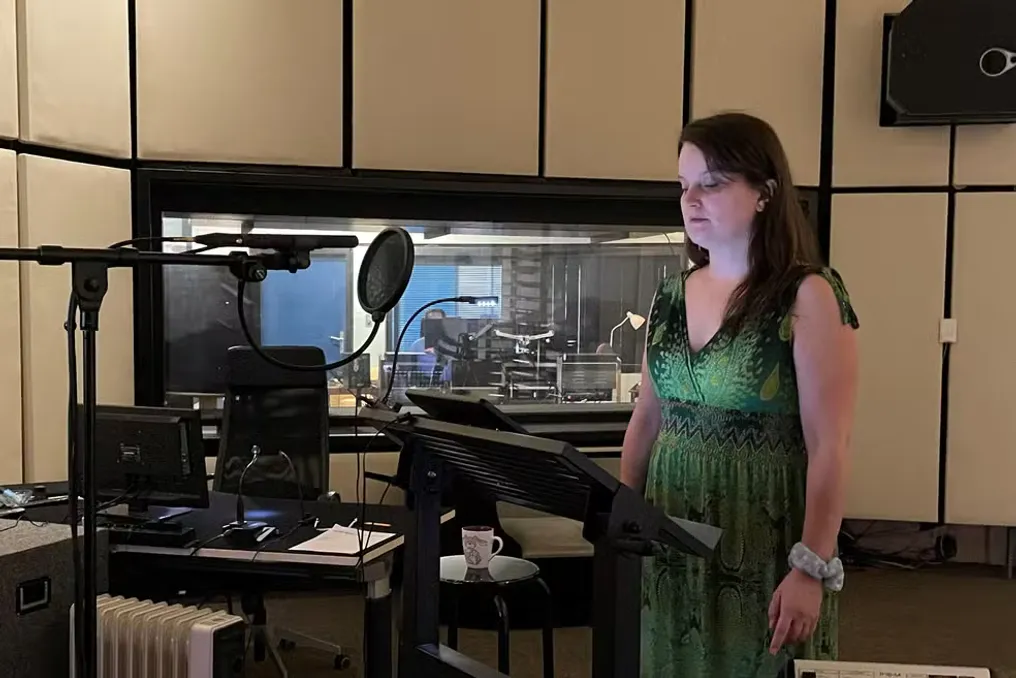
After almost a year of stoppage, voice actors and motion capture professionals in the video game industry managed to establish new guidelines for the industry's use of artificial intelligence.
SAG-AFTRA sanctioned a new pact with major companies in the segment, ending an eleven-month strike that had generative AI as one of the central focuses of the conflict. This contract covers companies such as Activision, Electronic Arts, Epic Games, Insomniac Games, Take-Two, and WB Games.
The agreement was endorsed by 95.04% of voting members and institutes specific safeguards to prevent the voice, appearance, or performance of a professional from being replicated by AI without clearly defined rules.
A crucial aspect addressed is the use of so-called digital replicas, which are versions artificially created from an individual's image, voice, or performance. The new contract imposes consent and transparency requirements for the use of these replicas. Furthermore, professionals gain the right to suspend permission for the creation of new materials during a strike period.
This last point was of extreme relevance during negotiations. The union's main concern was that a company could employ a digital version of an actor to continue content production while there was a stoppage, effectively functioning as a virtual substitute for that worker. According to Sarah Elmaleh, president of the agreement's negotiation committee, reaching a resolution on this issue was decisive for the end of the strike.
The agreement also includes significant financial changes. Professionals' remuneration received an accumulated increase of 15.17% upon ratification, plus extra adjustments of 3% scheduled for November 2025, November 2026, and November 2027. There was also an expansion of health and retirement contributions, along with the implementation of new safety measures for workers.
For SAG-AFTRA, this result definitively aligns the video game industry with the standards that Hollywood began to establish for the use of artificial intelligence in cinema and television. The union argues that informed consent and equitable remuneration must be maintained even when technologies allow for the digital reproduction of an actor's work.
With characters increasingly conceived through facial, bodily, and vocal capture, the discussion raises an important question for the coming years: what is the limit of digital use that a studio can exercise over a person's performance after they have left the company?