Deputies call on government to allocate real funding for declaring gender-based violence a national catastrophe
Read more
IOL
iol.co.za

Deputies call on government to allocate real funding for declaring gender-based violence a national catastrophe

Members of parliament insist that the government reclassify gender-based violence and femicide (GBVF) as a national catastrophe, utilizing the disaster management law section which would allow for the release of emergency funding from the National Treasury.

Leesle van der Merwe, chairperson of the Portfolio Committee on Women, Youth and Persons with Disabilities, stated that declaring GBVF a national catastrophe in 2025 created false hope among citizens. She and other deputies are appealing to the government to change the classification of GBVF.

This appeal came a week after several women were found murdered and sexually assaulted in Ekurhuleni. The parliamentary committee on women, youth and persons with disabilities noted that the GBVF crisis is worsening despite its declaration as a national catastrophe last year.

Deputies from all political parties suggested that the declaration or classification of the disaster itself lacked 'teeth' and was merely a formality without allocated funding. Committee chairperson Leesle van der Merwe emphasized the importance of targeted funding for implementing the national strategic plan and national catastrophe, urging the National Treasury and the government to ensure the allocation of necessary funds.

In November last year, the government classified GBVF as a national catastrophe under Section 23 of the Disaster Management Act. This allowed government departments to reallocate existing funds, strengthen coordination across government spheres, and ensure a structured response through established disaster management mechanisms, including the interdepartmental committee NATJOINTS.

At the time, Minister of Cooperative Governance and Traditional Affairs Velenkosini Hlabisa stated that this classification required all state organs to strengthen support for existing GBVF response structures, fully implement contingency plans, and activate all necessary mechanisms for effective disaster management by the national executive organ.

The classification followed pressure from civil society groups who organized nationwide protests against GBVF. In an urgent meeting with the departments for women, youth and persons with disabilities, social development, and the Gender Equality Commission (CGE), deputies noted that the national catastrophe classification had not led to tangible improvements for affected communities.

The CGE supported the deputies' concerns, and one of its commissioners, Princess Eurika Mogane, explained that the government decided to classify GBVF using a section of the Act that falls within existing budgets. In contrast, Section 27, applied to natural disasters such as floods and Covid-19, allows bypassing bureaucratic inertia and releases funding and executive powers.

Requests to the South African GBV Command Centre sharply increased to 589 in a single day in September due to a sharp rise in demand for support.

Leesle van der Merwe stated that the impact of this classification is now becoming evident, and it is important to understand which sections of the law were utilized, as this plays a major role. Shock Tshabalala, Deputy Director-General of the Department of Women, Youth and Persons with Disabilities, confirmed that the classification received no funding and only required the reallocation of budgets from existing departmental baselines.

She added that the working group was studying the best way to mobilize resources independent of financial space. Tshabalala noted that the response to the national GBVF crisis remained largely unfunded, with limited targeted funding for implementation. 'Baseline budget projections show significant gaps,' she said.

In response to the deputies' concerns, Tshabalala reported that at the time of the classification, the government was facing 'financial constraints.' She explained that they had to act collectively, and therefore, budget reallocation was the best option the government could consider at that moment to continue this work.

Speaking after the meeting, Van der Merwe reiterated that declaring GBVF a national catastrophe gave people 'false hope.' She explained that activists were naturally very pleased with the declaration, knowing that disasters release funds. However, because the government relied on a section of the law that does not provide for fund release, a problem arose that led to false hope.

Van der Merwe believes that declaring GBVF a national catastrophe without allocating funds was a hasty reaction and meaningless. Therefore, she calls on the government to use the section of the law that will allow the National Treasury to release funds. She stated: 'If we can find money for a flood, and if we can find money to stop Macha and Macha, you can find money for a catastrophe. So come back, change this declaration, do not use the part of the law you used before about self-funded catastrophe, and properly declare the catastrophe.'

Van der Merwe added that additional funds could be used to hire more social workers, purchase additional rape kits, and train police officers on GBVF issues.
Similar stories

Declaring Gender-Based Violence a National Disaster: Changes for Women in South Africa
Read more
iol.co.za

Declaring Gender-Based Violence a National Disaster: Changes for Women in South Africa

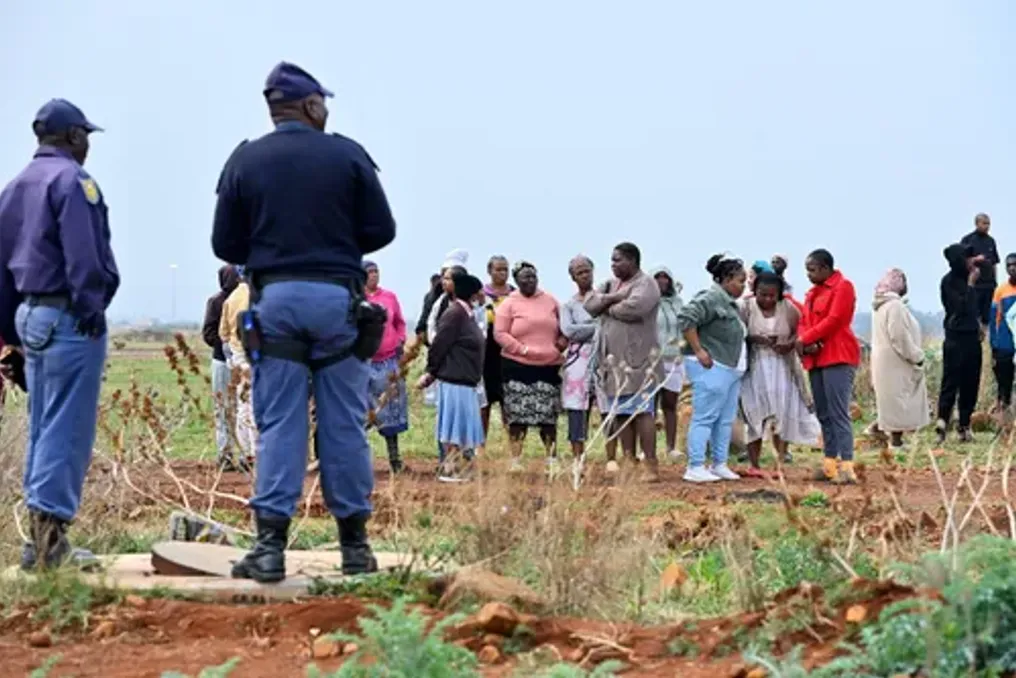
On Thursday, police discovered the body of a ninth woman in Don Park in East Rand, Ekurhuleni municipality, Gauteng province. The discovery of bodies has once again raised serious concerns about women's safety in the area.

Gender-Based Violence and Femicide (GBVF) were classified as a national disaster in November 2025. This decision was made amid growing public pressure and protests related to the crisis facing women in South Africa.

The Minister of Co-operative Governance and Traditional Affairs, Velenkosini Hlabisa, announced this classification after the head of the National Disaster Management Centre determined that GBVF met the threshold for a potential disaster according to Section 23 of the Disaster Management Act. This step placed the primary responsibility for coordinating and managing the national disaster on the National Executive Authority, pursuant to Sections 23 and 26 of the Act.

The private sector, local communities, and individual citizens were also called upon to intensify efforts to prevent and mitigate risks.

By September 2026, the discovery of multiple female bodies in Ekurhuleni, including Kempton Park, once again drew attention to the femicide crisis in the country. Police are investigating possible links between these cases but have warned against prematurely stating whether the murders were committed by a single perpetrator or if they are connected in any way.

For many South Africans, the circumstances surrounding these deaths are difficult to comprehend. Behind each body is a woman who had a life, aspirations, relationships, and a family now forced to cope with her loss.

This raises a complex question: what has the declaration of GBVF as a national disaster achieved, and what effect has it had on women's safety? It is deeply alarming that women continue to live in fear of violence, while communities mourn women whose lives were brutally cut short.

The latest fatalities should not be viewed solely as individual crimes. They must also serve as an impetus to examine issues of prevention, police work, investigations, prosecutions, support for victims and survivors, and the effectiveness of structures established to combat GBVF.

What is happening to women in South Africa requires more than just declarations and programs; it demands sustainable action, accountability, and a society where violence against women is opposed by the government, communities, and men themselves.

National Shelter Meeting Calls for Strengthening Measures Against Gender-Based Violence and Femicide
Read more
iol.co.za

National Shelter Meeting Calls for Strengthening Measures Against Gender-Based Violence and Femicide

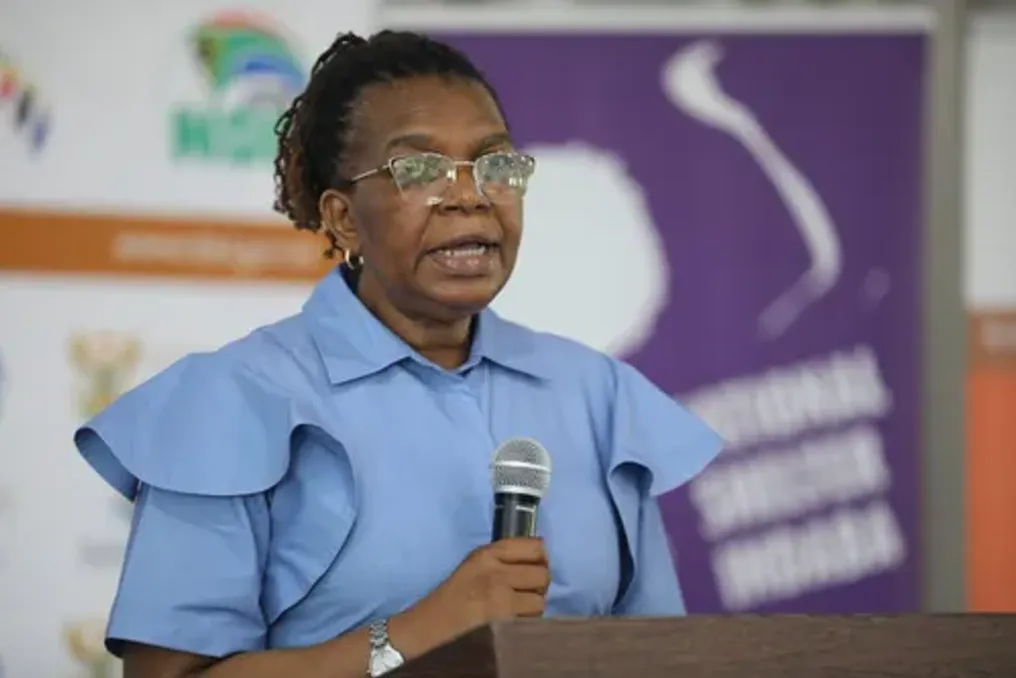
During the sixth National Shelter Meeting held in Gauteng on Wednesday, Minister of Social Development Dina Pule emphasized the need to strengthen both national and global efforts to prevent gender-based violence and femicide (GBVF).

This year's theme was set as 'Social Integration of GBVF Interventions.' Delegates from the Department of Social Development (DSD), the National Shelter Movement of South Africa (NSMSA), and shelter representatives noted during the meeting in Gauteng on Wednesday the need for closer cooperation and collective action to address GBVF issues.

The Department stated that since its establishment in 2021, this meeting has served as an important professional platform for officials, participants, and stakeholders striving to eradicate GBVF, allowing them to exchange knowledge, experience, and lessons learned.

Furthermore, the meeting provides participants with an opportunity to develop strategies for effectively addressing the problems, gaps, and challenges affecting the provision of services to affected women and their children.

Promoting Social Cohesion

One of the topics discussed on the first day of the meeting was tolerance. Government and shelter representative organizations agreed that promoting tolerance and social cohesion is crucial for making progress in combating the GBVF crisis.

The Department of Social Development leads the Fourth Pillar of the National Strategic Plan on Gender-Based Violence and Femicide (NSP-GBVF), which focuses on support, care, assistance, and healing.

Dina Pule highly commended the continuous support provided by NSMSA and the Heinrich Böll Foundation over six years.

Pule addressed shelter staff, social workers, counselors, and support personnel, saying: 'I greet you. Your work is at the forefront of our national response. You are the hands reaching out to survivors, the voices breathing hope into despair, and the guardians of dignity when it has been most cruelly taken away.'

She noted that the statistics necessitating such a statement remain shocking. 'One in three women aged 16 and older has experienced physical violence. Three women are killed by their intimate partners every day. Between July and September 2025 alone, over 2000 survivors sought help at Thuthuzela Care centers. Approximately 65% of all registered victims of gender-based violence in some provinces are children,' she stated.

Crime Asset Recovery Fund Account

Pule also expressed gratitude to the department for the work conducted in 134 operational shelters, made possible through the joint efforts of her department and the Department of Public Works and Infrastructure (DPWI).

She reported that through funding from the Crime Asset Recovery Account (CARA), the department acquired nine vehicles for anti-trafficking shelters (TIP) across nine provinces. Additionally, the department is establishing four integrated Khuseleka centers in the provinces of Limpopo, Mpumalanga, North Cape, and KwaZulu-Natal.

Pule emphasized: 'Social integration is not an abstract concept. It requires concrete actions. Survivors must be at the center of policy, services, and resource decision-making. Their voices must guide our actions.'

Saving Lives

The National Development Agency (NDA) plays a vital role in the economic empowerment of women and GBVF victims. Pule explained that the NDA served as a mechanism through which DSD directed and utilized funds allocated from CARA for the Victim Empowerment Program through Civil Society Organizations (CSOs), which provided direct and indirect support to GBVF victims.

This program ran from 2020 to 2023, allocating 95 million rand. Pule concluded: 'To the shelter representatives, your work saves lives. Every woman who finds shelter, every child protected from harm, every family given a chance to heal—that is your achievement.'

Despite declaring GBVF a national catastrophe, murders of women continue in South Africa
Read more
iol.co.za

Despite declaring GBVF a national catastrophe, murders of women continue in South Africa

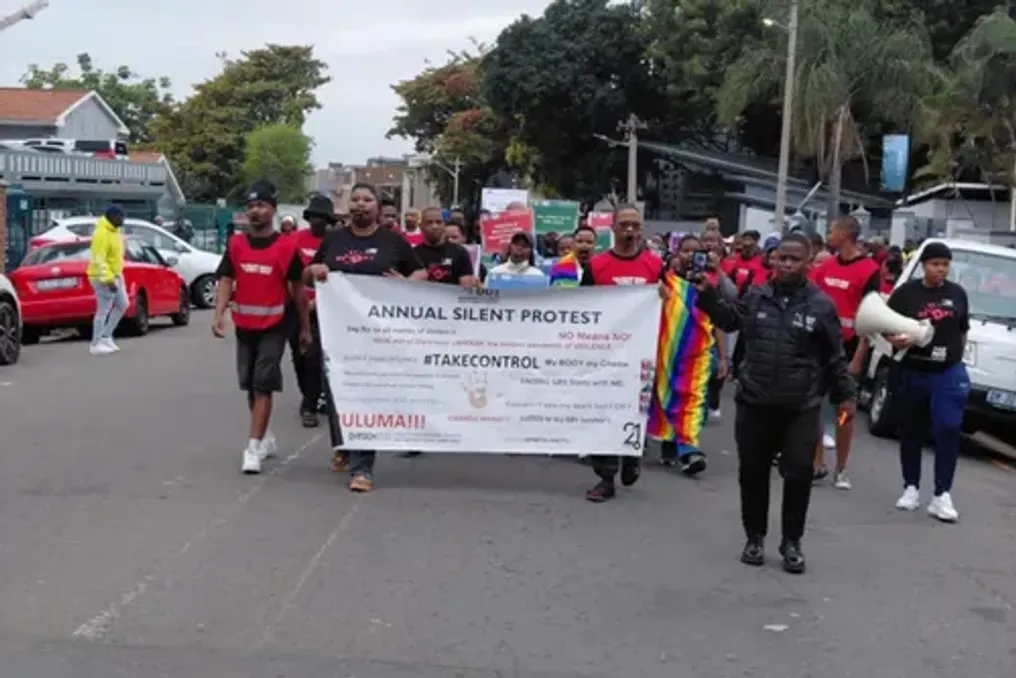
In South Africa, students and staff from DUT marched silently through Durban to honor the memory of victims of gender-based violence and femicide, and to call for an end to violence, fear, and silence.

In the eThekwini area, the body of a sixth woman was found in approximately two months. Police are investigating possible links between these cases but warn that it is too early to speak of a serial killer's guilt.

Nevertheless, this should not distract from the broader crisis. South Africa does not lack reports of GBVF; it lacks consequences, protection, and urgency.

The case of 38-year-old Elizabeth 'Ntontso' Moselakgomo intensified public anger. Moselakgomo, a mother, went missing after going for a run. Her family later identified her body at the Germiston morgue. The police deployed specialized resources to investigate her death alongside other murders.

The circumstances of the deaths are still being determined, and it would be irresponsible to claim that the women were killed by the same person before investigators establish that. However, six bodies in a concentrated geographical area demand an exceptional response.

Police have already involved multidisciplinary investigators and forensic specialists. One suspect is in custody in connection with the first body found in July. Investigators are now working to identify connections between these cases. Therefore, the public needs more than just assurances that investigations are underway; it needs results.

Because for the women living in eThekwini, the question is not whether the authorities will eventually explain what happened, but whether the state can prevent the next woman from becoming another case.

Murders in eThekwini occur against the backdrop of a national crisis. SAPS registered the murder of 569 women between April and June 2026, as well as 9201 rape cases. Over 60% of the rape cases sampled occurred in residential premises, challenging the notion that violence against women is a danger lurking somewhere outside the home.

The scale of this is precisely what led the government to classify GBVF as a national catastrophe in November 2025. This classification was intended to allow the government to coordinate its response, direct resources to the crisis, and strengthen accountability. The government also established a National GBVF Council to coordinate the national response.

However, almost a year after the declaration of the catastrophe, frontline organizations continue to report serious resource issues. The South African National Shelter Movement states that about 90% of shelters supported by them are struggling with funding and other forms of support. These facilities may be necessary for women trying to escape abusive homes, receive counseling, legal aid, or protect their children.

This reveals a fundamental contradiction. If GBVF is a national catastrophe, the infrastructure protecting its victims cannot be treated as a secondary issue.

South Africa is not alone in the fight against femicide. In Cameroon, reports indicate that over 120 women have been killed by intimate partners since the beginning of the year. In response, the government launched a three-month national campaign targeting femicide, domestic violence, gender inequality, and male dominance, focusing on prevention, reporting crimes, and prosecution.

Cameroon's campaign itself does not solve the problem. Campaigns only make sense when backed by functioning institutions. But the comparison raises an important question for South Africa: what does emergency action look like when a crisis has already been officially recognized?

It should mean swift police investigations. It should mean adequately funded shelters. It should mean prosecutors effectively handling cases. It should mean the enforcement of protection orders. It should mean early intervention when patterns of abuse emerge. And it should mean confronting the attitudes among men who normalize control, the right to dominate, and violence against women.

The most dangerous response right now will be another cycle of outrage followed by another declaration. The state has already acknowledged the problem. President Cyril Ramaphosa declared GBVF a national catastrophe, and the government established a status National Council and promised increased policing, survivor support, and prevention programs.

The question is no longer whether the government understands the crisis. The question is whether the system delivers results. This means publishing measurable targets for investigations, prosecutions, convictions, protection orders, shelter capacity, and police responsiveness. It means identifying where resources are lacking and addressing those gaps instead of creating another layer of bureaucracy. And it means that men must become part of the solution, not just receive instructions to condemn violence after another woman dies.

The women found in eThekwini cannot be reduced to statistics. Nor can the 569 murdered women in three months be reduced to statistics. South Africa has already named GBVF a national catastrophe. Now the state must act as if it believes its own declaration.

Popular