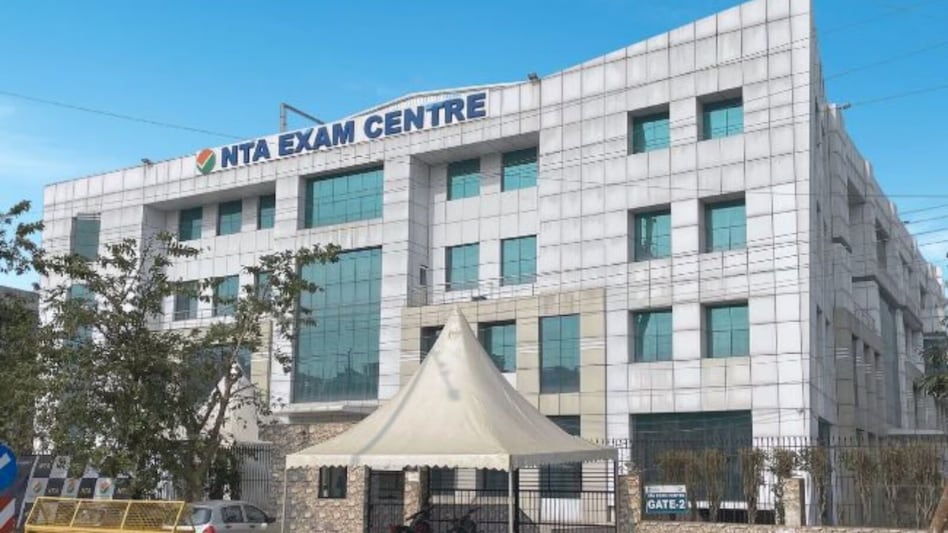
The National Testing Agency (NTA), which recently relocated to a new office following a major scandal involving the leak of NEET materials and administrative shortcomings, will now be under the protection of the Central Industrial Security Force (CISF). This measure is being taken to ensure impeccable conditions in the agency's 'confidential zones,' officials reported.
This decision followed the leak of medical entrance exam tickets for NEET-UG earlier this year, which sparked nationwide student protests and led to the resignation of then-Education Minister Dharmendra Pradhan.
On the day of Pradhan's resignation, Prime Minister Narendra Modi announced the creation of a high-level task force led by Infosys co-founder Nandan Nilekani to develop reforms aimed at ensuring the integrity of the examination system. The commission has not yet submitted its report.
According to the CBI charge sheet, which identified three subject experts as the main sources of the leak, there was no control or inspection conducted during the entry or exit of these experts from the confidential section of the National Testing Agency (NTA). This allowed the experts to obtain brief information from the developed examination materials on small sheets made from ordinary paper provided to them for rough work and translation.
NTA, established in 2017 under the Ministry of Education to conduct fair, transparent, and standardized examinations, previously operated from its office in Okhla. However, as reported by a senior PTI official, 'a special office space of over 55,000 square feet was allocated in the Government of India building on Mint Road. The fifth floor, as well as parts of the fourth and sixth floors of this building, were allotted to the National Testing Agency. Confidential and sensitive operations were moved to the newly allocated building in the last month.'
The CBI report also noted that the activities of the three accused experts went unnoticed because the NTA office in the national capital lacked a dedicated control room with direct CCTV video linkage.
Regarding the monitoring plan at the new premises, the official clarified: 'Confidential zones have been designated in the building where movement and operations will be strictly controlled to ensure a robust system. The Ministry of Home Affairs has approved the security coverage of the Central Industrial Security Force (CISF) for these premises.'
Providing details, the official mentioned that 39 CISF personnel have been deployed who will be responsible for security, proper access control, and screening measures, including X-ray baggage scanners and Door Frame Metal Detectors (DFMDs).
The official added: 'CISF is deployed at appropriate locations at all entry and exit points for monitoring and regulating access to the confidential zone.'
Other parts of the Government of India Building are already under CISF protection. Although there are no educational institutions in the country protected by CISF, the Union Public Service Commission (UPSC), which conducts recruitment exams, is guarded by CISF.
A similar NEET material leak in 2024 led to the formation of a high-level committee headed by former ISRO Chairman K Radhakrishnan. This group prepared detailed recommendations to strengthen security control measures for critical examination systems, covering examination material systems, candidate registration, fee payment, admit card systems, computer testing platforms, OMR processing, normalization mechanisms, and result systems.
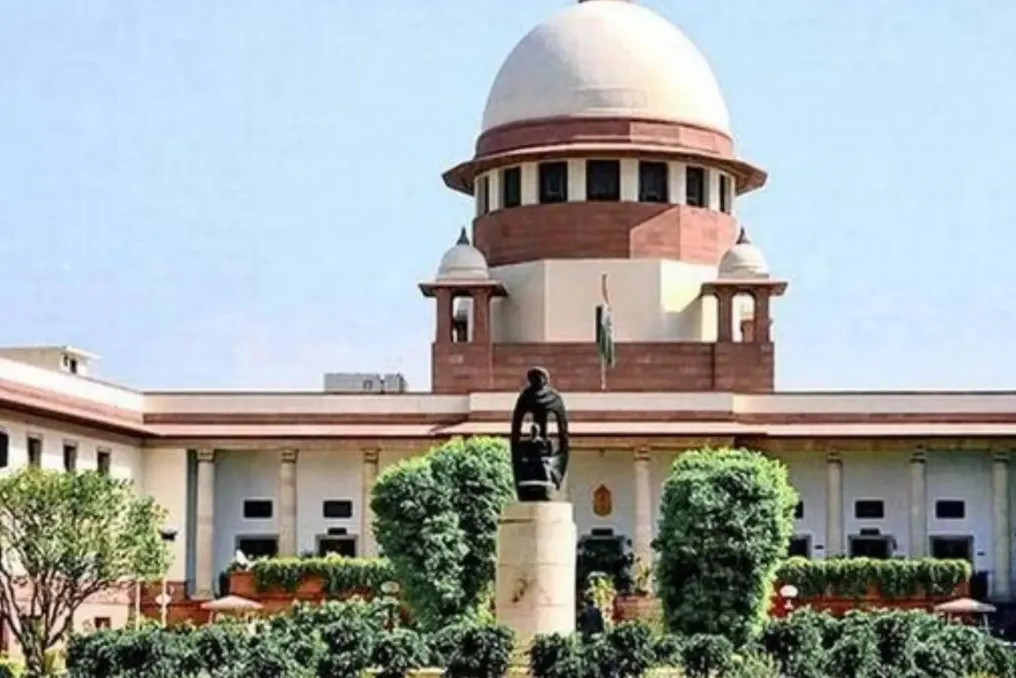
However, after the 2026 leak, the Supreme Court sharply criticized NTA, stating that 'the agency has not learned its lessons.'
An official representative stated that 'mission mode measures are being taken to establish strict access control, encryption standards, immutable logging, and tamper-proof storage for all exam-critical workloads.'
He also mentioned that planned actions include conducting security readiness reviews of all examination support systems before each examination cycle in coordination with the NTA's technology department and aligning with NTA's testing and security function regarding the technical security of the examination day workflows, including biometric authentication, facial matching, CCTV systems, and direct monitoring infrastructure.
The agency is also working on maintaining readiness to respond to exam-specific cyber incidents on examination days, with enhanced SOC monitoring and rapid response capability.
NTA has appointed a dedicated Chief Information Security Officer (CISO) to strengthen information security, the official added. He continued: 'The vacancy for CEO and CISO has been advertised, and the selection process is at an advanced stage. Independent third-party cybersecurity audits from agencies accredited by CERT-In and C-DAC are ongoing.'