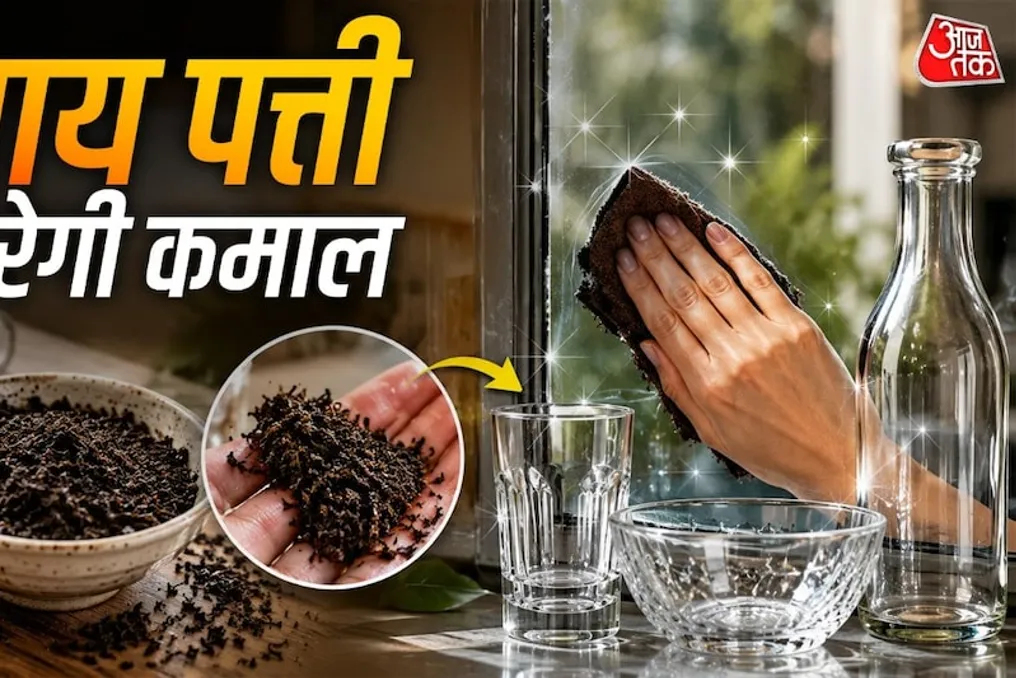
In India, where tea is prepared two or three times daily, used tea bags are often thrown away, considered useless waste. However, this residue possesses properties that make it a valuable agent for cleaning, odor removal, and gardening.
Thanks to the presence of natural antioxidants, tannins, and acidic components, tea residue can quickly tackle ingrained greasy dirt, glass stains, and tree grime. By mastering these reuse methods, one can save a significant amount of money while making the home shine with cleanliness and a pleasant aroma. Below are seven effective ways to use tea remnants.
How to Use Tea Bag Residue:
Before using the residue, it must be thoroughly rinsed with clean water 2-3 times to completely remove traces of sugar and milk.
1. Giving Shine to Glassware and Mirrors
To do this, boil the rinsed tea residue in water for five minutes. Strain the resulting infusion, let it cool, and pour it into a spray bottle. Spray this liquid onto window panes, mirrors, or glass tables, and then wipe with a dry cotton cloth. This helps eliminate fingerprints and dull film, giving the glass a brilliant shine.
2. Polishing Wooden Furniture
Take a soft microfiber cloth, dampen it with warm tea residue infusion, and wring it out well. Use this cloth to wipe wooden doors, tables, and cabinets. The tannins contained in the tea provide a natural luster to the wood and easily remove dust and stains.
3. Cleaning Sticky and Greasy Dishes
If stubborn grease from oil and spices has formed in a pot or pan, add the rinsed tea residue and a little hot water, letting the mixture sit for 10-15 minutes. The tea components effectively break down the fat. Afterward, the dishes will easily clean with regular dish soap.
4. Organic Fertilizer for Plants
Rinsed and dried tea residue is rich in nitrogen. It is recommended to mix it with soil for plants such as roses, marigolds, or tomatoes, adding 1-2 teaspoons. This serves as an excellent organic fertilizer and improves soil quality.
5. Odor Removal in the Freezer and Sink
Dry the tea residue in the sun. Then, place it in a small pouch made of thin cotton fabric or simply in an open bowl and put it in a corner of the refrigerator. The residue will absorb all unpleasant and mixed odors inside. Furthermore, to eliminate drain odors, you can pour brewed tea residue down the sewer and cover it with hot water.
6. Enhancing Color and Flavor of Lentils and Chickpeas
Tie the rinsed tea residue in a pouch made of clean muslin cloth. Place this pouch in the multi-cooker while cooking chickpeas. This will give the chickpeas a rich dark color and a deep, authentic flavor without any additives.
7. Natural Hair Conditioner
Cool the water in which the tea residue was boiled. After shampooing your hair, rinse it with this water. This promotes natural shine, helps eliminate dandruff, and makes the hair softer and silkier.