
How to make delicious vegetable flatbread porridge (Atta Veg Khichdi) from wheat flour
Read more
Aaj Tak
www.aajtak.in

How to make delicious vegetable flatbread porridge (Atta Veg Khichdi) from wheat flour

Khichdi is a dish traditionally prepared in every home. When one craves something light, easily digestible, and nutritious, the first thing that comes to mind is rice porridge with beans. However, if you are tired of rice porridge, try making a vegetable porridge from wheat flour using fresh vegetables and just one cup of wheat flour.

This recipe is not only very tasty but also easily digestible and rich in fiber. It is traditionally made in the states of Gujarat and Rajasthan, where small pieces of wheat flour or sevdiya are cooked with vegetables and spices. When this porridge is served with flavored oil and hing-jeera, its taste captivates hearts. Below is the simplest and quickest instruction for preparation!

For the dough:

1 cup of wheat flour

1/2 teaspoon ajwain

1 teaspoon of oil

Salt to taste

Warm water as needed

For the porridge and flavoring:

1 cup of mixed vegetables (finely chopped carrots, beans, peas, cauliflower, bell pepper)

1 large onion (finely chopped)

1 large tomato (finely chopped)

1 teaspoon of grated ginger and finely chopped green chili

2 tablespoons of ghee or oil

1 teaspoon of cumin and rai

1/4 teaspoon of hing

7-8 curry leaves

1/2 teaspoon of turmeric powder

1 teaspoon of red pepper powder

1 teaspoon of coriander and cumin powder

1/2 teaspoon of garam masala

Salt to taste

3 cups of water

Finely chopped green peas (for garnish)

In one pot, mix 1 cup of wheat flour, ajwain, salt, and 1 teaspoon of oil. Then, gradually adding water, knead a quite thick dough, similar to chapati dough. From this dough, form very small balls (or flatten them by hand into small pieces). (You can also lightly pulse the flour in a food processor to get coarse grains, similar to suji).

Heat 1 teaspoon of ghee in a pan and fry the prepared dough pieces over low heat for 3-4 minutes until they become slightly golden and aromatic, then remove them to a plate.

Now, heat 1.5 tablespoons of ghee in the same pot or multi-cooker. Add cumin, rai, hing, curry leaves, ginger, and green chili for flavoring. Then add the onion and fry until light pink.

After the onion browns, add the chopped tomatoes, turmeric, red pepper, coriander powder, and salt, and cook the spices until the oil starts to separate.

Next, add the mixed vegetables (carrots, beans, peas, cauliflower) to the pot and sauté with the spices for 2 minutes.

Add the fried flour base and 3 cups of water, mix well. Cover and cook on low or medium heat for 8-10 minutes until the flour and vegetables are completely soft (if cooking in a multi-cooker, set the mode for 2-3 whistles).

When the porridge becomes creamy and thick, stir in garam masala, 1 tablespoon of ghee, and finely chopped green peas. The finished hot, nutritious, and very tasty vegetable porridge from flour is ready. It is served with yogurt, papad, and pickled cucumbers.
Similar stories

How to Prepare Spicy Badhal (Brata Kathala) Marinade Using Cardamom and Fennel
Read more
www.aajtak.in

How to Prepare Spicy Badhal (Brata Kathala) Marinade Using Cardamom and Fennel

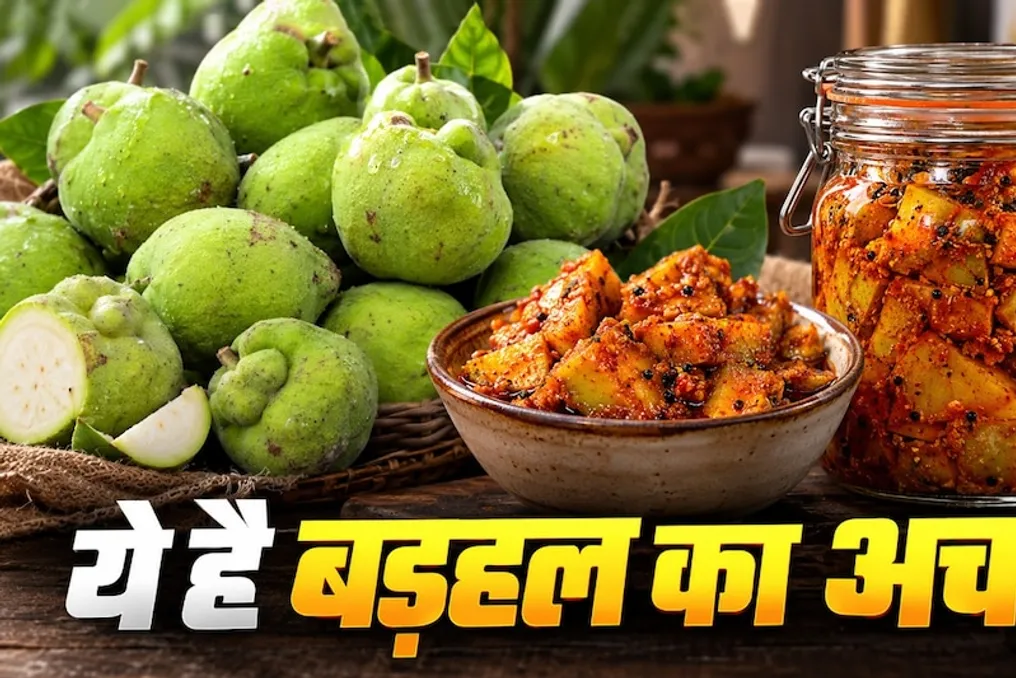
When it comes to marinades, people first think of mango, lemon, or chili marinades. However, if you love marinades and are tired of familiar flavors, try making a spicy marinade from badhal, which is called brata kathala. Badhal, known in English as Mankhi jackfruit, is prepared using cardamom, fennel seeds, kalonji, and pure mustard oil. This marinade is so delicious that it can double the flavor of ordinary lentils with bread or paratha.

Badhal belongs to the kathala family. It externally resembles a small kathal but differs in that its surface is velvety rather than prickly. The ripe fruit is eaten directly, while the raw fruit is used to prepare marinades and chutneys. It is rich in vitamins C and A, iron, and antioxidants, and its season is during the hot and rainy time of year.

Ingredients

To prepare, you need 500 grams of raw badhal, cut into small pieces; 2 tablespoons of cardamom (lightly crushed); 1 tablespoon of fennel seeds; 2 tablespoons of yellow or black mustard (lightly crushed); 1 teaspoon of kalonji (nigella seeds); 1 teaspoon of turmeric powder; 1.5 tablespoons of red pepper powder (depending on spiciness); 1/2 teaspoon of asafoetida; 1 cup of mustard oil; 2 tablespoons of amchur powder or vinegar (for tanginess); salt to taste (the marinade salt should be slightly saltier).

Preparation Instructions

First, you need to prepare the badhal: peel it and cut it into desired small pieces. In a pot, boil water, adding a pinch of turmeric and salt, and cook the badhal pieces for 3-4 minutes (they only need to be partially cooked so they do not overcook). After that, remove the cooked pieces from the water and spread them on a cotton cloth in the sun or near a fan for 2-3 hours to completely remove all moisture.

Next, in a pan over low heat, fry the fennel seeds and cardamom for 1 minute to release their aroma. After cooling, grind them in a blender to a light coarse consistency. Then, heat the mustard oil in a pot until it smokes, after which turn off the gas and let the oil warm up slightly. In the warm oil, mix the asafoetida, kalonji, ground cardamom and fennel, mustard powder, turmeric, red pepper, amchur, and salt, mixing thoroughly.

Finally, add the dried badhal pieces to this spicy oil mixture and mix well so that each piece is covered with spices. Let the finished marinade cool completely, then transfer it to a clean and dry glass jar (bornya). Leave the marinade in the sun for 3-4 days, and your spicy badhal marinade will be ready to serve!

Vegetable Karbi (Arbi) Recipe with Yogurt: A Garlic and Onion-Free Dish from Mathura
Read more
www.aajtak.in

Vegetable Karbi (Arbi) Recipe with Yogurt: A Garlic and Onion-Free Dish from Mathura

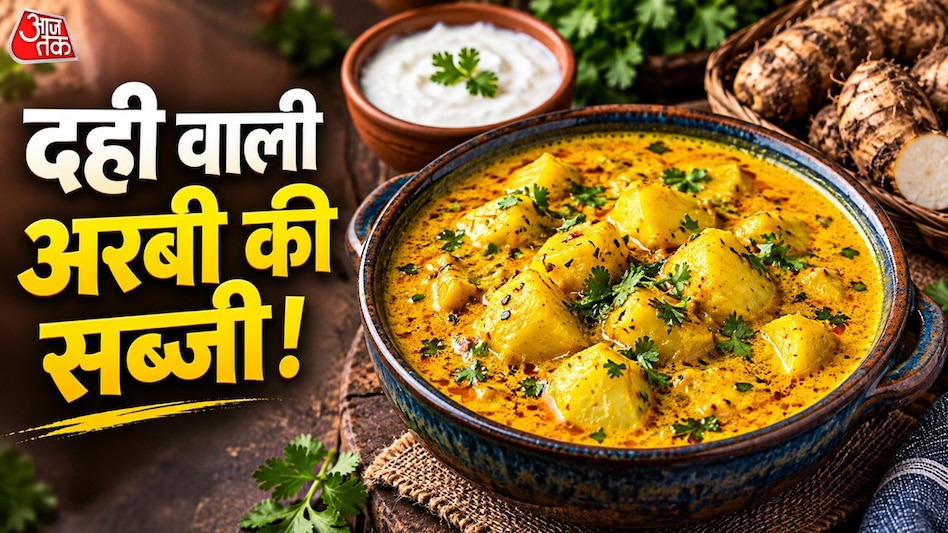
Karbi (Arbi) is often disliked by children, but preparing a vegetable dish in the Mathura-Agra style using yogurt makes it incredibly tasty, encouraging repeated consumption.

This dish is traditionally prepared during Radha Ashtami, especially in the state of Uttar Pradesh (UP). Unlike regular dry karbi, the yogurt version gains a light tang and spiciness from the addition of one cup of yogurt.

Serving this hot yogurt karbi pairs well with hot bread or paratha, and the recipe does not require a large number of ingredients. Below is a simple method for preparing this dish.

Preparing Yogurt Karbi

First, thoroughly wash the karbi and boil it. It is important not to overcook the vegetable so that it does not fall apart when sliced. After cooling, the skin is removed, and the karbi is cut into rounds or strips.

Heat oil in a pan and fry cumin seeds (jeera), fenugreek (ajwain), and asafoetida (hing). Then add the chopped karbi and fry until lightly golden brown, which enhances both the taste and texture of the vegetable.

After this, reduce the heat to a minimum and stir in turmeric, red chili, and coriander powder. After lightly frying the spices in a separate bowl, add a whisked cup of yogurt. When adding the yogurt, maintain low heat and stir constantly to prevent it from curdling.

Once the yogurt is evenly mixed with the spices, add a little water as needed, along with salt and green chili to taste. Simmer the dish for several minutes until the sauce thickens and oil begins to separate around the edges. Finally, add garam masala and sprinkle with finely chopped fresh cilantro, then turn off the stove.

How to Serve

The finished aromatic and spicy yogurt karbi should be served with hot roti, paratha, or puri. The light tang of the yogurt gives the karbi an even more pleasant flavor. It is recommended to try this recipe the next time you buy karbi.

Popular