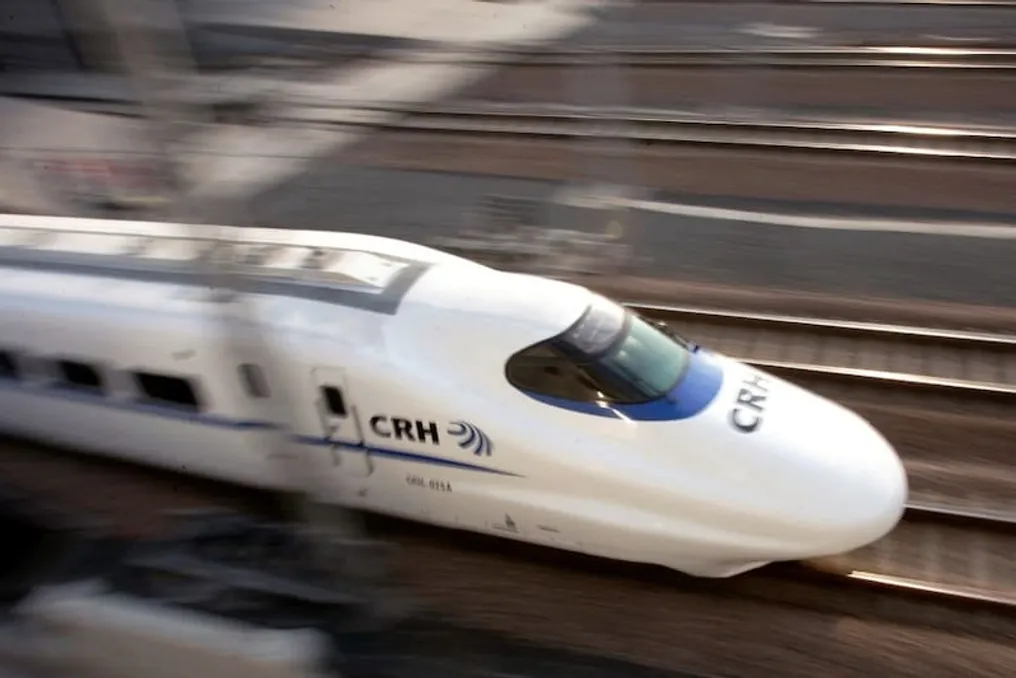
Indian Railways launches first LNG train with dual fuel system
Read more
Aaj Tak
www.aajtak.in

Indian Railways launches first LNG train with dual fuel system

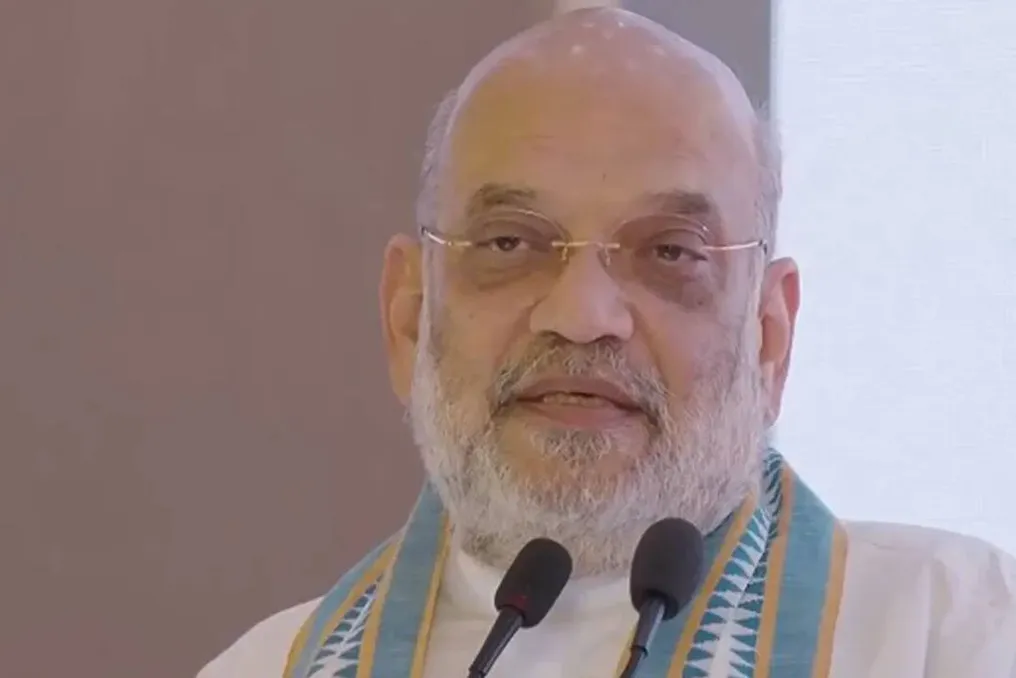
Indian Railways has introduced the country's first train running on liquefied natural gas (LNG) after launching its first hydrogen train. The Union Minister of Home Affairs, Amit Shah, participated in the inauguration ceremony of this eco-friendly train, which departed from Sabarmati in Gujarat state on Sunday.

Before putting the train into operation, it underwent successful trials. According to reports, the train received clearance to run after covering approximately 2000 kilometers. The goal of introducing this LNG train is to reduce fuel costs and decrease carbon emissions.

A post by the Ahmedabad Railway on social media indicated that the Union Minister of Home Affairs and Cooperation, Amit Shah, inaugurated the first LNG-powered train of Indian Railways from Sabarmati. The post highlighted the beginning of a new era of green energy in Indian Railways, starting from Sabarmati.

This project is based on dual-fuel technology, combining diesel and LNG. This means that the same engine can run on either LNG or diesel, depending on fuel availability. This step by the railway aims to reduce dependence on traditional fuels and increase energy efficiency, ensuring significant savings for the railway system.

The Ahmedabad Railway division posted a series of updates on the social network X, showcasing the first footage of the country's first LNG train. The videos showed the start of this green journey. Furthermore, one of the videos showed students welcoming this new railway venture while waving the tricolor flag.

Following the launch of the LNG train, Indian Railways had previously started operating the first hydrogen train. This 10-coach train is currently running between Jind and Sonipat stations in Haryana state. The total length of this route is approximately 89–90 kilometers, and the railway is exploring the possibility of using other routes for hydrogen train operations.

Similar stories

Amit Shah launched the first LNG train in India and inaugurated railway projects
Read more
timesofindia.indiatimes.com

Amit Shah launched the first LNG train in India and inaugurated railway projects

India's Minister of Home Affairs and Cooperation, Amit Shah, on Sunday solemnly launched the first train running on liquefied natural gas (LNG) in the state of Gujarat. Additionally, in Sabarmati, he opened a number of railway projects with a total value exceeding 1,542 crore rupees.

Fast sleeper train Vande Bharat planned to run between Delhi and Varanasi
Read more
www.aajtak.in

Fast sleeper train Vande Bharat planned to run between Delhi and Varanasi

Indian Railways plans to introduce a second Vande Bharat sleeper train for long-distance travel. The first Vande Bharat sleeper train operates on the Hauzdara – Chamakharia route and has received positive feedback from passengers.

The launch of the second Vande Bharat sleeper train is currently being prepared, which will operate between New Delhi and Varanasi.

According to the proposed schedule, the train will depart from Varanasi Cantt at 21:20 and arrive in New Delhi around 5 am the next day. This means the journey will take only 8 hours. The return route will have the same schedule: departure from New Delhi at 21:20 and arrival in Varanasi at 5 am the following day.

This will allow passengers to spend the night comfortably and reach their destination early in the morning.

The maximum speed of the train is expected to be 130 kilometers per hour. However, the final schedule and other operational details will only be known after an official announcement by the railway, as the presented data is only preliminary.

According to media reports, the ticket price for Vande Bharat sleeper trains may be slightly higher than for Rajasthan or Tejas Express trains. The cost of these trains usually starts at approximately 960 rupees for Three-Tier AC and can be higher in higher classes (First AC). The final price will be announced after the railway's official decision.

Although there is no official statement yet, estimates suggest that given the high demand, the train could be launched by Diwali. The total capacity of the train will be 800 passengers. The train composition may include 11 three-tier AC coaches, 4 two-tier AC coaches, and 1 first-class coach.

India's first high-speed railway: Tunnel and station construction in the Vapi-Surat section
Read more
www.aajtak.in

India's first high-speed railway: Tunnel and station construction in the Vapi-Surat section

Preparations for the launch of India's first high-speed railway are actively continuing, and work on the railway stations being built for this project is progressing at a high speed. The Ministry of Railways and the Railway Minister regularly publish updates on this topic on social media platforms such as Twitter (now X).

The Ministry of Railways shared a video demonstrating the progress of work at the railway station and on the track itself in the Vapi-Surat section. This video quickly went viral. The video clearly shows that to ensure high train speeds on this high-speed route, work is underway to lay tunnels through mountains, install the railway track over a river, and carry out electrification work at a military level. Furthermore, the railways showed preliminary footage of the multi-story station for the high-speed train.

Construction of the Vapi-Surat section is proceeding very rapidly. The Railway Minister indicated that the first high-speed railway may begin operating on tracks possibly as early as August 15 of next year. This will be the country's first high-speed train to operate on the 508-kilometer Mumbai-Ahmedabad high-speed rail corridor. Of this corridor, 348 kilometers pass through Gujarat, and the Vapi-Surat section shown by the Ministry of Railways accounts for about 100 kilometers.

Although the entire 508-kilometer Mumbai-Ahmedabad corridor includes a certain number of stops, 12 stops were planned for this segment. The first high-speed train station is located in Sabarmati, and the last one is in Mumbai. In addition to Sabarmati and Mumbai (BKC), the list includes towns such as Thane, Virar, Boisar, Vapi, Bilimora, Surat, Bharuch, Vadodara, Anand, and Ahmedabad.

When the high-speed train reaches its full operational speed, it will travel at 320 kilometers per hour. However, between Ahmedabad and Mumbai, the average speed of the high-speed train is expected to be around 300 kilometers per hour next year. Previously, the journey between Mumbai and Ahmedabad on the fastest trains took approximately 6 hours. After the high-speed train launches, this time will be reduced to just 2 hours. This will not only save valuable passenger time but also boost trade activity between the two states.

Popular