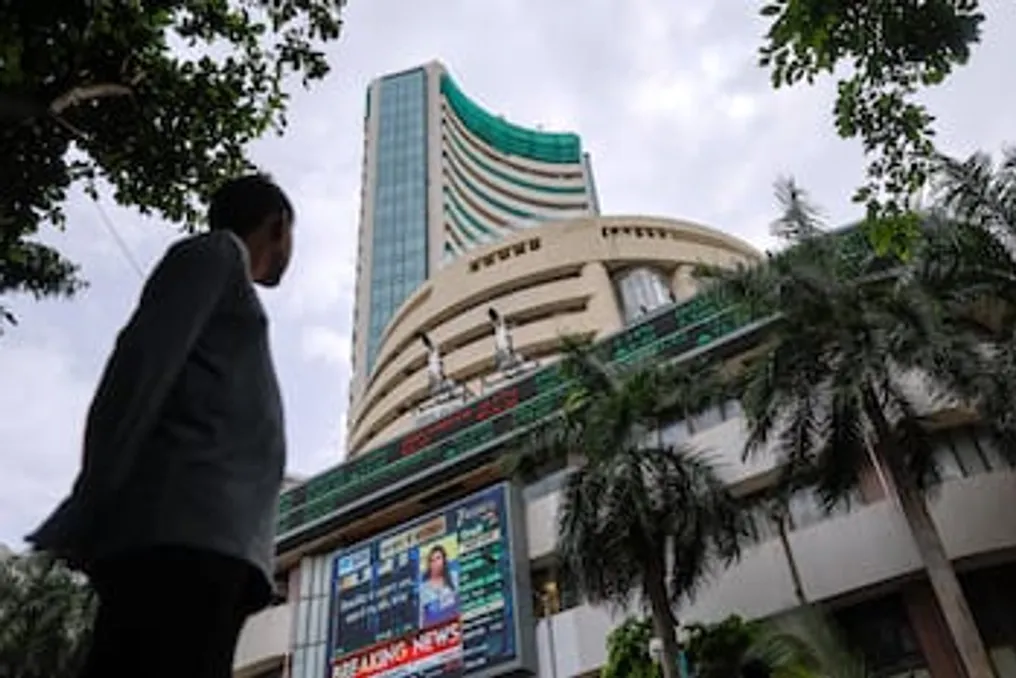
Analysts note that in the upcoming week, which will be shortened due to holidays, investors will pay close attention to the geopolitical situation, crude oil prices, bond yields, and macroeconomic data announcements to determine market trends.
Experts indicate that global market sentiment will be shaped by diplomatic negotiations between the US and Iran, as well as crude oil prices. The market is likely to remain cautious, as the continued influence of oil prices, geopolitical events, and global bond yields will dictate the short-term direction of movement.
Please note that stock markets will be closed on Friday in observance of Mahatma Gandhi Jayanti.
Overview of Influencing Factors
Ajit Mishra, Senior Vice President of Research at Religare Broking, stated that globally, events related to diplomacy between the US and Iran, as well as crude oil prices, are critically important. He added that any progress in establishing frameworks for resuming operations in the Strait of Hormuz could lower energy prices, easing India's import bill and pressure on the rupee. Conversely, a resurgence of geopolitical tension could sustain a high level of volatility.
Furthermore, industrial production data for August and the HSBC manufacturing PMI will be released during the week. Market participants are also closely monitoring the activity of Foreign Institutional Investors (FIIs) and upcoming monthly automobile sales data.
According to Pommudy R, CEO of Enrich Money, global bond yields will remain an important factor following the Federal Reserve's September decision. Further increases in yields and the dollar could negatively impact capital inflows into emerging markets, while moderation in yields might bring some relief. The rupee also remains a key indicator, as constant demand for dollars linked to oil and ongoing FII outflows can put pressure on the currency, although RBI intervention has helped curb excessive volatility.
Additionally, several economic reports from the US will be significant for the global risk perception. Last week, the BSE Sensex index fell by 399.22 points, or 0.53 percent, and the NSE Nifty declined by 205.9 points, or 0.88 percent.
Hariselvan Radhakrishnan, Founder and CEO of HST Wealth, noted that the price of Brent crude, currently around $105 per barrel, remains too high to provide significant macroeconomic relief. Progress in US-Iran negotiations could help reduce the geopolitical premium in oil prices, while escalation or supply disruptions could intensify inflationary pressure.
He also emphasized that the yield on 10-year US Treasury bonds, currently around 5.2 percent, will serve as another constraint on global risk appetite. Pommudy added that the combination of higher oil prices, increased yields, and geopolitical uncertainty contributed to sharp sell-offs mid-last week. High yields continue to tighten global financial conditions and may reduce the relative attractiveness of emerging market assets.
Siddhartha Kemka from Motilal Oswal Financial Services believes that markets will watch India's August industrial production and the federal budget deficit for signals regarding domestic momentum and the path to consolidation. Globally, expectations regarding the global rate cycle will be shaped by US consumer confidence and JOLTS job vacancy data, as well as the Eurozone inflation cluster for September.