Many people form the impression that a parent's heart is fine based on several factors: regular walks, no smoking, predominantly home-cooked food, and absence of pain. Although this may appear to be a favorable situation at first glance, cardiologists note that this perception is incomplete. It is in the gap between what 'seems fine' and what is 'actually fine' that there is an opportunity to take useful and low-cost actions.
As part of the celebration of World Heart Day, observed globally on September 29th under the auspices of the World Heart Federation with the theme 'Use your heart for action,' it is recommended to address this gap in parents' health in time before the problem requires urgent intervention.
Myth: Heart problems always manifest as chest pain
The images we absorb from television shows depicting clutching the chest are not the only or even the most common way heart diseases present themselves. Researchers believe that nearly half of all heart attacks manifest with milder and easily overlooked symptoms. These include fatigue, shortness of breath while sitting or talking, unexplained heaviness or discomfort, which is often attributed to gas or muscle tension, especially in the elderly, women, and people with diabetes.
Cardiologist Dr. Tarin from Chennai, who treated patients whose exertion-related symptoms were ignored for weeks, emphasizes that these subtle signs are often missed by families. He points out that indigestion, pain in the left arm or jaw, chest discomfort or heaviness, and shortness of breath during physical activity or sports—all are reasons to consult a cardiologist, rather than waiting for it to pass on its own.
Dr. Tarin explains: 'It's not a reason to panic over every tired evening; most evenings are like that. It is a reason to mention the prolonged or recurring nature of these symptoms to a doctor, rather than taking an antacid so it can be quickly ruled out instead of being explained away for weeks.'
Myth: This mainly concerns older age
For a long time, this statement was generally true. However, doctors now state that the age of onset of heart problems in India has shifted earlier. Dr. Tarin noted that India ranks first globally in the number of heart attacks among men over 35. This shift is reflected in how early doctors now recommend primary check-ups.
He advises men over 30 and women over 40, especially if there is a family history of heart disease, to undergo a comprehensive cardiac examination—which includes checking blood sugar, cholesterol, and blood pressure—instead of postponing it until a milestone birthday or retirement. Dr. Tarin believes that if parents are fifty, sixty, or seventy years old, basic heart screening cannot be postponed for 'a few more years'; it should be done now, similar to an annual eye or dental check-up.
Myth: An active parent adhering to a healthy diet does not need screening
Physical activity and proper nutrition do reduce risk, and these efforts should be maintained and encouraged. However, they must be combined with screening, not replace it. Dr. Tarin has encountered marathon runners and club-level athletes who had undiagnosed heart conditions. His recommendations go far beyond professional sports: everyone, including athletes and cricketers, should undergo regular check-ups, including electrocardiograms, stress tests, echocardiograms, and lipid profile determination, in addition to maintaining a healthy lifestyle.
According to Dr. Tarin, speaking with The Better India: 'Indicators such as blood pressure and cholesterol do not always come with symptoms, and that is why a basic check-up reveals more than a parent's energy level or appetite.'
Myth: If nothing hurts today, there is nothing to worry about
Heart health tends to accumulate gradually through indicators such as blood pressure and cholesterol long before a person feels any daily discomfort. This is less of a warning and more of a prompt: screening works best as preventive maintenance, not as a reaction to a symptom.
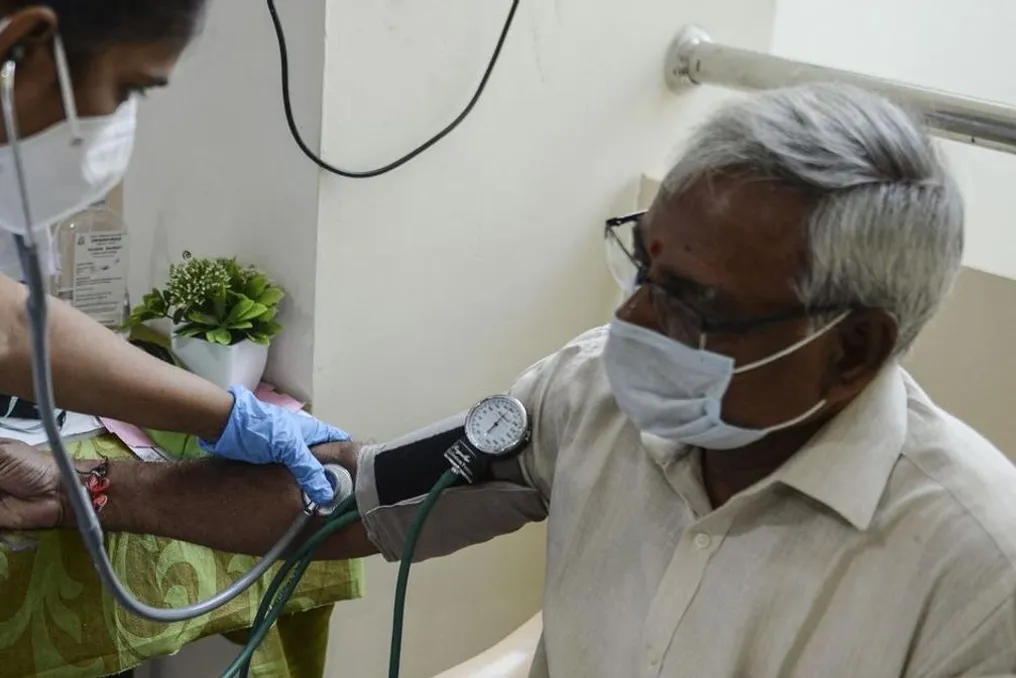
If more than a year has passed, schedule a basic check-up: measuring blood pressure, blood sugar levels, and lipid profile. Ask your parent in a casual manner if they have noticed any shortness of breath or unusual fatigue recently, as many do not bring up the topic themselves out of habit. Check if they continue walking or exercising, and if activity has decreased, gently ask the reason. Directly inform the doctor of any family history of heart disease instead of assuming it has already been accounted for. If the parent lives alone, consider this when determining the frequency of your visits, as conversation and routine help. Also, look into what their medical insurance covers to avoid unpleasant surprises. None of this requires urgency or worry. It only requires attention, asking questions aloud instead of guessing, and treating phrases like 'he is fine' or 'she is just getting older' as a reason for a quick check, not as a final conclusion.