Sao Tome requests advances in climate financing and UN reform during General Assembly
Read more
Noticias ao Minuto
noticiasaominuto.com

Sao Tome requests advances in climate financing and UN reform during General Assembly

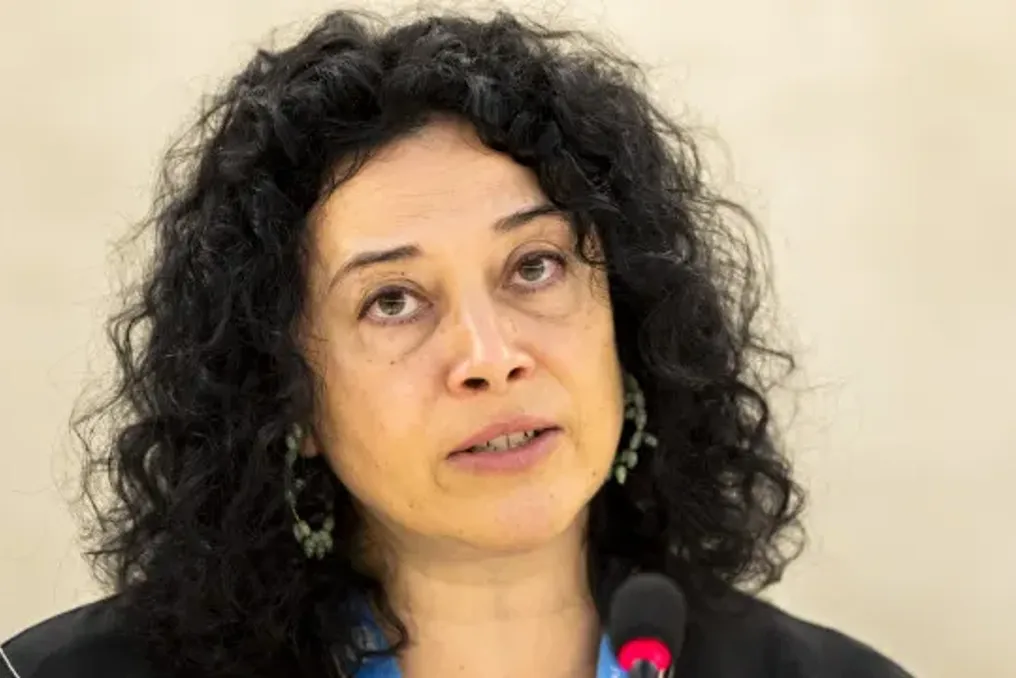
Ilza Amado Vaz, Minister of Foreign Affairs, Cooperation and Communities of Sao Tome, delivered a speech at the 81st United Nations General Assembly, held in New York, United States. During her address, she addressed the effects of climate change on small island states, classifying this situation as a 'profound climate injustice.'

The minister requested that the Multidimensional Vulnerability Index be converted into practical criteria for accessing concessional financing. Furthermore, she advocated for the full implementation of the Loss and Damage Fund and simpler and more effective access to the Green Climate Fund, arguing that institutional limitations of vulnerable countries should not impede existing support mechanisms.

Ilza Amado Vaz emphasized that Sao Tome's experience as a small democracy shapes its view on international representation. She highlighted that Africa currently possesses demographic, economic, and political weight that is not adequately reflected in global decision-making institutions.

In this regard, the head of Sao Tomean diplomacy defended the need to reform the Security Council, stating that such a change is not a favor to Africa, but rather a matter of legitimacy, justice, and effectiveness, as an entity responsible for world peace cannot maintain an outdated power structure.

For the sake of 'greater historical justice and representation,' the minister welcomed recent decisions recognizing the historical gravity of the transatlantic slave trade of Africans and promoting more accurate cartographic representation of continents, correcting visual distortions related to Africa.

She added that these recognitions must lead to an international order where Africa actively participates in defining the future, instead of merely reacting to decisions made in other forums.

Within the scope of her speech at the UN General Assembly, the representative of Sao Tome also commented on the global geopolitical landscape. The country expressed concern over conflicts in various regions, including Ukraine, Sudan, the Sahel, the Great Lakes, the Horn of Africa, and the Middle East, calling for the strengthening of diplomacy and the protection of civilians, in line with the UN Charter and international law.

The leader reaffirmed support for a two-state solution to allow for peaceful and secure coexistence between Israel and Palestine, based on international law and UN resolutions. Additionally, she expressed concern about the economic, trade, and financial restrictions affecting Cuba, appealing for their lifting for the benefit of Cuban development and declaring solidarity.

To conclude, Ilza Amado Vaz mentioned the legislative, local, and regional elections held that Sunday in Sao Tome and Principe, highlighting innovations such as automatic voter registration and the first application of the Parity Law, which represents a significant advance in promoting female inclusion and participation.
Similar stories

Global Climate Actions: Advancing Energy Transition and Climate Justice
Read more
cgtn.com

Global Climate Actions: Advancing Energy Transition and Climate Justice

United Nations Secretary-General António Guterres warned that humanity is the first generation with the tools to end the fossil fuel era and the last that can prevent climate catastrophe. He called on countries to develop convincing roadmaps with clear deadlines for phasing out fossil fuels.

These statements were made during the UN General Assembly High-Level Week in New York, where the UN Climate Conference 2026 took place. It gathered leaders of major economies vulnerable to climate change, as well as key energy producers and consumers to accelerate climate measures and strengthen international cooperation.

The global renewable energy market shows significant progress. The International Renewable Energy Agency reported on Monday that a record number of new renewable energy capacities—693 gigawatts—were added in 2025. Total installed capacity reached 5.15 terawatts, allowing for savings of nearly $500 billion in fossil fuel expenditures.

Nevertheless, the pace of this progress is insufficient to meet the temperature goals of the Paris Agreement. The UN Environment Programme (UNEP) calculated that even with full implementation of national Determined Contributions by countries, the global temperature could rise by 2.3–2.5 degrees Celsius this century, significantly exceeding the 1.5-degree Celsius limit set by the Paris Agreement.

UNEP Executive Director Inger Andersen stated in her declaration that while national climate plans have brought some progress, their pace remains too slow.

Climate policies show divergence among major economies. In the US, the Environmental Protection Agency revoked several federal greenhouse gas emission standards, including the 2009 Greenhouse Gas Hazard Finding and power plant emission limits. Meanwhile, states like California continue to work towards achieving 100% zero-emission vehicle sales by 2035.

In Europe, the European Union maintains its commitment to decarbonization while striving to balance climate goals with industrial competitiveness. The European Commission proposed adjusting the implementation of the 2035 vehicle emission target, replacing the requirement for 100% zero emissions with a goal of reducing tailpipe emissions by 90%.

In the Asia-Pacific region, economies are exploring new mechanisms for cooperation in the energy transition. At the latest meeting of the Asia-Pacific Economic Cooperation (APEC) energy ministers, countries agreed to work on creating an Asia-Pacific energy community to enhance energy security, stimulate innovation, and achieve common benefits.

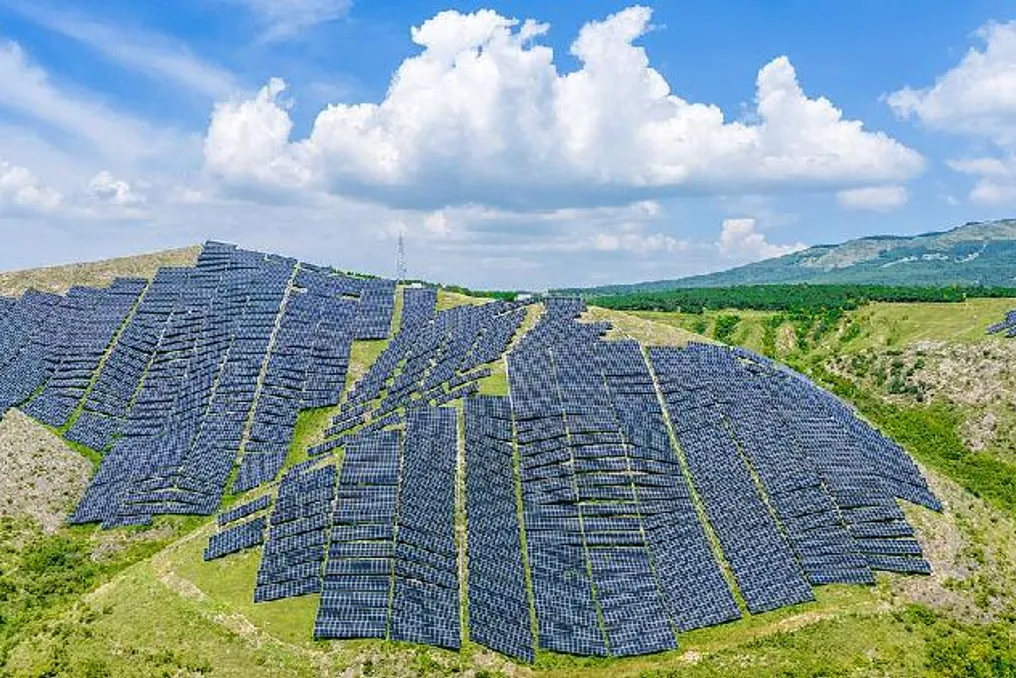
As an active participant in global climate governance, China has steadily expanded its renewable energy sector in recent years. By the end of July, solar power installed capacity in China reached 1.286 billion kilowatts, surpassing coal generation capacity for the first time and becoming the country's largest energy source.

China is also developing its national carbon market, which has become the world's largest in terms of traded greenhouse gas emissions. Large-scale production of solar modules, wind equipment, batteries, and other clean energy technologies has also contributed to expanding the global supply of renewable energy and reducing technological costs.

In 2025, China's import and export volume of green products exceeded $802 billion, accounting for 14.68% of total global green trade, placing China first globally in trade volume. According to a recent report on China's green trade development, energy-saving, low-carbon, and clean energy products accounted for 82.35% of China's green product exports.

Selwyn Hart, UN Secretary-General's Special Advisor on Climate Action and Just Transition, noted: 'Through innovation, production, and investment, China has helped transform the global clean energy landscape, making clean energy technologies more accessible worldwide.'

Climate change is a global problem requiring international cooperation. At COP30 in 2025, the Global Agenda for Climate Action defined 117 specific initiatives across six main areas, including energy, ecosystems, and agriculture, aimed at increasing climate resilience for both human societies and the natural environment.

COP31, which will take place in Antalya, Turkey, from November 9 to 20, will continue efforts to promote global climate cooperation. Turkey, as the host country, proposed a new electrification target—to increase the share of electricity in total final energy consumption from the current 20% to 35% by 2035.

UN calls on tech companies to strengthen commitments in the fight against climate change
Read more
noticiasaominuto.com

UN calls on tech companies to strengthen commitments in the fight against climate change

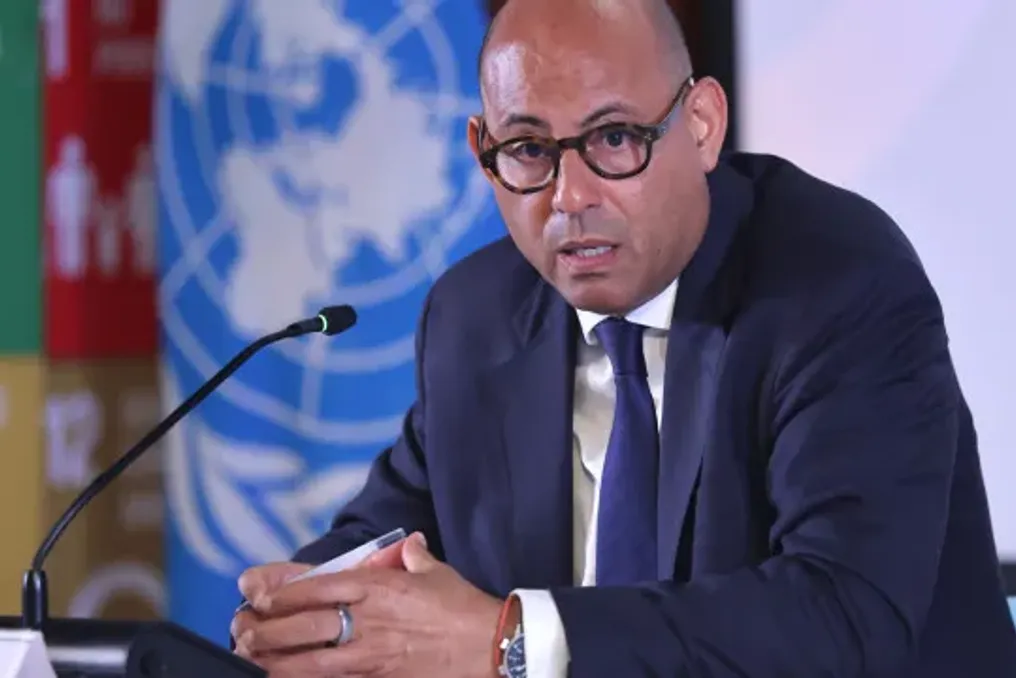
Simon Stiell spoke at the opening of the summit on accelerating industrialization in New York, which is part of the Industrial Transition Accelerator initiative launched at the UN Climate Summit (COP28) in Dubai. The goal of this initiative is to stimulate the decarbonization of the world's largest polluters.

He emphasized that artificial intelligence (AI) increases pollution caused by coal, oil, and gas, which warm the planet, and also raises energy costs for households and businesses.

Stiell stated that AI sector leaders are in a 'precarious position' as they are 'losing public support.' He added that 'tech giants must start demonstrating why the benefits of AI outweigh its exorbitant costs.'

Simon Stiell appealed to technology companies to take greater responsibility for climate action. He noted that 'if artificial intelligence can solve a mathematical problem in 90 years in just a few days, it can do much more to solve major climate problems.'

In particular, he highlighted the use of AI to enhance efforts to improve early warning systems for climate disasters or to accelerate grid efficiency.

Furthermore, the speaker stressed the importance of renewable energy, which allows avoiding millions in fossil fuel expenses. He recalled that last year, added renewable capacity reached a record high of 693 gigawatts.

He stated that any leader serious about fighting inflation, building a strong economy, and protecting their citizens must seriously address the reduction of fossil fuel use, which warms the planet and contributes to the climate crisis, and promote sustainability.

Recalling the global goal of limiting temperature rise to 1.5°C above pre-industrial levels, Simon Stiell warned that this goal will not be achieved. He noted: 'It is already clear that this limit will be exceeded, at least temporarily.'

Nevertheless, he stressed that 'UN-stimulated cooperation and national efforts' have lowered the projected global temperature rise from over 4 degrees to 2.6 degrees. He expressed regret, calling it 'undeniable, though insufficient progress to prevent catastrophe.'

Simon Stiell highly praised Turkey's chairmanship of the next UN Climate Summit, Conference of the Parties (COP31), which will take place in Turkey. He noted that a goal has been set to achieve 35% of global energy consumption from electricity by 2035. COP31 will be held from November 9 to 20 in Antalya.

UN Special Rapporteur assesses Mozambique's response to climate change
Read more
noticiasaominuto.com

UN Special Rapporteur assesses Mozambique's response to climate change

The visit of the UN Special Rapporteur to Mozambique, which will last until October 2, is aimed at gathering information on the impact of climate change on human rights and assessing how these rights guide existing and planned climate measures.

During the mission, the specialist will meet with representatives of the government, civil society, academic circles, UN agencies, the private sector, and other stakeholders, including communities affected by climate change.

The Rapporteur will also examine the role of international technical assistance, capacity building, and international financing in supporting the resilience and adaptation of vulnerable populations.

In a statement from the Office of the United Nations High Commissioner for Human Rights, it was noted that the Special Rapporteur looks forward to learning about the impact of climatic phenomena on human rights, as well as the role of international technical assistance, capacity building, and international financing.

Preliminary findings and recommendations from the visit will be presented on October 2 at a press conference at the headquarters of the Office of the United Nations High Commissioner for Human Rights in Maputo.

Mozambique is considered one of the countries most severely affected by climate change globally, as during the rainy season, which runs from October to April, the country cyclically faces floods and tropical cyclones.

According to the latest update from the National Institute for Disaster Management and Risk Reduction (INGD), published in early May, the number of fatalities reached 311 during the last rainy season, and approximately 1.07 million people were affected since October.

The Special Rapporteur's visit comes against the backdrop of Mozambique being among the top three Southern African countries of concern regarding the 2026/27 El Niño phenomenon, alongside Madagascar and Malawi. International organizations predict increased drought, food insecurity, and displacement.

The National Meteorological Institute forecasts a strong El Niño from November 2026 to April 2027, with reduced rainfall in the south and central parts of the country.

The need to strengthen preparedness and response is also driven by accumulated vulnerabilities: about 3.5 million people are in a state of acute food insecurity, and about 662 thousand are internally displaced persons, mainly linked to the conflict in Cabo Delgado.

The UN warns that the combination of drought, extreme temperatures, water scarcity, and disease outbreaks could exacerbate consequences for vulnerable populations, highlighting the importance of systems and equipment capable of forecasting and responding to emergencies.

Later, the Special Rapporteur will present a report on the mission to the UN Human Rights Council in June 2027, including their findings and recommendations regarding the situation in the country.

Popular