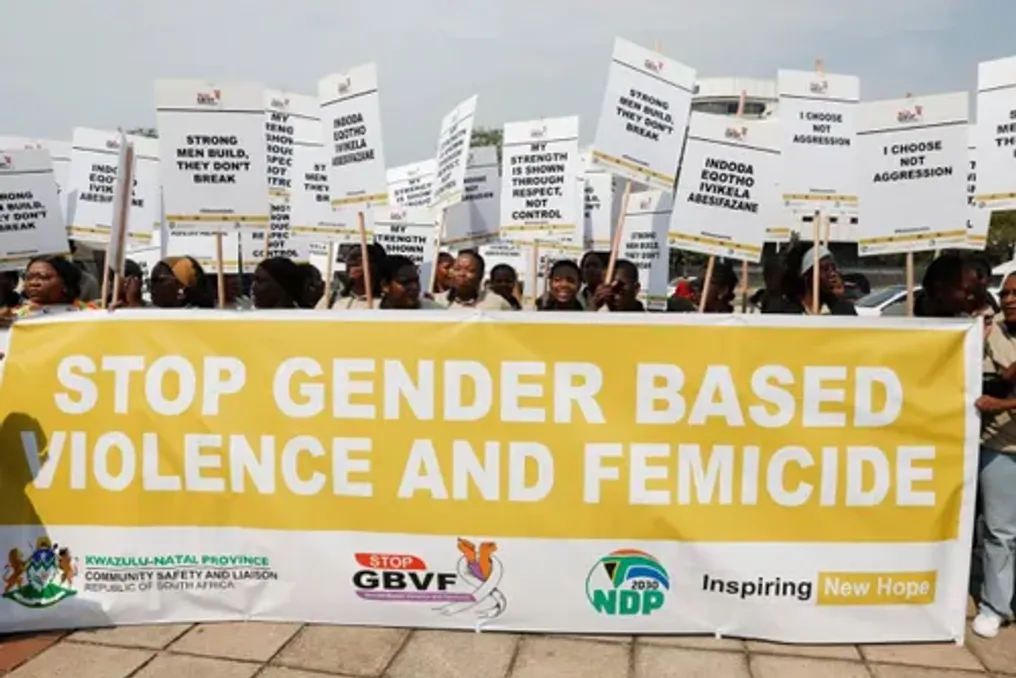
A recent series of high-profile rape cases in India has sparked nationwide protests and active discussions regarding women's safety. These incidents highlight how deeply entrenched patriarchal attitudes and an overburdened judicial system hinder the reduction of sexual violence, despite the adoption of stricter legislative measures.
This week, hundreds of students marched through the streets of New Delhi, demanding enhanced security measures following the latest high-profile incident. According to official sources, on Monday, three men posing as police officers allegedly committed a group rape of a 17-year-old girl in a public park in the city center.
This case brought back memories of the tragic 2012 incident where a group rape and murder occurred on a bus involving a 23-year-old physiotherapy student, which led to nationwide protests and the enactment of stricter laws against sexual violence.
However, activists argue that the amendments made, including expanding the definition of sexual offenses and introducing harsher penalties for rape, have proven insufficient. Women's rights activist Yogita Bhayana told AFP that 'no one is working on the real solution, which is changing mindsets.'
She noted that the mentality persists where the woman is blamed if she goes out late, or men are controlled if they are seen with another man, calling this 'outrageous.'
According to the latest official data, India recorded an average of 80 rape cases daily in 2024, which is higher than the approximately 68 cases per day in 2012, the last year before stricter laws came into effect. Activists believe the actual number of sexual assaults is significantly higher, as many victims do not file reports due to fear of stigmatization in a deeply patriarchal society.
Shortcomings in Law Enforcement
The alleged attack on Monday followed cases of rape and murder of a 16-year-old girl, whose body was found by the police in a decomposed state, as well as the alleged rape of a 17-year-old girl by a bus driver and conductor who offered her a ride during heavy rain. Both incidents occurred in recent weeks in Delhi, often called the 'rape capital of India,' but other regions are also susceptible to similar threats; a video showing sexual violence against a teenager surfaced this month in the eastern state of Bihar.
Each of these cases has led to arrests, political condemnation, and public outrage. Following the landmark 2012 case, the victim of which is nationally known as 'Nirbhaya' or 'Fearless' (as Indian law does not allow the press to publish the name of a rape victim), the government expanded the criminal definitions of penetration and consent. Group rape became punishable by a minimum of 20 years in prison, and the death penalty was introduced for repeat rape.
Lawyers and activists point out that the main problem lies in law enforcement. Criminal lawyer Shilpi Jain, representing survivors of sexual violence, told AFP that overburdened police forces and courts lack sufficient resources for thorough investigation, hindering the implementation of reforms. She stated: 'The problem is not the law, but the people who apply it.' She added that 'overburdened judges. Overburdened cops. One police station serves 200,000–300,000 people. How can this work? It's a vicious cycle.'
The conviction rate for rape in India has remained largely stable since 2012, fluctuating around a quarter of all cases that reach trial. However, the criminal justice system faces a massive backlog of cases. According to official data, less than 10% of the more than 200,000 rape cases pending in courts in 2024 have actually been concluded. Jain noted: 'An average rape case takes seven to eight years. If the case reaches the Supreme Court, it takes 20 years, so criminals lose their fear of the law, and victims lose hope.'
According to gender rights activist Poonam Muttredji, legal reforms alone are insufficient to solve a problem rooted in social attitudes and inequality. Experts note that deeply ingrained cultural taboos and political resistance have hindered the effectiveness of government awareness programs on sexual violence. Muttredji emphasized: 'Prevention must start long before the crime is committed: in homes, schools, communities, digital spaces, and in police systems.'