Before purchasing a game, it is not always easy to know if it offers features such as enlarged subtitles, narrated menus, or specific control options. To solve this issue, the Entertainment Software Association (ESA) launched an initiative aimed at standardizing and making this information more transparent.
Accessible Gaming Initiative
This project brings together several major companies in the sector to develop tags that specify which accessibility features are present in each title. The concept was initially presented during GDC 2025 and emerged from a partnership between Electronic Arts, Google, Microsoft, Nintendo of America, Sony Interactive Entertainment, and Ubisoft. Other companies that have joined the initiative include Amazon Games, Riot Games, Square Enix, and Warner Bros. Games.
The initial system comprises 24 tags, each associated with detailed criteria defining its applicability. Among the covered features are legible text, clear and large subtitles, narrated menus, the option to invert analog sticks, and the ability to save at any time.
The intention is for this data to be visible directly in virtual stores, on product pages, and in catalogs. This way, consumers with disabilities, their families, educators, and other buyers can check the available options before purchasing a game.
The tags were created based on suggestions and feedback provided by players with disabilities, accessibility focus groups, and the game development teams themselves. It is important to note that participation in this system is optional; each company decides when and how to implement it, and it can coexist with other accessibility classifications already on the market.
This initiative highlights a difficulty that occurs even before gameplay begins: the uncertainty about whether the game will be usable by the player. Although accessibility features are growing within games themselves, the lack of a common nomenclature hinders comparison between different titles. The tags aim to establish a more uniform communication for these characteristics.
Besides the benefit to the public, the proposal assists developers, as the project provides technical criteria for studios to understand which requirements must be met to use each tag.
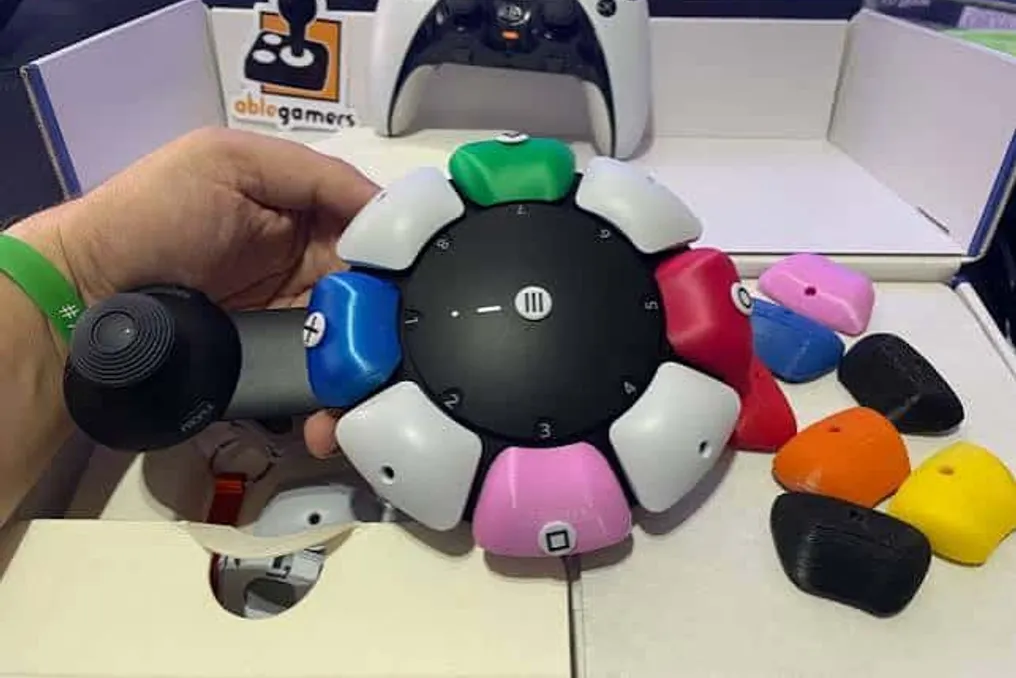
It is expected that the system will continue to evolve as new technologies and demands arise. In the Brazilian context, there are inclusion movements working to reduce other barriers to accessing video games. AbleGamers Brasil, for example, focuses on raising awareness about accessibility and distributing adapted controllers. In 2025, the organization reported providing assistance and distributing over 80 adapted controllers to people with disabilities.
Currently, the entity is promoting AbleGamersBR 2026, an online event scheduled for September 26th, which will feature six hours of programming, including discussions on accessibility and demonstrations of accessories and adapted controllers.