TCCIMA held a specialized meeting with Iranian commercial attachés in five countries
Read more
Tehran Times
www.tehrantimes.com

TCCIMA held a specialized meeting with Iranian commercial attachés in five countries

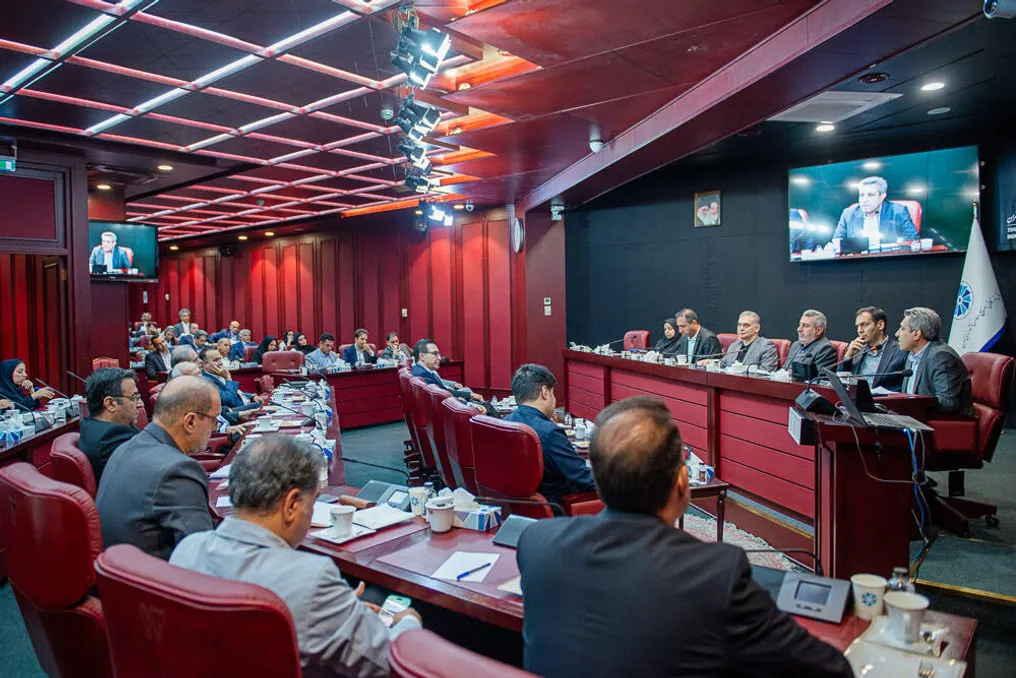
Six commercial attachés participated in the eighteenth meeting of the Committee for Trade Promotion and Development of the Tehran Chamber of Commerce, Industry, Mining, and Agriculture (TCCIMA) before departing for their assigned countries. The goal of the meeting was to present the attachés' plans and familiarize them with the requests and problems of participants in the economic sector.

The event emphasized shifting from formal procedures to practical activities based on the real needs of the private sector. This includes finding reliable trade partners, facilitating exports and imports, resolving obstacles related to currency, customs, and logistics, as well as strengthening continuous interaction between consultants and the private sector.

The meeting, which brought together economic figures and traders with commercial attachés from five regional and Asian countries, took place at the Tehran Chamber. The head of the Department of Commercial Attachés of the Organization for Trade Promotion and the President of the Iranian Export Confederation were present. Discussions covered topics such as the role of attachés in developing exports, attracting investment, establishing connections, resolving trade disputes, strengthening ties with the private sector, and removing barriers to exchanges with target countries.

At the beginning of the session, Mohammad Reza Ghaforollahi, head of the Committee for Trade Promotion and Development of the Tehran Chamber, commented on the duties of commercial attachés, noting that they include continuous market information on the destination country, promoting exports, attracting foreign investment, networking, resolving trade disputes, and supporting trade negotiations.

Ghaforollahi stressed that any solution provided for exporters or any assistance given to participants in economic activities would ultimately lead to generating foreign currency for the country and creating jobs. He also noted that attention must be paid to the role of consultants in the import sector, as a significant portion of the country's imports consists of raw materials necessary for production, and therefore facilitating imports contributes to the continuity and development of production.

The head of the Committee for Trade Promotion and Development of the Tehran Chamber, emphasizing the importance of interaction between consultants and economic entities, stated that the purpose of the meeting was to present the attachés' plans for their stay in the target countries, as well as providing an opportunity for economic entities to share their experiences, concerns, and problems. This will allow the attachés to begin their mission with a deeper understanding and a broader perspective. Establishing a connection between consultants and economic entities from the outset can ensure higher quality and more effective results from the attachés' activities.

Mohammad Lahuti, head of the Committee for Non-Resource Export Development of the Iranian Chamber, also spoke, stating that 'economic entities and responsible institutions must join forces to solve export problems.' He added that a commercial attaché can act as an intermediary and a link between traders from the country of origin and new markets, and this function is used in many countries, both developed and developing, to develop export markets.

Lahuti continued by mentioning that this structure has existed in the country for over two decades, but the activities of commercial attachés during this period have seen ups and downs. In some countries, consultants have established very good relationships with chambers of commerce, joint chambers, and economic entities, leading to market development, while in some markets these relationships have been less strong.

The President of the Iranian Export Confederation emphasized that although commercial attachés are appointed and dispatched by the Organization for Trade Promotion and the Ministry of Industry, Mining, and Trade, and their connection to the organization's policy is important, communication with the private sector, chambers of commerce, joint chambers, and Iranian traders must also become part of their work policy. The closer and better this interaction, the greater the achievements it will bring to the consultant for the country, and the wider the expansion of Iran's presence in foreign markets.
Similar stories

Consumers of expensive cars are increasingly choosing electric and hybrid options instead of gasoline ones
Read more
www.aajtak.in

Consumers of expensive cars are increasingly choosing electric and hybrid options instead of gasoline ones

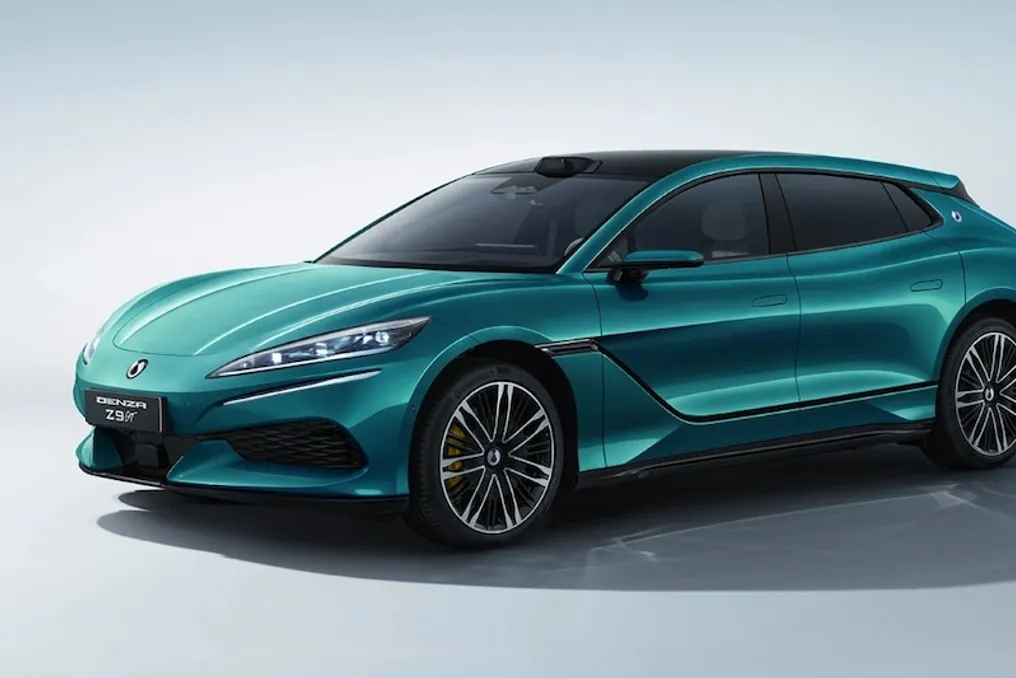
The adoption of electric vehicles is growing in the Indian market. Previously, consumers did not favor these cars due to range and charging infrastructure issues, but now they are becoming more sought after in the premium segment. If the choice of luxury car buyers was previously limited to gasoline models, there is now a growing popularity of electric vehicles (EVs).

When choosing a vehicle in the luxury segment, brand, design, and premium features remain priorities, but the type of powertrain—whether gasoline, hybrid, or electric—is also important. This is evidenced by the increase in the production of electric vehicles compared to initial models in the premium segment.

Nevertheless, this does not mean that the demand for gasoline cars has disappeared. According to statistical data, the gasoline engine remains the best-selling powertrain in the luxury car market. However, electric vehicles are rapidly gaining their niche, and hybrid cars are viewed by consumers as a practical alternative.

According to vehicle registration data, 26,688 cars were registered in the Indian luxury segment in the first half of the 2026-27 fiscal year, representing a sales increase of approximately 4% compared to the same period last year. There is an acceleration in the sales of electric vehicles in the luxury segment. BMW sold 2,359 electric vehicles from January to June 2026.

According to the company, the annual growth of its EVs reached 78%, and the share of electric vehicles in BMW's total sales reached 26%. Mercedes-Benz India reported that in the second quarter of 2026, the share of EVs in retail sales reached 14%.

These figures clearly demonstrate the growing popularity of electric powertrains among luxury car buyers, especially for city models. Although EV sales are growing rapidly, gasoline maintains a dominant position in the luxury car market. According to Mercedes-Benz, sales in the company's high-end portfolio increased by more than 20% in the first half of 2026. Simultaneously, the AMG Business division of Mercedes-Benz recorded a 50% growth, indicating that for lovers of expensive high-performance cars, not only electrification but also engine response and driving experience are important.

Avnit Singh Kohli, founder and managing director of AutoBest Imperio, notes that luxury car buyers are more open to electric vehicles because they see in them a combination of technology, comfort, and daily convenience. Nevertheless, Avnit also acknowledges that consumers who prefer traditional engines continue to choose gasoline cars. Hybrids, meanwhile, are becoming an option for those who wish to transition to electrification but are not ready to completely change their driving habits.

Factors that drive virtual item values to millions in the gaming market
Read more
olhardigital.com.br

Factors that drive virtual item values to millions in the gaming market

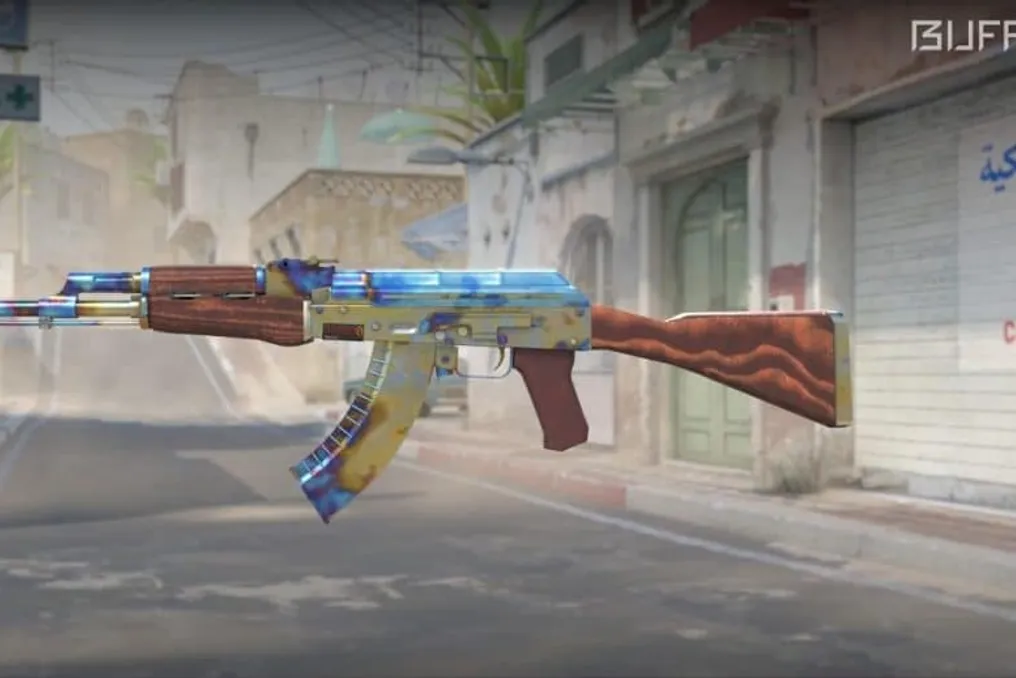
In June 2024, the gaming community was impacted by a notable piece of news: a weapon skin in CS, specifically the StatTrak Factory New AK-47 Blue Gem Standard 661, was traded for over US$1 million. However, this high value is not exclusive to this item or video games; it reflects a pattern with deep causes that transcend developer interests.

Several elements explain this appreciation. The first is scarcity. The probability of obtaining such items is extremely low. For example, the chance of getting a knife or glove is approximately 0.26%, while a specific pattern like 661 has an even lower chance. This rarity makes the item almost unique and visible to all community members, as Valve discloses official rarity probabilities for cases. Furthermore, the discontinuation of certain item cases increases their rarity and, consequently, player desire.

These circumstances lead to the second factor: status. In highly competitive games like CS2, this feeling is amplified and transmitted to thousands of players, both in tournaments and through influencers. In this context, owning an exceptionally rare skin is equivalent to having a luxury vehicle or designer clothing, conferring immediate prestige within the community.

Even a rare item in CS2 can acquire unique characteristics through patterns. Its appearance is generated based on a numerical identifier (pattern ID) and a wear level (float). Thus, every item of the same pattern presents a distinct design, and variants considered perfect attract collectors, driving up high prices.

All these factors are intensified by third-party markets, where users make purchases, sales, and transfer profits directly to their bank accounts. This ecosystem attracts not only players but also investors and speculators who acquire skins not to play with, but rather to profit from future appreciation, mirroring the functioning of the stock or art market.

It is crucial to differentiate between estimated value and actual value, as illustrated by the case of a Karambit Case Hardened Pattern 387. Although the item is valued up to US$2.5 million, there were offers reaching US$1.5 million. However, the owner rejected all offers, maintaining its valuation at US$2 million.

Nevertheless, until an item reaches the stipulated value and is paid for, any estimate remains theoretical. Even with offers close to that amount, the value can only be confirmed as real after the sale is finalized, remaining in the realm of speculation until then.

Despite the speculations and transactions not involving the developer, it maintains significant power over the market. A single action by Valve can generate major repercussions in this sector, which has already happened in the game's history.

In July 2025, Valve introduced a new set of gloves (character skins) from the Death Hand collection, causing a drastic change in prices. Previous gloves suffered a considerable loss in value, with some registering up to 30% depreciation due to the novelty factor. Additionally, Valve implemented a security feature that allows reversing item trades for up to seven days if the user proves they were a victim of fraud or hacking. Despite seeming beneficial, this measure resulted in a $600 million retraction in the market.

Later, in October 2025, an update allowed players to trade five 'covert' (red) weapons from the same collection for a knife or glove from the collection of one of the items used in the trade. Consequently, all knives lost substantial value, while red weapons saw a sharp increase in price. This modification deeply impacted the skin market, which was valued at $6 billion, but plummeted by $2 billion, causing significant financial losses for those using the market as an investment.

All this demonstrates how company decisions, even seemingly simple ones, enormously affect this market. Moreover, it is a billion-dollar market without volatility control mechanisms, such as circuit breakers or pre-announcement windows, which would serve to contain instability, while Valve can unilaterally modify the rules without prior notice.

Although it is a billion-dollar, dynamic, and fun market because it is embedded in a game, it is extremely volatile and lacks any control, including to protect its investors. The rules can be changed by the company regardless of the economic impact, and investors have no means to reverse or obtain compensation.

Another major problem lies in the fact that the player owns the skin, but it is intrinsically linked to a game sold as a service. This means that in a new version of the game, skins may lose value or even be completely removed (although this latter hypothesis has not yet occurred). Furthermore, if the service is discontinued, the game will cease to exist, extinguishing this entire market.

In summary, it is a very high-risk and volatile market, devoid of any system of control, compensation, or redress. Values are sustained by a combination of scarcity, status, and speculation, added to a market that is not under the control of the players. These are the factors that make this ecosystem extremely risky, requiring caution and moderation from anyone wishing to enter it.

China asserts it acts as a 'stabilizing force in times of instability'
Read more
noticiasaominuto.com

China asserts it acts as a 'stabilizing force in times of instability'

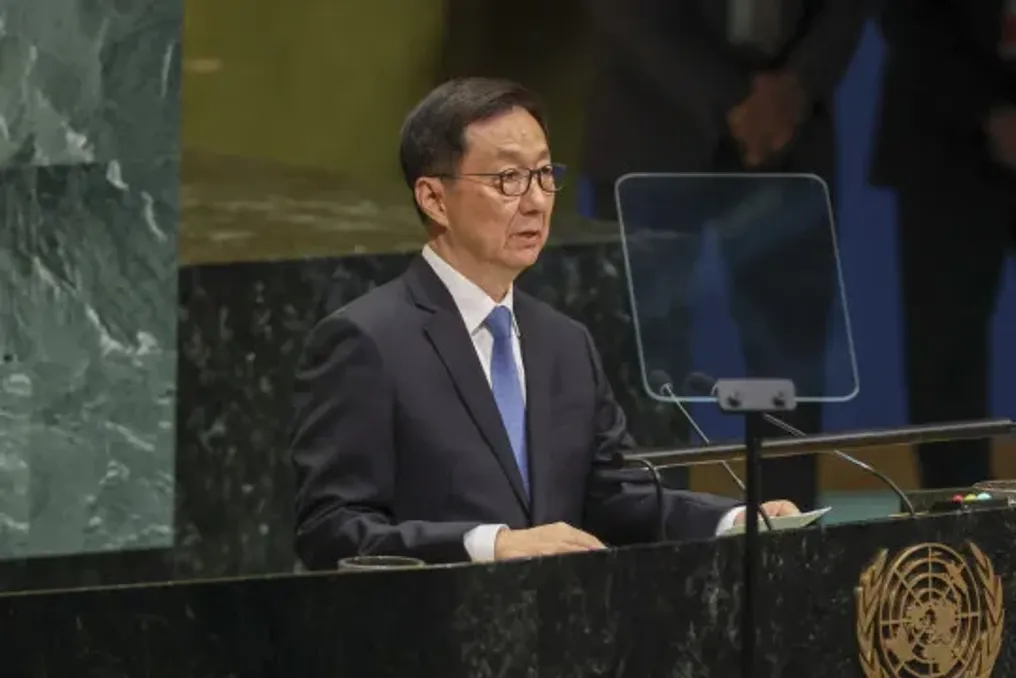
Han Zheng stated that China is a 'stabilizing force in times of instability' and advocated for a general concept of security based on cooperation rather than bloc confrontation.

The Chinese leader emphasized that major powers bear a special responsibility for maintaining international peace and security and must lead the adherence to established norms. He rejected 'unilateral military actions that violate the UN Charter without Security Council authorization' and called for respect for the sovereignty and security of Middle Eastern countries.

Han Zheng spoke on behalf of China despite his country's President, Xi Jinping, being on an official visit to the United States. He also called for the protection of world trade and the stability of industrial supply chains.

Before the UN General Assembly, the Chinese official defended the idea of artificial intelligence (AI), which should be 'oriented towards good' and have a 'human-centric' approach to help bridge the digital divide and benefit all nations.

In his speech, Han Zheng mentioned the 'new scientific and technological revolution,' driven by the 'dynamic development' of this technology, which has recently drawn attention due to industry leaders' concerns about losing control.

The Chinese representative stated that 'no country can prosper without an open environment based on cooperation,' noting that the country is engaged in a fierce dispute with the United States over control of AI.

Popular