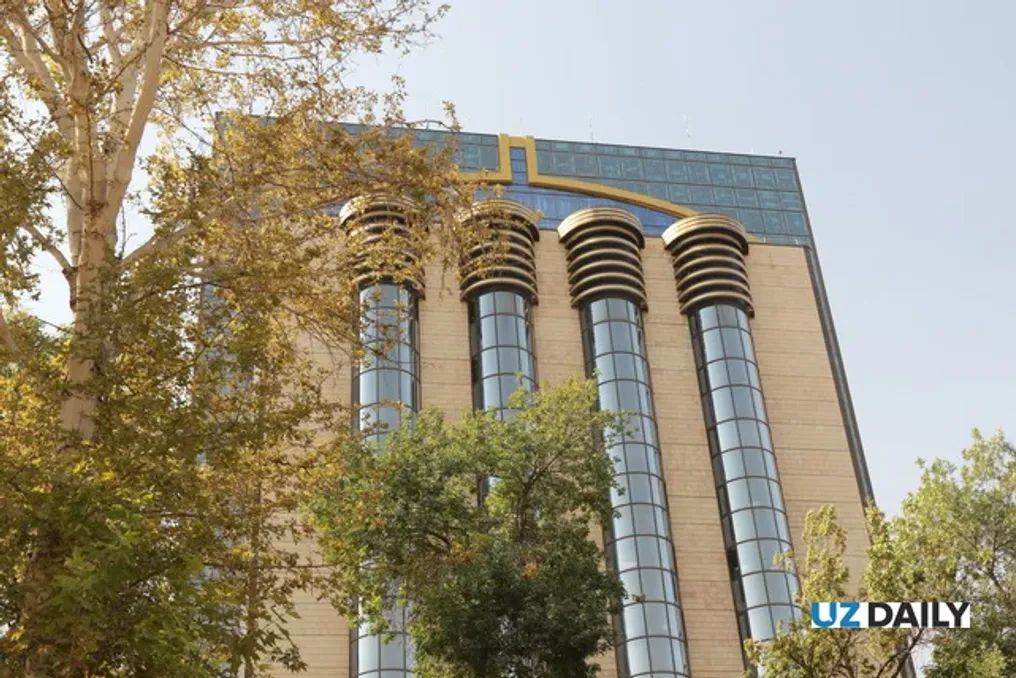
Net profit of Uzbekistan's banks grew by 68.1% year-on-year
Read more
UzDaily
uzdaily.uz

Net profit of Uzbekistan's banks grew by 68.1% year-on-year

The Central Bank of Uzbekistan reported that the country's banking sector recorded a net profit of 12.3 trillion soums as of August 1, 2026. This figure demonstrates a growth of 68.1% compared to 7.3 trillion soums the previous year.

During the reporting period, income from non-interest activities increased by 51.5%, and the net interest margin rose by 9.5%. Interest income grew by 18.3%, reaching 84.4 trillion soums, while interest expenses increased faster—by 22.1%, amounting to 60.8 trillion soums. Consequently, net interest income reached 23.6 trillion soums, exceeding 21.6 trillion soums last year.

Income from non-interest activities increased to 61.5 trillion soums from the previous 40.6 trillion soums. Meanwhile, non-interest expenses rose by 37.8%, totaling 20.3 trillion soums, and operating expenses grew by 26.9%, reaching 20.2 trillion soums. Net income from non-interest activities more than doubled, increasing from 9.9 trillion soums to 21 trillion soums.

Banks increased their reserves. Expected losses on loans and leases amounted to 21 trillion soums compared to 15.6 trillion soums the previous year, and expected non-credit losses reached 9.5 trillion soums, up from 7 trillion soums.

Pre-tax profit in the sector increased by 57.5%, reaching 14.1 trillion soums. Income tax expenses grew by 8.8%, reaching 1.7 trillion soums.

The return on assets (ROA) ratio, calculated as the ratio of pre-tax profit to total assets, improved from 1.89% to 2.5%. Similarly, the return on equity (ROE) ratio grew from 10.43% to 14.83%. However, the ratio of net interest income to total assets decreased from 4.34% to 3.98%, and the net interest margin relative to assets decreased from 4.57% to 4.2%.

The ratio of net interest income from loans to the loan portfolio was 6.28%, which is lower than the previous year's figure of 6.42%.

The majority of the sector's profit was generated by the largest banks. Twelve banks with assets over 30 trillion soums earned 8.4 trillion soums, accounting for 68.2% of the sector's total net profit, with an ROE of 13.1%. Ten banks with assets between 10 and 30 trillion soums generated a profit of 3.1 trillion soums, and their ROE reached 22.3%. Seven banks with assets between 3 and 10 trillion soums registered a profit of 771 billion soums with an ROE of 21.9%. The five smallest banks, whose assets do not exceed 3 trillion soums, earned 37.5 billion soums, and their ROE was 2.4%.
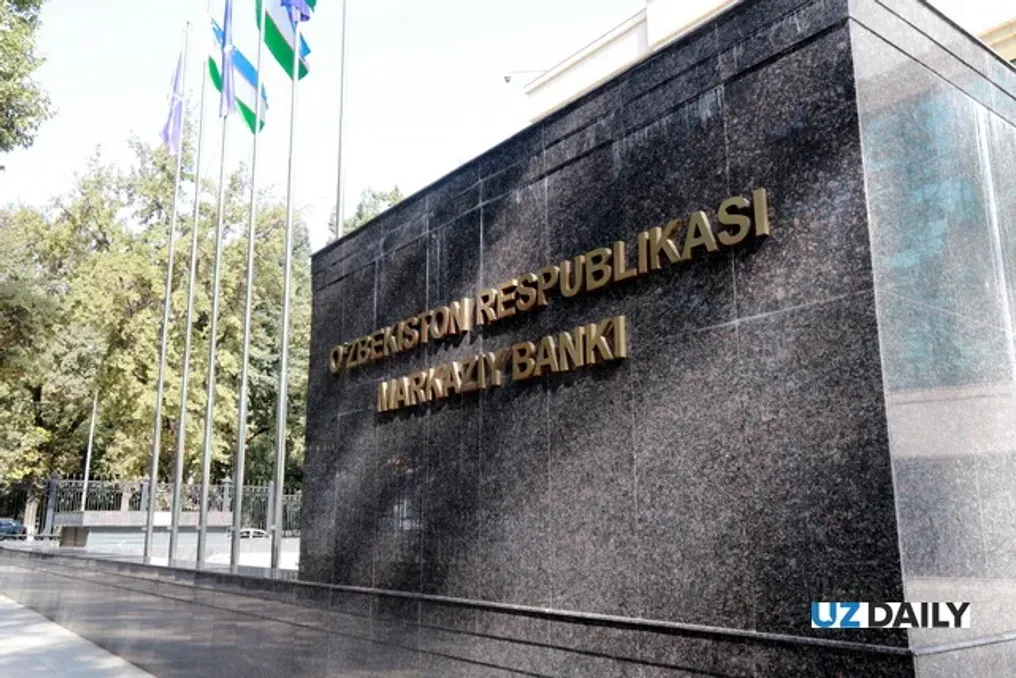

Similar stories

Bank deposits in Uzbekistan grew by 33.9% year-on-year
Read more
uzdaily.uz

Bank deposits in Uzbekistan grew by 33.9% year-on-year

According to data from the Central Bank of Uzbekistan, bank deposits in Uzbekistan reached 482.7 trillion soms as of August 1, 2026, representing a growth of 33.9% compared to the previous year. Over the same period, the portfolio of loans in the banking sector increased by 11.9%, totaling 644.6 trillion soms. This indicates that the growth in deposits almost three times outpaced the growth in loans.

During the year, the ratio of loans to deposits in the banking system decreased from 159.9% to 133.6%. In state-owned banks, this ratio fell from 211.5% to 170%, while in other banks, it decreased from 105.1% to 95%.

Short-term deposits with maturities of up to one year showed the fastest growth, increasing by 45.8% to reach 175.7 trillion soms. Demand deposits grew by 33%, amounting to 142 trillion soms, while long-term deposits with maturities over one year increased by 24% to 164.9 trillion soms. Consequently, the share of short-term deposits in the total deposit volume rose from 33.4% to 36.4%, and the share of long-term deposits decreased from 36.9% to 34.2%. Demand deposits accounted for 29.4%.

Corporate deposits amounted to 297.5 trillion soms, and individual deposits to 185.2 trillion soms. Deposits denominated in the national currency increased by 42.6% to 390 trillion soms, while foreign currency deposits grew by 6.6% to 92.7 trillion soms.

UzNatsBank, with 58.4 trillion soms, Kapitalbank with 48.9 trillion soms, and Agrobank with 43 trillion soms held the largest deposit bases.

The liquidity of the banking sector improved during the year. High-quality liquid assets increased by 52.8%, reaching 222.8 trillion soms, and their share of total assets rose from 17.8% to 22.7%. The liquidity coverage ratio increased from 206% to 265.4%, and the net stable funding ratio rose from 117% to 133.1%. The minimum required level for both ratios is 100%. Meanwhile, the immediate liquidity ratio decreased from 121.8% to 98.7%, with a minimum requirement of 25%.

The capital adequacy ratio of the banking sector increased from 17.5% to 18.4%, and Tier 1 capital adequacy increased from 14.6% to 15.4%. Regulatory capital grew from 140.3 trillion to 168.3 trillion soms.

Investments of Uzbek insurance companies grew by 28.8% to 10.740 trillion soums in the first half of 2026
Read more
uzdaily.uz

Investments of Uzbek insurance companies grew by 28.8% to 10.740 trillion soums in the first half of 2026

The total volume of investments by Uzbekistan's insurance organizations increased by 28.8%, reaching 10.740 trillion soums in the first half of 2026. This figure is higher than 8.340 trillion soums the previous year, according to data from the National Agency for Advanced Projects (NAPP). The growth rate of investments generally corresponded to the increase in insurance premiums, which rose by 28.6% over the same period.

Structure of Investment Portfolios

The structure of insurers' investment portfolios changed significantly during the year. Bank deposits maintained the largest share, increasing from 60.9% to 65.1% of the total portfolio. In absolute terms, deposits grew by 37.6%, amounting to 6.991 trillion soums, and remained the main driver of all investment growth.

Conversely, the share of investments in securities decreased from 16.7% to 14.2% of the portfolio. However, in absolute terms, such investments increased by 9.7%, reaching 1.525 trillion soums.

A similar trend was observed in real estate investments. Their share decreased from 18.7% to 16.5%, while the absolute value of these investments increased by 13.9%, totaling 1.773 trillion soums. In both cases, the growth of investments was slower than the expansion of the overall portfolio, leading to a decrease in their percentage shares.

Investments in company charter capital shares decreased both relatively and absolutely, falling by 25.7% to 78.7 billion soums. Their share in the portfolio dropped from 1.3% to 0.7%.

Loans also showed a decline, decreasing by 23.5% to 38.1 billion soums, and their share fell from 0.6% to 0.4%.

The 'other investments' category showed the fastest growth among all types of investments, more than doubling by 111.4% to reach 333.8 billion soums. Despite this significant increase, it remained the smallest component of the insurers' portfolio, only surpassed by loans.

Overall, the structure of investments by Uzbekistan's insurance organizations in the first half of 2026 showed an strengthening role of bank deposits against the relative decrease in the share of securities and real estate. The total portfolio continued to grow at a rate close to the pace of growth of insurance premiums.

Uzbekistan's total credit balance reached 644.6 trillion sums
Read more
uzdaily.uz

Uzbekistan's total credit balance reached 644.6 trillion sums

According to data on outstanding loans by category, the total outstanding loan balance issued to individuals and legal entities in Uzbekistan amounted to 644.6 trillion sums as of August 1, 2026. This figure showed an increase of 6.7% compared to the beginning of the current year.

In the segment of loans to individuals, the outstanding balance reached 239.8 trillion sums, which is an increase of 8.9% since the beginning of the year. This segment became the fastest-growing among the main categories of the credit portfolio.

Mortgage loans accounted for the largest share in the retail portfolio, with their outstanding balance increasing by 11% to reach 88.1 trillion sums. The balance of microloans grew by 4.7% to 51.1 trillion sums, and the balance of microcredits increased by 15.5% to 46.7 trillion sums. Auto loans grew by 2% to 40.5 trillion sums.

The only retail lending category that showed a decrease was educational loans, whose outstanding balance decreased by 1.3% to 6.8 trillion sums. Consumer loans increased by 3.3% to 508 billion sums. The most significant growth among all individual loan categories was recorded for other loans, including credit cards and overdrafts, whose balance grew by 33.5% to 5.9 trillion sums.

Regarding loans to legal entities, their outstanding balance as of August 1 was 404.8 trillion sums, which is 5.5% higher than at the beginning of the year. The main part of this segment is comprised of loans to legal entities that are not credit institutions, and their balance increased by 4.9% to 377.5 trillion sums.

Interbank loans showed the fastest growth among corporate credit categories, increasing by 58.2% to 1 trillion sums, although this category remains relatively small in absolute terms. Leasing and factoring balances grew by 27.5% to 4.9 trillion sums, and microcredits for legal entities increased by 22.1% to 17.9 trillion sums. Syndicated loans were the only category to record a significant reduction, with their outstanding balance decreasing by 26.1% to 3.5 trillion sums.

Popular