Uzbekistan and Startup Genome Discuss Startup Ecosystem Development
Read more
UzDaily
uzdaily.uz

Uzbekistan and Startup Genome Discuss Startup Ecosystem Development

As part of the ICT WEEK Uzbekistan 2026 event, Uzbekistan and Startup Genome held discussions on the development of the national startup ecosystem and its international promotion.

Tashkent, Uzbekistan (UzDaily.uz)

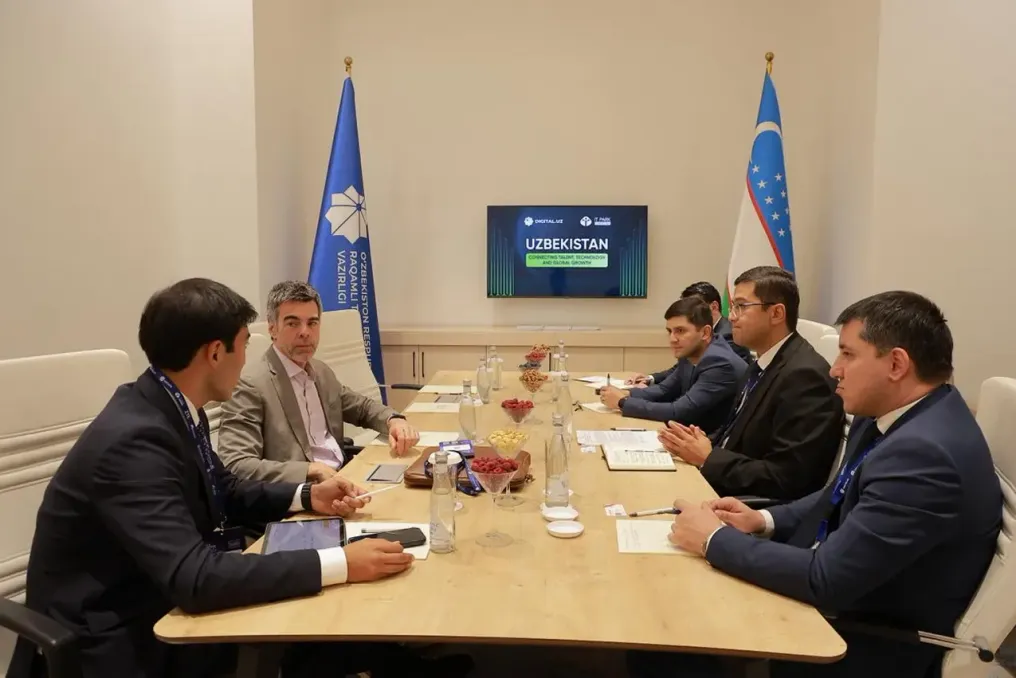
The First Deputy Minister of Digital Technologies, Ayubkhon Sultanov, met with the founder of Startup Genome, Jean-François Gautier. The parties discussed opportunities to strengthen Uzbekistan's position in the Global Startup Ecosystem Report (GSER) and in other international rankings.

Particular attention was paid to increasing the accessibility of information about the Uzbek startup ecosystem for foreign investors, as well as enhancing the country's international recognition on the global startup scene.

Startup Genome is an international organization based in San Francisco that researches and develops startup ecosystems. The organization analyzes data from over 350 ecosystems and more than 5.5 million startups.

Furthermore, Startup Genome provides strategic consulting services to government bodies and innovation institutions in more than 65 countries. One of the key research products of this organization is the annual Global Startup Ecosystem Report.

Following the meeting, the parties agreed to continue comprehensive analysis of the Uzbek startup ecosystem and improve its development indicators based on international benchmarking. They also intend to continue joint efforts to strengthen Uzbekistan's position on Startup Genome's global research and rating platforms.

Similar stories

IT Park and K-ICT Discuss Startup Support Formats and Expansion of Technological Cooperation Between Uzbekistan and South Korea
Read more
uzdaily.uz

IT Park and K-ICT Discuss Startup Support Formats and Expansion of Technological Cooperation Between Uzbekistan and South Korea

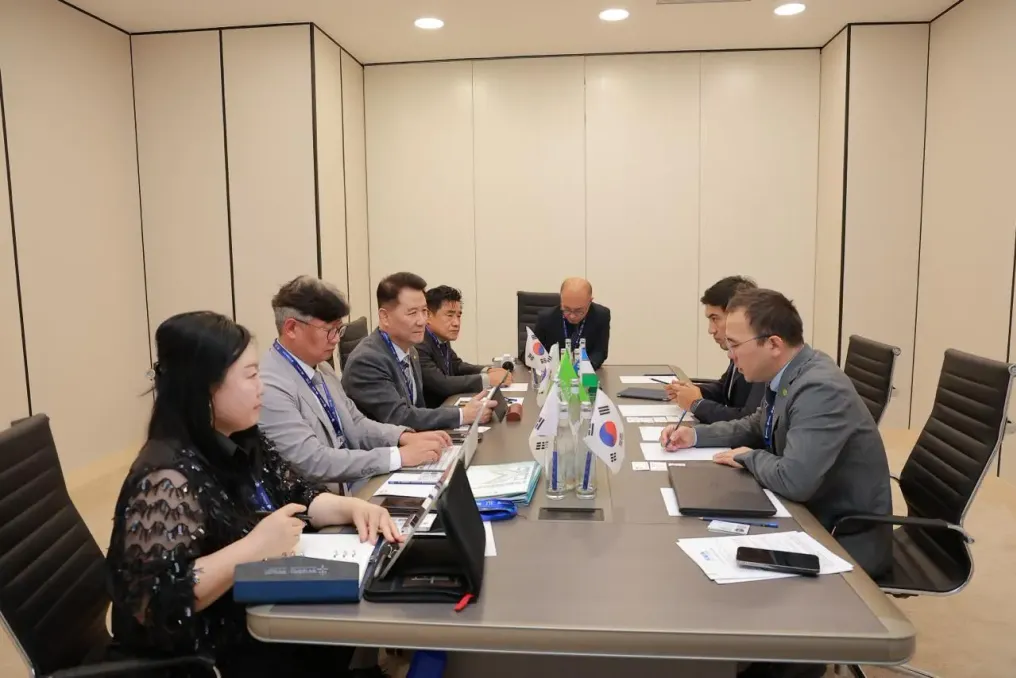
Representatives from IT Park Uzbekistan and the Korea ICT Entrepreneurs Association held discussions on new formats for startup support, as well as the expansion of technological interaction between Uzbekistan and South Korea. This meeting took place within the framework of the ICT WEEK Uzbekistan 2026 event.

The negotiations involved Farrukh Erkinov, Director of IT Park Uzbekistan for Startup Ecosystem Development, and Lee Seong Hwan, Chairman of the Korea ICT Entrepreneurs Association. The parties focused on developing acceleration and incubation programs, supporting technology companies, and strengthening ties between the ICT ecosystems of the two countries.

Proposal for an Acceleration Program

Lee Seong Hwan stated that his association is ready to organize an acceleration and incubation program for Uzbek startups in Chungcheongnam-do province. It is expected that this program will help participants better understand the Korean market, familiarize themselves with the local ecosystem, and establish contacts with potential partners.

In turn, Farrukh Erkinov presented the "Land of Startups" program, the launch of which is scheduled for 2027. The representative of IT Park Uzbekistan invited Korean startups, including teams from Chungcheongnam-do province, to participate in this initiative.

Discussion on Further Cooperation

Participants also considered the possibility of attracting companies from the K-ICT network to Uzbekistan, organizing business meetings between Uzbek and Korean technology firms, conducting business missions, and implementing joint pilot projects.

The Korea ICT Entrepreneurs Association unites about 400 ICT companies and specializes in technological cooperation, establishing business ties, holding expert events, and international business missions.

Chon Min Hwan, CEO of KP HUB Company; Sok Hee Lee, Director of Namsool University INTER/KR; and Chon Ik Lee, a journalist from Seoul Shinmun with a PhD in Public Administration, were also present at the meeting.

Following the negotiations, the parties reached an agreement to continue dialogue regarding expanding bilateral acceleration and incubation opportunities, assisting startups in entering each other's markets, and developing technological cooperation between Uzbekistan and South Korea.

Uzbekistan Discusses Pharmaceutical Industry Development at International Congress
Read more
uzdaily.uz

Uzbekistan Discusses Pharmaceutical Industry Development at International Congress

In Tashkent, Uzbekistan, the fifth International Congress of Pharma Uzbekistan & Central Asia discussed the prospects for developing the country's pharmaceutical industry, including expanding production and implementing modern technologies.

The event was held with the participation of the Agency for the Development of Medical and Pharmaceutical Industry and gathered over 150 delegates from Central Asia and other countries. Participants included manufacturers, regulators, representatives of international organizations, experts, and investors.

Importance of Quality and Standards

Alisher Temirov, Director of the Center for Pharmaceutical Product Safety, emphasized the critical importance of ensuring product quality and safety, as well as the need to implement international standards and create modern production facilities during the congress.

According to Temirov, the pharmaceutical industry is undergoing active transformation. The main directions of this process include creating new production sites, modernizing existing enterprises, and integrating advanced technologies and digital solutions.

Participants stressed that patient safety and human health must remain a priority in any new project. The quality, reliability, and effectiveness of medicines were defined as key conditions for the sustainable growth of the pharmaceutical sector.

Reforms and Regulation

The congress also featured discussions on reforms being implemented in Uzbekistan to strengthen the pharmaceutical sector, increase domestic production, attract investment, and introduce innovative methods.

Special attention was paid to improving the regulatory framework governing the circulation of medicines and strengthening control at all stages—from manufacturing to sale. Furthermore, participants discussed the further development of pharmacovigilance and post-registration monitoring systems.

At the conclusion of the congress, participants noted the importance of experience exchange to enhance the competitiveness of the pharmaceutical industry, expand international cooperation, and form a modern and safe drug production system in the region.

Uzbekistan's '1000 Genomes of Uzbekistan' Project to Join BIOME Cellular Technology Center
Read more
uzdaily.uz

Uzbekistan's '1000 Genomes of Uzbekistan' Project to Join BIOME Cellular Technology Center

The '1000 Genomes of Uzbekistan' project will become part of the new BIOME Cellular Technology Center being established in the country. This center will integrate research in genomics, bioinformatics, artificial intelligence, and medical product development.

A memorandum on the project's implementation was signed in Seoul on September 14th in the presence of the presidents of Uzbekistan and South Korea. The BIOME Center will be based at the Advanced Technologies Center of the Academy of Sciences of Uzbekistan.

It will serve as a comprehensive technological platform covering the collection and study of cellular material, the creation of cell products, and their subsequent application in clinical practice. A key element of the infrastructure will be a biobank for storing collections of cellular material and providing samples for scientific research.

Genomic technologies will be used to study the properties and stability of cell lines, while bioinformatics and artificial intelligence will be employed to analyze large volumes of biomedical data to identify new medical solutions.

The developed cellular technologies are planned for use in treating tumors, regenerating damaged tissues, and therapy for diseases where existing methods are insufficiently effective.

Part of the necessary infrastructure is already operational: the first stem cell bank in the country has been created at the Advanced Technologies Center, storing over 1200 samples. Developed cell products are used for treating burns, tissue regeneration, as well as in maxillofacial surgery and ophthalmology. Additionally, a drug based on NK cells has been prepared to combat cancer.

The future BIOME infrastructure will also include the '1000 Genomes of Uzbekistan' project. Within this project, data from over 1200 participants have been collected, containing approximately 10 million genetic markers. This database is used to build a genetic map of the country's population, assess disease risks, and advance personalized medicine.

The creation of BIOME will allow for the consolidation of existing developments and data into a unified scientific and technological infrastructure, expanding the scope of genomic and cellular research in Uzbekistan.

Popular