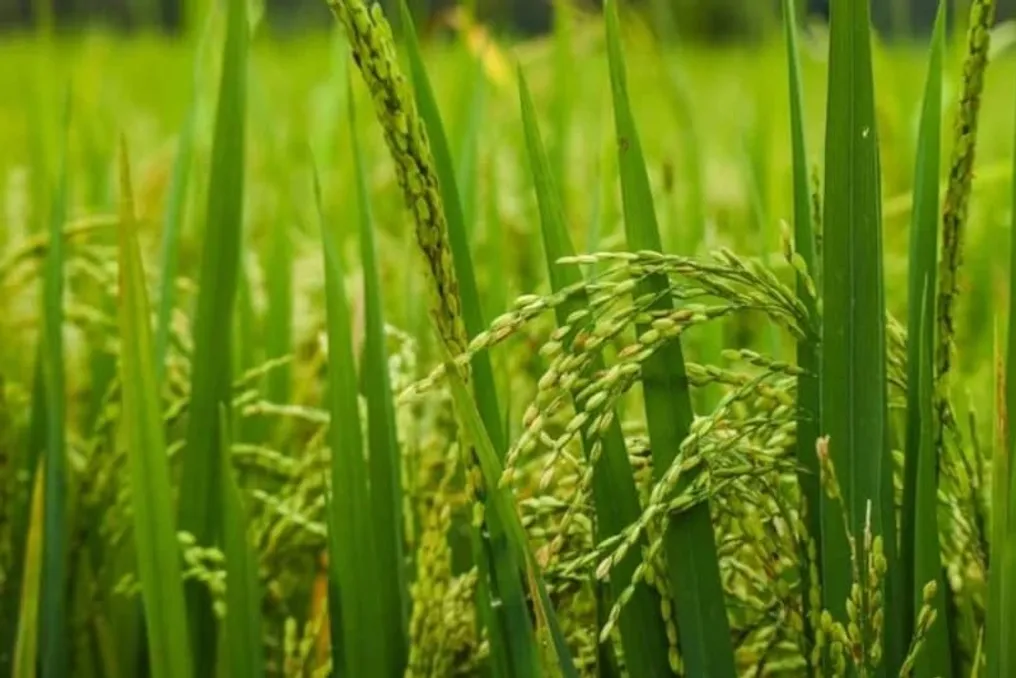
Rice is actively growing in the North-Eastern provinces. In many areas, rice panicles have begun to form and fill with milk, but farmers are facing several problems along with this. Rice crops are affected by various diseases and insects.
Many farmers note that the problems persist even after applying pesticides, and if pests appear once, they return after the smell of chemicals disappears. Furthermore, frequent use of pesticides can be harmful to health. Due to lack of information, many farmers lose their harvest, and months of labor and costs are nullified. However, here is a natural method that can quickly solve this problem and allow your rice crop to remain lush.
Experts point out that when the rice panicle emerges or the grains fill with milk, pests such as the gandi bug (smelly insect), other insects, and the pinyule mite often attack. Traditional and organic approaches can be used to protect against them.
There are several methods:
- Neem oil spray: Thanks to the bitterness and strong odor of neem, insects run away from it, and their eggs are destroyed. You need to mix 400 ml of pure neem oil and 1 tablespoon of liquid dish soap in 200 liters of water, and then spray the rice field over one acre.
- Sprinkling ash from dry wood: This ancient and effective traditional method helps repel gandi bugs and caterpillars. In the morning, when dew settles on the rice panicles, you should walk through the field and sprinkle fine ash from wood or fuel briquettes. The dew causes the ash to stick to the panicles and insects, preventing them from sucking sap from the grain, and they fly away.
- Spraying with fermented dairy product (matkha): Old and sour yogurt serves as an excellent natural fungicide and insecticide. Mix 3–4 liters of very sour yogurt, aged 15 days or more, with 150 liters of water and spray the panicles over one acre.
- Cleaning field edges: Insects such as the gandi bug initially live in tall grass and weeds growing around the field before attacking the panicles. As soon as harvest time comes, it is necessary to immediately clear the grass and weeds growing at the edges and along the field margins to deprive pests of hiding places.
It is important to remember that when spraying, it should be done before 8 AM or after 5 PM. Spraying during the hot midday is to be avoided. If the pest attack becomes very serious (more than two insects per 10 panicles), you must immediately consult an agronomist to save the harvest.