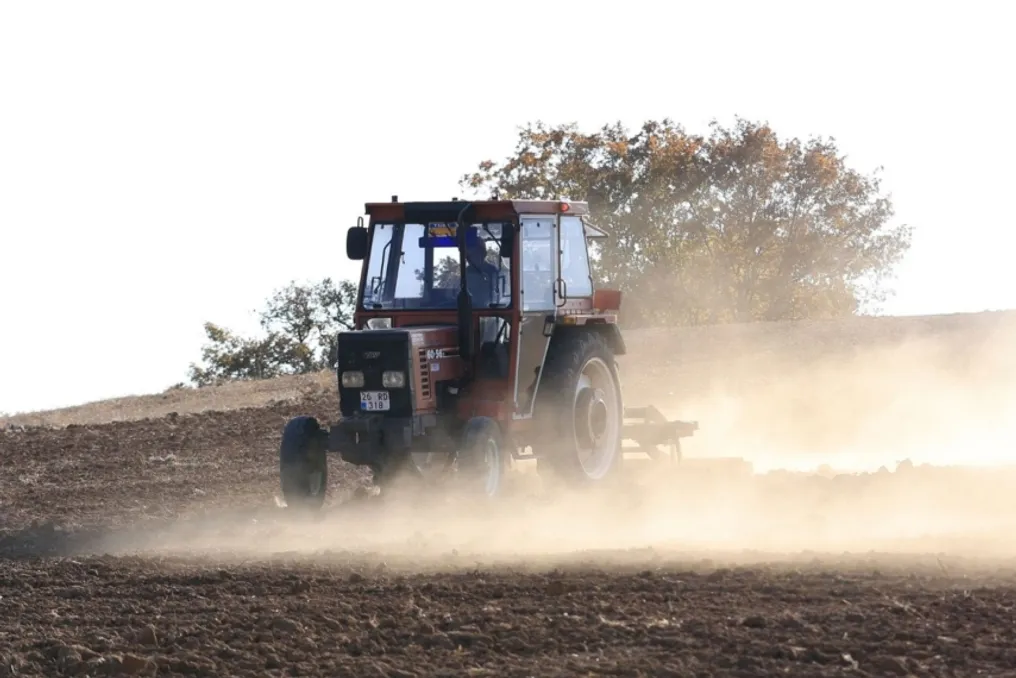
Rising operating costs force South African farmers to cut jobs
Read more
Food For Mzansi
foodformzansi.co.za

Rising operating costs force South African farmers to cut jobs

Growing agricultural expenses are putting significant pressure on South African farmers, negatively impacting their daily operations. Farmers point to difficulties related to various cost items, including electricity prices, high wages, fertilizers, and the need to postpone certain tasks due to financial strain on the farm.

The sharp rise in prices places a serious burden on farmers who use agricultural machinery such as tractors, irrigation systems, and generators that require diesel, gasoline, and electricity to function.

Llewelyn Louw, a poultry farmer in the Free State, explained that the constant increase in operating costs, specifically fuel and electricity prices, affects his farm. He emphasized that electricity is indispensable for heating, ventilation, lighting, and maintaining the health of the poultry, so it cannot be reduced.

Louw noted that any increase in electricity tariffs raises production costs. Fuel is also a major expense because it affects the cost of transporting feed, chicks, and finished products. These increases continue to intensify pressure in a challenging operational environment.

For Simangele Makutu, a vegetable farmer in Bushbuckridge, the greatest pressure comes from rising fuel costs. She stated that as a producer of fresh produce, she needs to quickly deliver her harvest to markets in Bushbuckridge, Hazview, and Mbombela, and the increase in fuel prices leads to losing most of her profit just on transport costs.

Makutu also added that increased wages and fertilizer costs affect her operations. Since fertilizer prices have doubled, she is forced to buy less of it, which reduces the yield. For example, instead of the previous 100 bags of spinach, she harvests only 60–70 bags due to the inability to purchase enough fertilizer. Furthermore, despite wanting to hire more youth from her community, the increase in the minimum wage only allows her to employ two workers instead of four.

Meanwhile, Ngobile Humalo, a poultry farmer from the Northern Cape, shared how she is coping with the high cost of living. She reported that profits have dropped, and they are running the business merely to survive. Due to job scarcity, they had to lay off two employees, which was a painful decision because they could not afford to pay them.

Jabhu Malangu, president of the National Association of African Farmers (Nafu) in Mpumalanga, stated that while South Africa is not immune to global problems, a more proactive approach from the government is required. He insisted on the need to develop specific plans to protect farmers in the country.

Malangu noted that all types of raw materials are struggling to maintain their operations, and some farmers are forced to reduce staff due to an inability to pay salaries. He stressed that a farmer starts their day before dawn, but already faces high costs for diesel, fertilizers, and transportation.

He proposed that the government introduce a temporary and financially justified reduction in the general fuel excise duty during sharp price increases, while simultaneously providing targeted assistance in transport and agricultural resources to low-income households, small farmers, and food distributors. Malangu expressed regret over the upcoming fuel price hike in October, recalling that South Africa previously used temporary fuel excise reductions to mitigate the impact on the population and limit inflationary pressure and rising strain. He concluded that now is the time for practical action, not just declarations, as protecting farmers and the food system will also protect households from inflation, high interest rates, and major hardships.

Similar stories

How South African farmers can protect profits amid rising resource costs
Read more
foodformzansi.co.za

How South African farmers can protect profits amid rising resource costs

While farm success was previously determined by weather and yield, in 2026, rising production resource costs are becoming a priority. Daniel Rossouw, Head of Agricultural Sales at Nedbank, analyzes the economic factors shaping South Africa's agricultural sector and offers producers strategic ways to protect their profits.

Successful farming operations rely on a careful balance of energy, labor, and raw material expenses, which is critical for business survival. Rossouw, with nearly 35 years of experience in agricultural finance, notes that the 2025–2026 period represents one of the most challenging economic landscapes for this sector.

Agricultural enterprises face not a single isolated factor, but cumulative cost pressure across several key areas. Rossouw explains that in 2026, the greatest pressure comes from combined resource prices, including energy, labor, logistics, and finance, rather than any single type of expense. He emphasizes that the severity of these issues varies greatly depending on the specific commodity.

Among the main resources, fertilizers stand out as a significant source of pressure, especially for grains, oilseeds, sugar, and horticulture. In standard grain systems, fertilizers account for 20% to 35% of resource costs, and significantly more in high-intensity operations. According to the latest estimates, fertilizer prices have risen by up to 50% compared to the same period last year.

Since South Africa imports over 80% of its fertilizer needs, local prices are closely linked to global trends in crude oil prices and exchange rate fluctuations.

Fuel presents similar difficulties. Diesel accounts for up to 15% of resource costs in grain production, and because about 70% of diesel fuel in the country is imported, farm expenses are directly dependent on global oil markets.

In addition to energy and fertilizers, other necessary operating costs are steadily increasing:

  • Electricity and utilities: Although power outages have ended for an extended period, electricity tariffs continue to rise. This heavily impacts irrigated agriculture and high-value crops. While more farmers are investing in solar and alternative energy sources, such solutions require significant initial capital investment.
  • Labor dynamics: This is particularly important in labor-intensive, high value-added sectors such as horticulture, viticulture, and sugarcane. Labor costs include not only rising base wages. Increases in the minimum wage, persistent shortage of skilled personnel, and variable productivity make these sectors especially vulnerable to margin compression.
  • Crop protection: Active chemical ingredients are strongly tied to international commodity prices and the US dollar. Unlike optional farm expenses, reducing chemical use directly increases production risks, leaving little room for cost adjustments.

To cope with this pressure, Rossouw insists that producers must expand their financial monitoring beyond traditional metrics such as current commodity prices and local rainfall. Over the next twelve months, farm profitability will be determined by the dynamic interaction of macroeconomic forces.

He points to several critically important variables requiring close attention:

  • Interest rates and inflation: Although potential rate easing offers hope for relief, persistent inflationary spikes could delay further rate cuts, sustaining high financing costs.
  • Exchange rate stability: The Rand has recently shown strong resilience, but currency markets remain inherently volatile and require constant risk management.
  • Geopolitical turmoil: Fuel, oil, and fertilizer markets remain highly sensitive to international conflicts and global supply disruptions.
  • Climate change: Early signs and warnings of the El Niño cycle indicate increased production risks in the 2026 and 2027 seasons.
  • Municipal and infrastructure overheads: Rising municipal tariffs, water costs, and localized power restrictions continue to limit expansion in high-growth and export-oriented regions.

Essentially, managing modern agricultural risks requires looking at the big picture and preparing for economic instability even before purchasing resources or sowing seeds. As market conditions change, it is crucial to collaborate with a financial partner who understands these macroeconomic shifts to maintain liquidity and structural stability.

To learn how Nedbank can become a partner to your agricultural business and support your strategic planning for the 2026–2027 seasons, contact business@nedbank.co.za or reach out directly to your regional Nedbank business manager.

Farmers in Uttar Pradesh are switching to organic farming in rural areas to reduce costs and increase profits
Read more
www.aajtak.in

Farmers in Uttar Pradesh are switching to organic farming in rural areas to reduce costs and increase profits

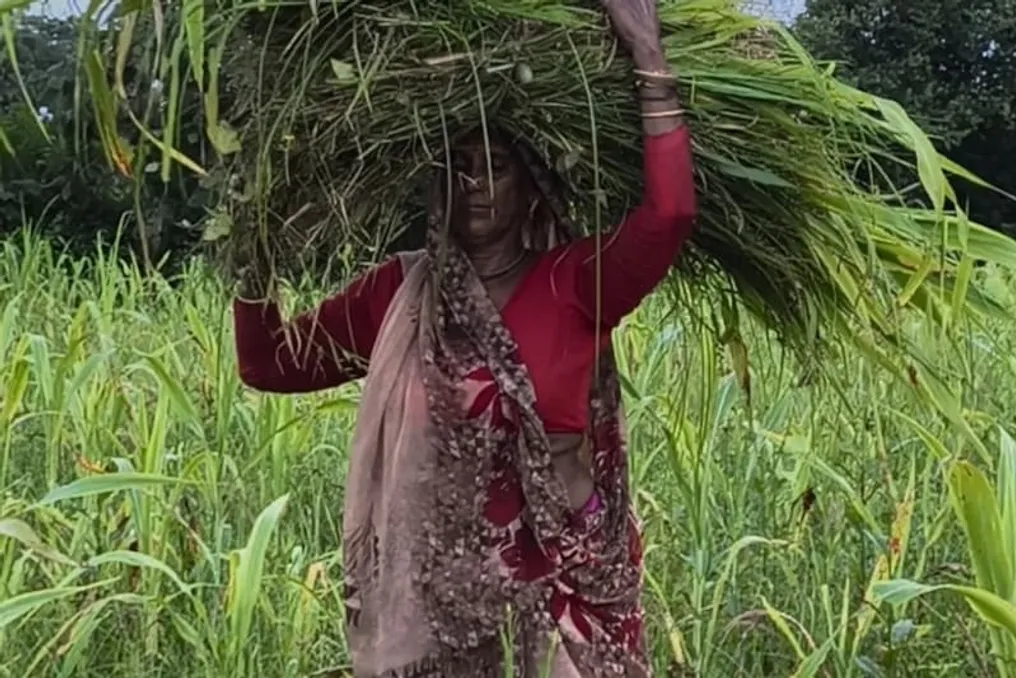
Amid rising costs for chemical fertilizers and pesticides in Uttar Pradesh, organic farming has become a new source of hope for farmers. Those who previously worried about increased agricultural expenses are now beginning to transition to organic farming methods.

Farmers are improving crop quality by using manure compost, vermicompost, and natural insecticides. Previously, a significant portion of funds was spent on purchasing fertilizers and chemicals, but after switching to organic farming, farmers' costs have decreased, and the price of their harvest has increased.

Organic farming is a practice where organic fertilizers rich in nutrients (such as manure compost, green manure, bacterial cultures, organic fertilizers, etc.), biopesticides, and bioagents are used instead of chemical fertilizers, pesticides, and herbicides.

This approach not only supports long-term soil fertility but also prevents environmental pollution. Furthermore, the reduction in agricultural costs and the improvement in product quality bring significant benefits. The growing demand for organic produce has given farmers the opportunity to receive higher prices in the market.

Natturam, a resident of the village of Baihar who practices organic farming, underwent a three-day training course at the State Agricultural School in Chirgaon, Jhansi. A retired teacher, he started practicing organic farming in 2022. As he began to see benefits, he started cultivating crops during both the Rabi (early rains) and Kharif (monsoon) seasons.

Currently, he manages not only a crop area of 18 bighas but also engages in horticulture. According to available information, his annual income ranges from 4 to 5 lakhs. Natturam is now actively spreading awareness about organic farming among others.

Like Natturam, Kotari Singh Patel, a farmer from the village of Barkhat in Manikpur district, also practices organic farming. He started this process in 2023. He shared that he began organic farming after experiencing issues with sugar and blood pressure and started consuming organically grown produce. He noted that his health has improved.

Kotari Singh Patel mentioned that when he became interested in this method, he started growing rice, arhar beans, and sorghum. He believes that organic farming is 'zero-balance agriculture' because it requires labor rather than money. He clarified that he produces grain for his family and sells the surplus in the market, emphasizing that organic farming has benefited him more than chemical farming.

Another prominent farmer in the district, known as a progressive farmer, is Yogesh Jain. He practices natural and organic farming near Bedipulia in Karwi district. Yogesh has been engaged in organic farming for many years. He recounted that the land in his cultivation area was depleted due to chemical farming. To restore the land, he first engaged in animal husbandry and then created composite fertilizer from manure and cow urine, applying it to the fields via a pump. According to him, this increased soil fertility, and he began producing Rabi and Kharif crops.

Regarding natural and organic farming, Deputy Director of Agriculture Jit Lal Gupta stated that the Government of India and the state government are jointly implementing the National Mission on Natural Farming program. The government has set a target to create 25 clusters by 2026-27, within which 3125 farmers are planned to be trained in organic farming. As part of this initiative, the department conducts seminars to motivate farmers to switch to organic methods. Additionally, farmers are provided with a grant of two thousand rupees for maintaining organic farms. It was noted that while organic farming may yield lower harvests initially, the production potential increases as soil fertility improves through the use of local fertilizers.

Popular