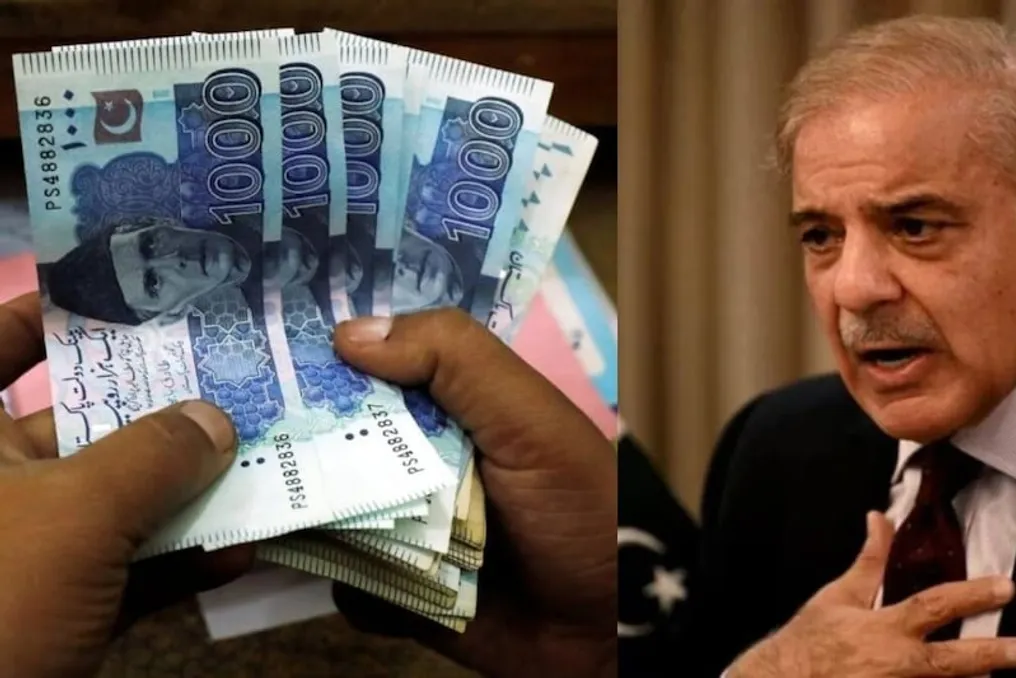
The International Monetary Fund (IMF) has set serious conditions for Pakistan that must be met for the country to receive financial assistance. According to the report, Pakistan is preparing for another round of complex negotiations with the IMF.
The IMF requires the Pakistani government to present 174 legislative amendments to parliament and make efforts to implement them to unlock a $7 billion loan. These proposed legal changes cover sectors such as taxation, the energy sector, privatization, and reserves.
During these discussions, the IMF may also review Pakistan's reforms and growth, including 15 structural criteria, as well as fiscal, financial, and other measures. Pakistan's Financial Secretary, Imdadullah Balsal, informed the Standing Committee on Finance and Revenue of the National Assembly that the IMF insists on the adoption of all 174 amendments.
Nevertheless, Balsal emphasized that the final decision on the proposed amendments remains with parliament. These changes affect many areas of Pakistan's economic structure, including taxation, energy, privatization, and the sovereign wealth fund.
These legislative changes emerged as Pakistan and the IMF conduct negotiations within the framework of the fourth review. This review will include 15 structural parameters, as well as an assessment of reform progress in key economic sectors. Areas subject to review include reforms in the energy sector, state-owned enterprises (SOEs), private sector-related measures, and tax improvements. Budget strengthening, public finance, and austerity measures will also be discussed.
Issues regarding the privatization of electricity distribution companies are also expected during the negotiation process, as Islamabad seeks to fulfill its obligations concerning the energy sector and state-owned enterprises. This issue raises the question of the fate of loss-making distribution companies in the event of profitable distribution companies being privatized.
Changes in wheat policy are also included in the IMF's criteria. According to the Pakistani newspaper Dawn, the federal government released a draft liberalization policy that was approved by three provinces, but one expressed disagreement. Other areas of discussion include reforms related to Islamic banking and further adjustments to the tax system.