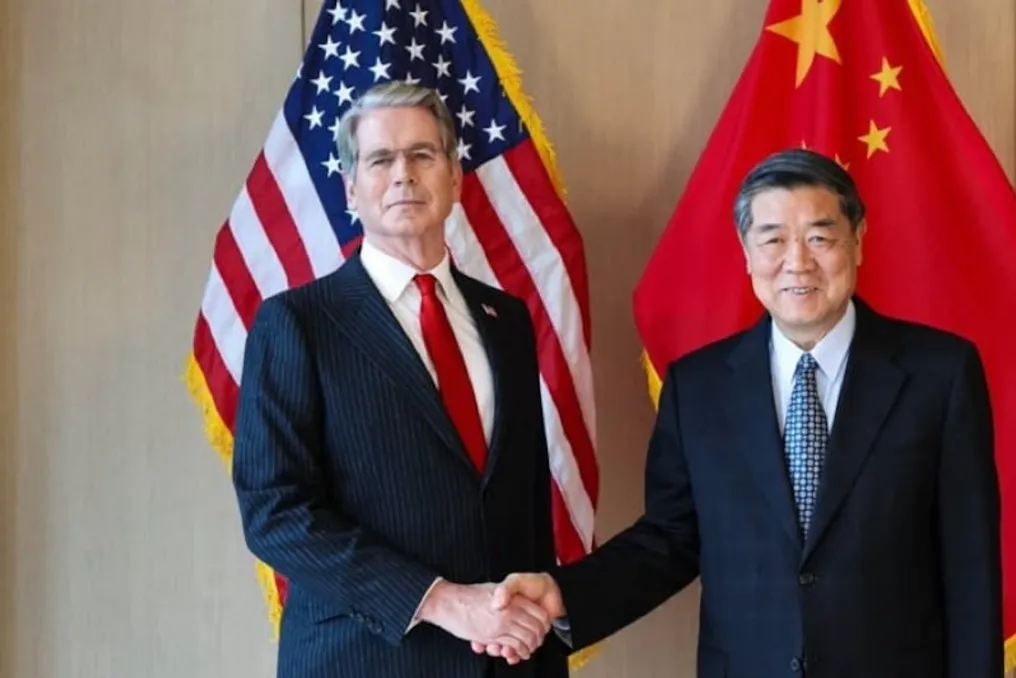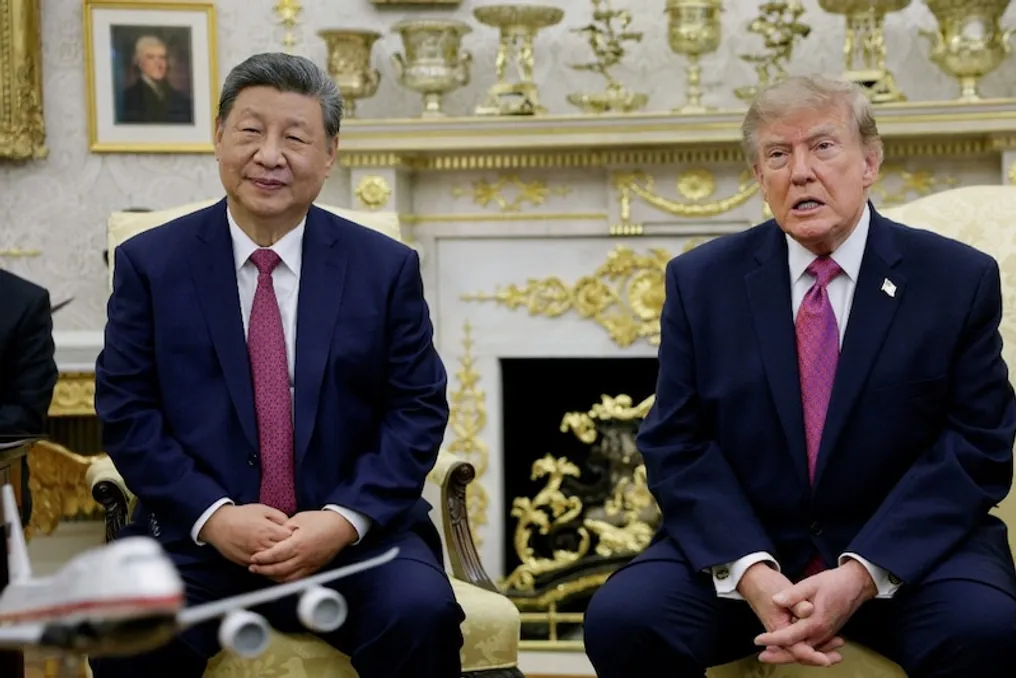
US President Donald Trump and Chinese President Xi Jinping concluded a three-day high-level meeting on Friday. The leaders visited the White House, where they shared tea, and subsequently toured the National Archives. During this meeting, some agreement was reached between the leaders of the two largest global economies on trade issues; however, significant disagreements remain on topics such as Taiwan, artificial intelligence (AI), Iran, and trade in general.
Following the negotiations, Trump stated that the dialogue's outcomes would please American farmers, although he did not provide detailed information. He emphasized that 'America is very pleased with this trip, and I am confident that China is also very pleased.' In turn, Xi Jinping characterized the relationship between the US and China as a move toward 'strategic stability' based on mutual respect, impartiality, and participation.
One of the key outcomes of the talks was the extension of the trade truce for another two months. This agreement concerned a system set to expire on November 10th. Extending this period provided both sides with additional time to discuss a comprehensive trade deal.
US Trade Representative Jamieson Greer reported that detailed information regarding the limited trade agreements reached would be published on Monday. According to Greer, the countries also agreed to exclude a number of important goods from trade disputes. These goods include agricultural products and medical devices from America destined for China, as well as consumer and non-sensitive goods from China.
Trump asserted that progress had been made within the bilateral trade framework to increase access to the Chinese market for American farmers and ranchers. Both leaders also identified artificial intelligence as an area for further discussion.
Trump announced on social media that he plans to meet with Xi Jinping two more times this year. The parties will meet at the Asia-Pacific Economic Cooperation (APEC) forum in China in November, and also during the G20 summit in Miami in December.
After tea in the White House Red Room, Trump and Jinping visited the National Archives, where they reviewed the Declaration of Independence, the Constitution, and the Bill of Rights of America. Trump mentioned discussing the issue of Iran with Jinping. According to the American ambassador to China, David Perdyu, Trump told the Chinese president that support for Iran, whether direct or indirect, is unacceptable to America. Previously, China had rejected American accusations of aiding Iran.
The issue of Taiwan also occupied a significant place during the negotiations. China considers Taiwan to be part of its territory. Xi Jinping expressed hope that the US would 'approach' the Taiwan issue cautiously and maintain its stance against Taiwanese independence. Although America does not have official diplomatic relations with Taiwan, it is its main international supporter. Following Jinping's visit, Trump made no detailed public statements regarding Taiwan. Despite this, disagreements between the two countries persist on issues such as technology, rare earth metals, agricultural trade, Iran, and Taiwan.