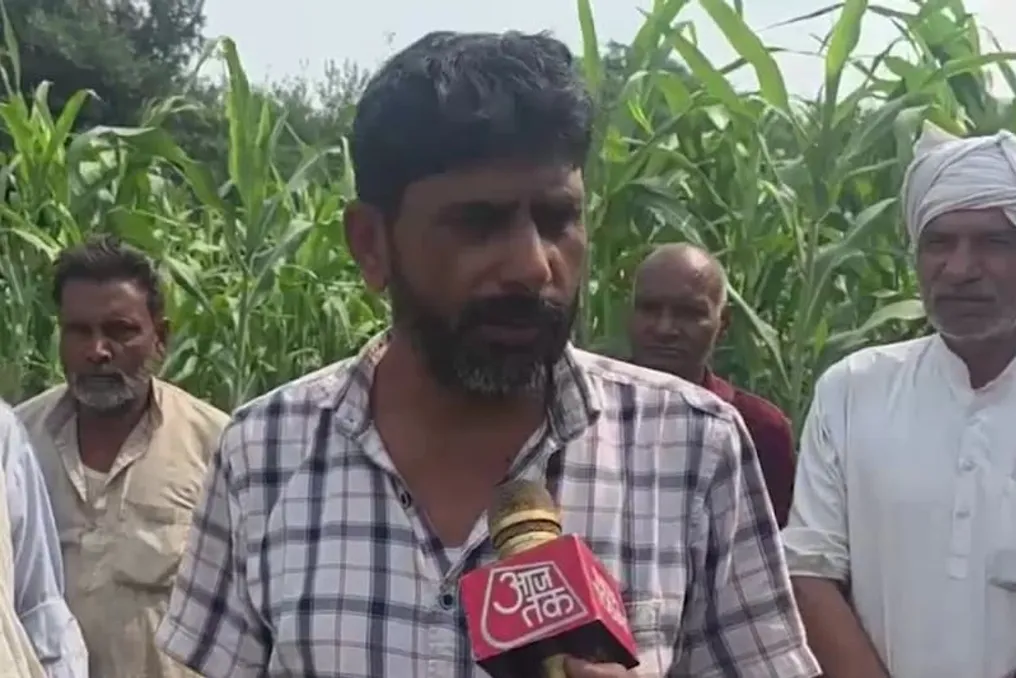
How has the life of farmers in Bagpat changed under the Yogi government: local residents' opinions
Read more
Aaj Tak
www.aajtak.in

How has the life of farmers in Bagpat changed under the Yogi government: local residents' opinions

Agriculture has always held an important place in the politics of Uttar Pradesh state, but upon visiting the Bagpat sugar belt and studying the government's work among farmers, the picture appeared different. Farmers shared their opinions on a number of issues, including access to electricity, water, fertilizers, payments for sugar beet, and law and order. They noted that many problems that previously required long queues and visits to government offices have significantly improved.

In particular, farmers growing sugar beet reported improvements in the payment system and increased crop prices. Bagpat is land where not only crops grow, but also the hopes of thousands of families. Here, farmers work in the fields, crops bloom, or they plow. When asked about changes in agriculture and the life of a farmer over the past years, they cited electricity, water, fertilizers, and payment for sugar beet as the most significant issues.

Farmers claim that they no longer have to face the long queues for fertilizers as before. They also feel an improvement in the provision of electricity for irrigation. Water in the field is vital for the entire harvest, and farmers from Bagpat note that the electricity and water supply system has improved compared to the past, which positively affects their farming. They no longer have to experience the previous difficulties with night irrigation, and changes in electricity availability are observed.

Another serious problem for farmers has always been fertilizers. Farmers state that previously obtaining fertilizers required standing in long queues and waiting for hours, but the situation has changed. Some farmers in Bagpat linked changes in law and order to their own lives. They said that it used to be scary to go to the field at night, but the situation is different now. For a farmer, law and order means not only crime statistics but also the ability to reach their field peacefully at night. Farmers emphasized that they no longer worry about traveling to the field in the dark.

However, it is impossible to talk about Bagpat without mentioning sugar beet. Bagpat is an important part of the Western Uttar Pradesh sugar belt, and for farmers here, sugar beet is not just a crop but the main source of family income. When asked about changes in the collection and payments for sugar beet, they compared their past experience with the current system.

Farmers note that previously there were difficulties with purchasing and getting paid for sugar beet, whereas now they have found relief due to timely payments and rising crop prices. It became clear from the words of farmers from Bagpat that factors such as the amount of electricity received in the field, the effort spent obtaining fertilizers, the simplicity of irrigation, and the timing of money reaching the account are decisive. The farmers interviewed in Bagpat described the current government as caring for the interests of the farmers.
Similar stories

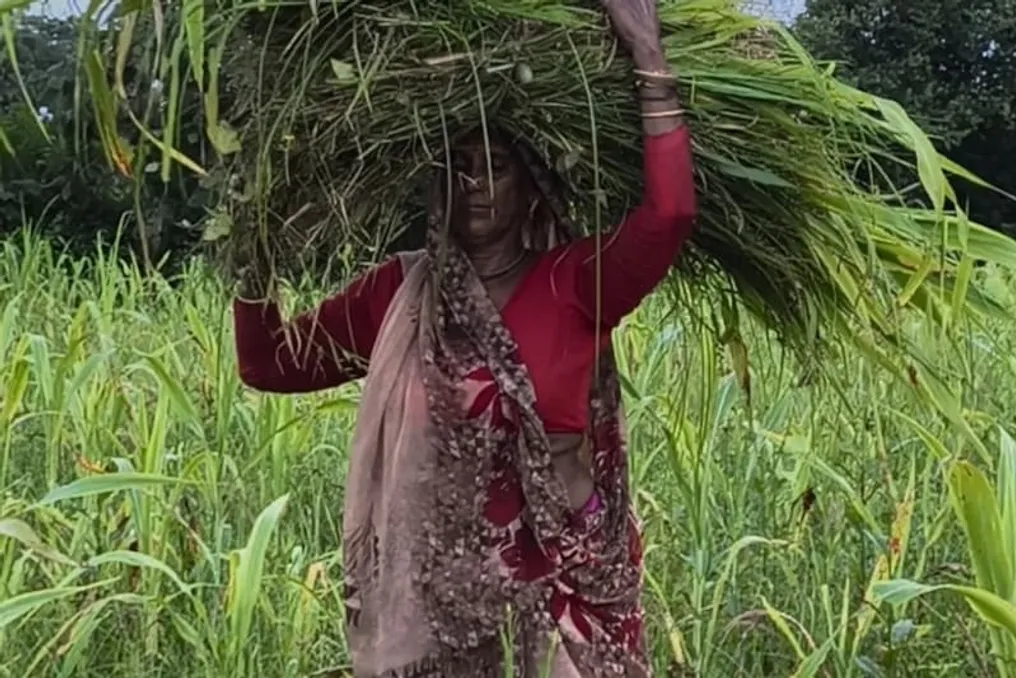
Farmers in Uttar Pradesh are switching to organic farming in rural areas to reduce costs and increase profits
Read more
www.aajtak.in

Farmers in Uttar Pradesh are switching to organic farming in rural areas to reduce costs and increase profits

Amid rising costs for chemical fertilizers and pesticides in Uttar Pradesh, organic farming has become a new source of hope for farmers. Those who previously worried about increased agricultural expenses are now beginning to transition to organic farming methods.

Farmers are improving crop quality by using manure compost, vermicompost, and natural insecticides. Previously, a significant portion of funds was spent on purchasing fertilizers and chemicals, but after switching to organic farming, farmers' costs have decreased, and the price of their harvest has increased.

Organic farming is a practice where organic fertilizers rich in nutrients (such as manure compost, green manure, bacterial cultures, organic fertilizers, etc.), biopesticides, and bioagents are used instead of chemical fertilizers, pesticides, and herbicides.

This approach not only supports long-term soil fertility but also prevents environmental pollution. Furthermore, the reduction in agricultural costs and the improvement in product quality bring significant benefits. The growing demand for organic produce has given farmers the opportunity to receive higher prices in the market.

Natturam, a resident of the village of Baihar who practices organic farming, underwent a three-day training course at the State Agricultural School in Chirgaon, Jhansi. A retired teacher, he started practicing organic farming in 2022. As he began to see benefits, he started cultivating crops during both the Rabi (early rains) and Kharif (monsoon) seasons.

Currently, he manages not only a crop area of 18 bighas but also engages in horticulture. According to available information, his annual income ranges from 4 to 5 lakhs. Natturam is now actively spreading awareness about organic farming among others.

Like Natturam, Kotari Singh Patel, a farmer from the village of Barkhat in Manikpur district, also practices organic farming. He started this process in 2023. He shared that he began organic farming after experiencing issues with sugar and blood pressure and started consuming organically grown produce. He noted that his health has improved.

Kotari Singh Patel mentioned that when he became interested in this method, he started growing rice, arhar beans, and sorghum. He believes that organic farming is 'zero-balance agriculture' because it requires labor rather than money. He clarified that he produces grain for his family and sells the surplus in the market, emphasizing that organic farming has benefited him more than chemical farming.

Another prominent farmer in the district, known as a progressive farmer, is Yogesh Jain. He practices natural and organic farming near Bedipulia in Karwi district. Yogesh has been engaged in organic farming for many years. He recounted that the land in his cultivation area was depleted due to chemical farming. To restore the land, he first engaged in animal husbandry and then created composite fertilizer from manure and cow urine, applying it to the fields via a pump. According to him, this increased soil fertility, and he began producing Rabi and Kharif crops.

Regarding natural and organic farming, Deputy Director of Agriculture Jit Lal Gupta stated that the Government of India and the state government are jointly implementing the National Mission on Natural Farming program. The government has set a target to create 25 clusters by 2026-27, within which 3125 farmers are planned to be trained in organic farming. As part of this initiative, the department conducts seminars to motivate farmers to switch to organic methods. Additionally, farmers are provided with a grant of two thousand rupees for maintaining organic farms. It was noted that while organic farming may yield lower harvests initially, the production potential increases as soil fertility improves through the use of local fertilizers.

Popular