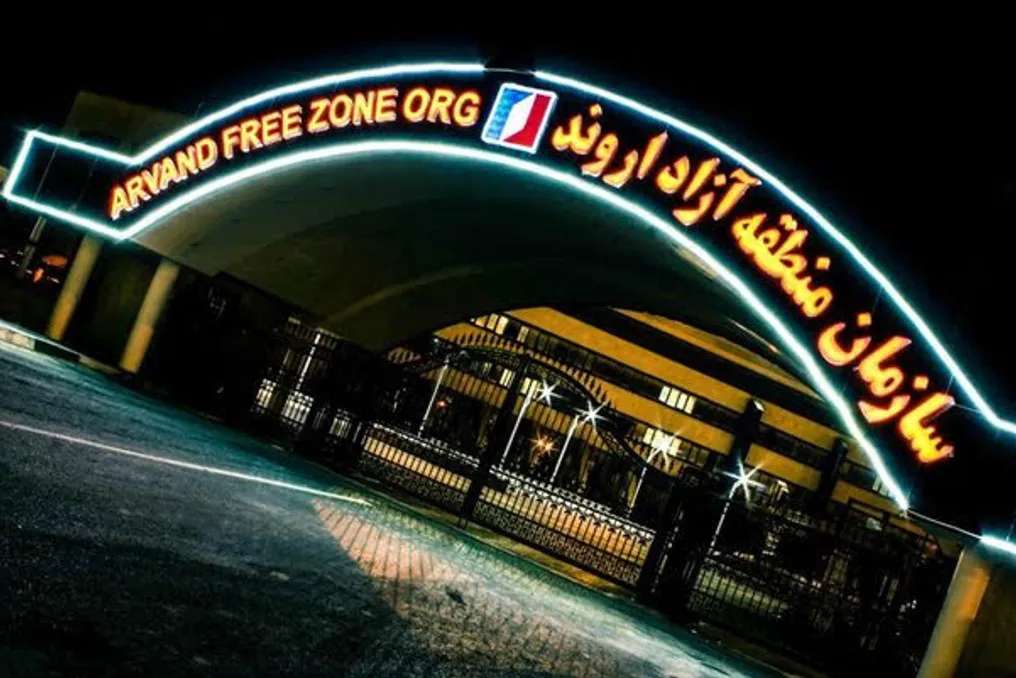
CEO of Arvand Free Zone discusses the role of integrated border management in trade development
Read more
Tehran Times
www.tehrantimes.com

CEO of Arvand Free Zone discusses the role of integrated border management in trade development

The CEO of the Arvand Free Zone emphasized the potential of free zones in strengthening economic ties with neighboring countries. He noted that enhancing the powers of free zones, establishing integrated border management, and forming coherent economic diplomacy can facilitate trade, increase regional interaction, and lead to more effective utilization of the economic opportunities in border territories.

At a meeting of deputy secretaries and CEOs of free and special economic zone organizations, attended by Executive Vice President Mostafa Khanzadi, a representative from the Public Relations and International Affairs Department of the Supreme Council Secretariat of Free and Special Economic Zones, he thanked the participants for organizing the event, calling it a potentially turning point for activating the work of free zones.

Khanzadi reported that contacts were maintained with Mr. Aref and the Minister of Interior over the last seven or eight months, after which executive provisions to Article 65 were prepared, focusing on the Arvand Free Zone as a pilot project. These provisions went through various stages of approval with the leadership and the governor, but encountered an issue when submitted to the State Committee for Islamic Resources, which is currently under re-review. Thanks to previous discussions with the minister in the Government's Economic Commission, there is hope for the approval of these provisions.

Explaining the necessity of implementing this article specifically in Arvand, the CEO of the Arvand Free Zone pointed to the region's specifics: it has two special governors who are deputies to the governor, and the population is about 600,000 people. Khanzadi added that in addition to the Ministry of Interior's duties towards districts, functions were divided such that parts not directly related to the free zone should be transferred to the provinces, as a significant part of the managerial potential is currently occupied by issues unrelated to the zone's main mission.

He also mentioned that issues of municipalities and the Security Council have always been discussed, and although favorable conditions have been created in the free zone, some matters were resolved verbally, but official government approval is expected. The CEO continued, addressing the taxation of goods, stating that continuing the current practice is illegal, as tax should not be levied on reasonably consumed goods.

Khanzadi stressed that even if goods enter the mainland, the revenue generated from them must return to the free zones to finance infrastructure development. He predicted that under this scenario, the free zone's income could double. He warned that a region with a population of about 600,000 and insufficient infrastructure would suffer serious damage under the current conditions.

The CEO described another important problem in border areas as 'unified economic diplomacy.' He noted that this issue was raised in the presence of the Minister and Mr. Furuzan, and it is unacceptable for different bodies in neighboring countries to express contradictory opinions. Khanzadi cited Iraq as an example, noting that despite having good contacts with the Iraqi side, he feels serious losses in this area. Presence in Mehran and discussion of various issues leads the other side to exploit differences in views.

He insisted on the need to form unified economic diplomacy across different approaches to neighboring countries, including Iraq and Turkey. It was proposed to create a committee of experts on Iraqi affairs with a separate secretariat for standardized conduct of this diplomacy. The CEO concluded that any contact with foreign parties must be carried out within established rules to benefit from a unified economic approach.

Regarding banking issues in free zones, Khanzadi pointed out that the previously adopted decision to deposit resources of all structures and companies into the treasury led to funds being placed at the disposal of banks. This issue is particularly important for regions like Arvand, which possess large state capabilities. Although the Abadan refinery and Abadan petrochemical complex are located in the region, the free zone itself does not receive direct income from these complexes, which limits its ability to provide necessary services to industries.

One of the requests voiced by the CEO is the creation of a specialized bank for free zones, which has been discussed for years. In addition to discussing an offshore bank, either funds must be returned to regional banks, or a mechanism for creating a specialized bank for free zones must be considered.

Khanzadi also drew attention to the need for unified border management. He noted that this problem is simply solvable but is of immense importance. At the Shahlamcheh border crossing, which the Minister visited, there were about 100 people present, and 12 decision-making bodies operate on this border, creating complexities in border management. In this regard, a scheme was developed whereby border free zones should have greater authority, and this plan is under review.

Khanzadi appealed to the Minister of Economy, who oversees this issue, as well as the Ministry of Interior, which has relevant decrees, to clarify responsibility for managing this matter and to determine the body that should ultimately manage it. The CEO, citing recent experience at the Shahlamcheh border, noted that yesterday, when the border between Iran and Iraq was closed, the free zone had the authority to act in this area, allowing it to demonstrate proactive management. This fact was covered by the media, and one reason for Iraq's quick reopening of the border was the initiative shown by the free zone.

In conclusion, it was stated that security issues must remain within the competence of the provinces and relevant authorities, but in the sphere of economic management, trade, and activities related to free zones, special power and responsibility must be enshrined for the free zone itself to ensure faster and more effective resolution of border issues.

The Arvand Free Zone is located in the southwest of Iran, in the Khuzestan province, at the confluence of the Arvand and Karun rivers near the Persian Gulf. It covers an area of 37,400 hectares and includes the cities of Abadan and Khorramshahr, making it the most densely populated free zone in Iran with a population of about 500,000 residents. The zone borders Iraq and Kuwait, providing direct access to the Shahlamcheh land border and the Persian Gulf. It is equipped with multimodal transport infrastructure, including the Abadan International Airport, Khorramshahr port (Iran's second-largest container port), and railway lines. The zone is a major industrial center, housing the Abadan refinery (450,000 barrels per day), petrochemical plants, steel, and shipbuilding industries. It serves as Iran's main trade gateway to Iraq, offering tax incentives and 100% foreign ownership.

The establishment of Free Trade Zones (FTZs) in Iran began in 1368 of the Iranian calendar (March 1989 – March 1990) after the decline in oil revenues in the country the previous year, prompting the government to promote non-oil exports. The first two FTZs were established in the south of the country: the first being Kish FTZ, established in 1368 on Kish Island in the Persian Gulf, and the second being Qeshm FTZ, established on Qeshm Island in the Strait of Hormuz a year later. Since then, five more FTZs have been established in the country, including Chabahar in the southeastern Sistan and Baluchestan province, Arvand in the southwestern Khuzestan province, Anzali in the northern Gilan province, Aras in the eastern Azarbaijan province, and Maku in the western Azarbaijan province, all located in the northwest of the country. The development of existing and the creation of new FTZs has become one of the main economic directions of Iranian government policy.

The Secretary of the Supreme Council of Free and Special Economic Zones recently stated that expanding the powers of free zones and broader utilization of the potential and experience of the private sector can form the basis for attracting investment, developing economic activity, and more effectively utilizing the opportunities of these zones.

Hossein Furuzan stated that opponents expected Iran, like other countries, to surrender under pressure, but courage, planning, and measures taken prevented this outcome. He added that an economic war is currently underway, and under such conditions, free zones need to be trusted more. He called on the government to give free zones sufficient time and authority, and in return, he must be sure that the leaders of the free zones will strive to achieve the set goals and not disappoint the government. He assured that they would work hard for the development of free zones and the country's economy, believing that by granting more authority, existing opportunities can be used to overcome difficult economic conditions. The Secretary of the Supreme Council proposed increasing the share of the private sector in the decision-making structure related to free zones, suggesting that at least two out of the five members of the decision-making body should represent the private sector, as private players can significantly help in attracting investment and solving economic problems.
Similar stories

Sixth generation of free zones transforms borders into platform for economic cooperation
Read more
www.tehrantimes.com

Sixth generation of free zones transforms borders into platform for economic cooperation

The head of the Aras Free Zone Organization stated that the sixth generation of free zones is capable of transforming borders into a platform for economic interaction. Hadi Muhammadzadeh emphasized that free zones require appropriate tools to fulfill the tasks set before them.

Modern free zones are designed to work with states, develop economic diplomacy, and form strategic ties. According to Muhammadzadeh, if this approach is implemented, free zones will cease to function as isolated entities in industrial and commercial spheres, but will become a driving force and a strategic instrument of the country, allowing them to play an important role both in the state's macroeconomy and in the sphere of economic sustainability under current conditions.

However, for free zones to perform their function as a special operational tool in the field of economic diplomacy under the current special circumstances, there are a number of problems and obstacles, some of which are characteristic of the country's free zones in general.

The first problem, named by the head of the Aras Free Zone Organization, is the multiplicity of decision-making bodies and the lack of coordination between departments. This complexity of structures and lack of consistency hinder the implementation of the single window concept, making it unrealistic for investors.

Muhammadzadeh noted that many issues get stuck in administrative bureaucracy, which effectively prevents the achievement of free zone goals and complicates investor activities.

Addressing the situation in the Aras Free Zone and at the Norduz border, he highlighted the critical importance of accelerating and facilitating the movement of goods in the Aras Free Zone's Norduz zone. This zone is one of the country's active entry and exit points in the northwest and is considered the country's only land access to the Eurasian Economic Union.

The head of the Aras Free Zone Organization reported that he personally pays special attention to accelerating the movement of goods in the northwest of the country and at the Bazarghan border, and although various agencies are making attempts, the lack of integrated management in this area leads to each department acting according to its own principle, resulting in no real optimization at the border.

Muhammadzadeh added that the border should not be a place of stopping, and unnecessary delays should not occur there. Although necessary control and monitoring must be carried out, it is observed that the Border Service, the terminal, and the governorship may act according to their separate schemes.

He also stated that the free zone, in accordance with the country's spatial planning document and its responsibility in this area, and taking into account Article 65, can carry out the necessary organization in this area within its competence.

The head of the Aras Free Zone Organization mentioned that Dr. Purmohammadi visited this region three times and sent written messages to resolve these problems, but due to the arbitrary approaches of the departments, these decisions and measures were not fully implemented.

The second obstacle identified by Muhammadzadeh was the weakening of fundamental laws and incentives for free zones. Instability in the legislative base and motivational mechanisms of free zones has gradually reduced their competitive advantages.

He noted that many economic activities in free zones have suffered from these problems, facing difficulties that actually go beyond the powers of the free zones.

Regarding tax benefits, he pointed out that the 20-year tax exemption and profit tax exemption, considered the main incentives, have been, frankly speaking, overshadowed by arbitrary interpretations and organizational interests.

The head of the Aras Free Zone Organization stressed that one of the most obvious advantages of free zones is tax relief. According to paragraph 'A' and Article 10 and the relevant note, the Aras Free Zone meets all three specified conditions: it is enclosed, has a positive trade balance, and is located far from populated areas, but the Tax Service does not accept this.

Muhammadzadeh concluded that at least in the case of the Aras Free Zone, this advantage cannot be maintained under current conditions, which represents one of the serious problems of free zones.

He then touched upon the topic of regional development and the need to strengthen economic ties with neighboring countries. A few days ago, he conducted a mission studying the current situation in Armenia. He noted that the Azerbaijani market had effectively been lost, and recent regional agreements only decided on the need to define common interests.

The head of the Aras Free Zone Organization noted that such an opportunity exists in Armenia, and the issue of creating joint free zones was raised. Previously, a memorandum of understanding was signed between the Aras Free Zone and the Armenian side on this issue, but it has not been implemented so far.

Muhammadzadeh defined the third challenge as the lack of common understanding and beliefs in the country's executive and management structure regarding the role of free zones. For free zones to participate best in economic diplomacy, there must be a common concept in the country's leadership about the functions of free zones.

He honestly admitted that such a common understanding does not exist in practice, and there is serious resistance to it.

The head of the Aras Free Zone Organization continued that in joint commissions with Armenia and Azerbaijan, given the geopolitical and geographical location of the Aras Free Zone, they should naturally be present in these commissions to best present existing investment opportunities, but this has not happened yet.

Emphasizing that this zone has not remained a passive observer despite the country's limitations and special conditions, Muhammadzadeh stated that the Aras Free Zone was not merely a bystander. He also raised this issue at a meeting with Dr. Pezeshkian.

The head of the Aras Free Zone Organization specifically highlighted that in the country's industrial free zone, under special wartime conditions, the production cycle did not stop for a single day. Moreover, the production cycle was not only not suspended but was activated.

Muhammadzadeh clarified that the Aras Free Zone currently plays a role in ensuring vital goods for the northwest of the country, as well as supplying raw materials to production enterprises. As is known, Tabriz and East Azerbaijan province are an industrial and commercial region, and more than 95 percent of the economy here is in the hands of the private sector.

He added that to date, no industrial enterprise has been closed due to the special war conditions, and none will be closed.

The head of the Aras Free Zone Organization, referring to the energy sector and the president's emphasis on developing renewable energy sources, noted that the president pays special attention to the energy sector. Before the National Unity government, there were practically no solar power plants in the free zones, but today the Aras Free Zone is acting as a driver in this direction.

In conclusion, Muhammadzadeh stressed that if the legal norms of free zones, especially Article 65, are fully complied with, and the existing obstacles to the activity of these zones are removed, free zones will be able to transform from an isolated aggregate in industry and trade into a strategic instrument of the country's economy and economic diplomacy.

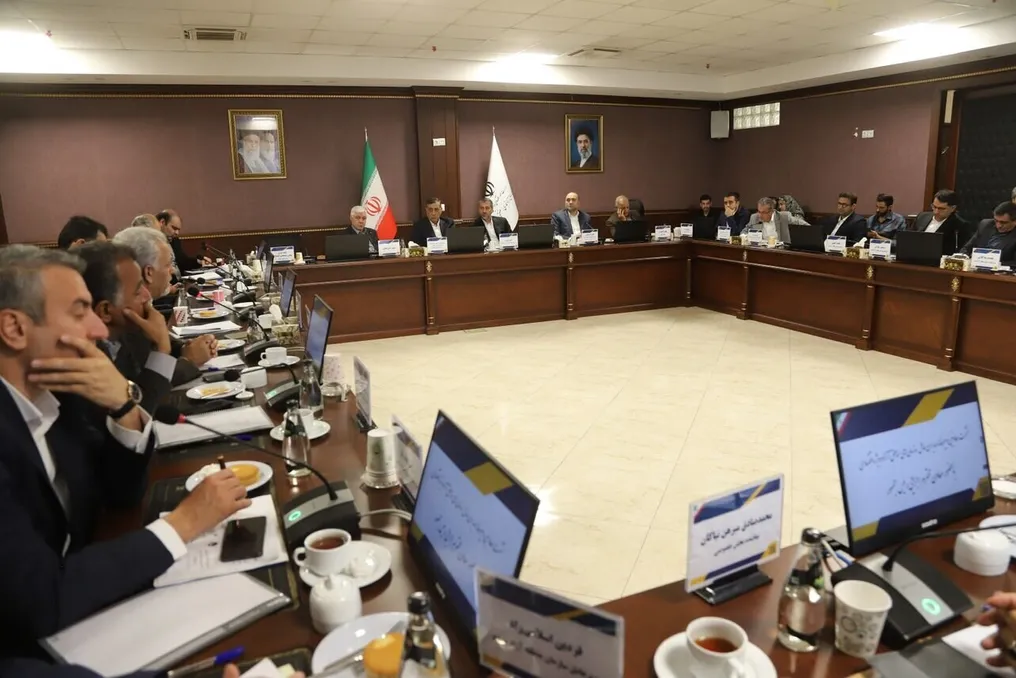
Strengthening the powers of free zones and supporting the private sector can stimulate investment in free zones
Read more
www.tehrantimes.com

Strengthening the powers of free zones and supporting the private sector can stimulate investment in free zones

The Secretary of the Supreme Council of Free and Special Economic Zones emphasized the potential of these zones to strengthen the country's economy. He stated that expanding the powers of free zones and more actively utilizing the experience and opportunities of the private sector would form the basis for attracting investment, developing economic activity, and more effectively utilizing the potential of these zones.

According to IRNA, citing the Secretariat of the Supreme Council of Free and Special Economic Zones, Hossein Forouzan noted during a meeting with deputies of the Secretariat and general directors of free and special economic zone organizations, which was attended by Mohammad Jafar Ghaempanah, Executive Deputy President, that enemies had counted on Iran's capitulation under pressure, but courage, planning, and measures taken prevented this goal.

Forouzan added that in the current conditions, economic warfare is a key problem, and therefore, free zones need to be trusted more. He appealed to the government to provide free zones with sufficient time and authority, assuring that the leaders of these zones would strive to achieve the set goals and would not disappoint the government.

He continued that they would exert all efforts to develop the free zones and the country's economy, believing that granting greater powers to the zones would allow them to utilize existing opportunities to overcome difficult economic conditions.

The Secretary of the Supreme Council of Free and Special Economic Zones proposed increasing the share of the private sector in the decision-making structure concerning free zones. Forouzan suggested that in the five-member decision-making body, there should be at least two representatives from the private sector, as private sector participants can significantly help in attracting investment and solving economic problems.

He stressed that instead of government managers trying to attract investors, the potential of private sector actors possessing the necessary experience, connections, and motivation to attract investment and participate more effectively in this process should be utilized.

Highlighting the importance of special economic zones, the Secretary of the Supreme Council of Free and Special Economic Zones noted that these zones represent an important opportunity for the country that must be utilized in the current economic circumstances.

Criticizing some limitations placed on the operation of special economic zones, Forouzan pointed out that new problems arise daily in various fields, including land and banking issues, which hinders the work process of these zones. He also noted that the Central Bank, in some cases, instead of assisting special economic zones in utilizing their potential, imposed restrictions and even raised the issue of cutting resources for these zones.

In conclusion, the Secretary of the Supreme Council of Free and Special Economic Zones called on the government to provide more opportunities for the functioning of free and special economic zones, asking for time to demonstrate the role these zones can play in the country's economy.

Forouzan concluded his speeches by expressing his expectation of trust from the government towards the free zones, and in return for the granted powers, he expects an evaluation of their work. He assured that he would use this trust to develop the country and try not to let down the government and the memory of the fallen.

During the continuation of the meeting, Mortez Safdarizadeh, General Director of the Birjand and Sarv Urmia Special Economic Zone, spoke about the activities in these zones. He reported that the private sector's activities in these zones have provided employment for about 7,500 people in various industries, indicating significant opportunities for investment and employment in special economic zones.

Safdarizadeh thanked the government and officials for the measures taken in recent difficult conditions. He expressed hope that after overcoming the current crisis, the position of Islamic Iran on the international stage will strengthen.

Referring to the incomplete implementation of Article 119 of the Development Plan Law, he noted that this law emphasizes enhancing the status of the Secretariat of the Supreme Council of Free and Special Economic Zones, but the necessary mechanism for implementing this point has not been fully introduced.

The General Director of the Birjand and Sarv Urmia Special Economic Zone commented on the changes in the status of the Secretariat of the Supreme Council of Free Zones: previously the Secretary held the position of deputy and advisor to the President, but later this body was subordinated to the Ministry of Economic Affairs and Finance.

Safdarizadeh insisted on the need for expert analysis of the position of the Secretariat of the Supreme Council of Free and Special Economic Zones, demanding a thorough review of the consequences of any changes to its status regarding their alignment with the country's interests.

Speaking about the potential of free and special economic zones, he argued that they could be the best way to solve some of the country's modern problems, and their potential should be used to develop trade, investment, and relations with neighboring countries.

The General Director of the Birjand and Sarv Urmia Special Economic Zone mentioned the work of the South Khorasan Special Economic Zone on the Iran-Afghanistan border. According to statistics, over 55 percent of goods exported by Iran to Afghanistan or transiting through the country to Afghanistan pass through this route.

Safdarizadeh added that the necessary infrastructure and facilities have been created in this zone, and thanks to management by the private sector, the attention of Iranian and Afghan traders has been drawn to this border. He compared this border to older borders of the country, noting that this border crossing managed to establish itself as one of the important trade routes with Afghanistan in a short time.

The General Director of the Birjand and Sarv Urmia Special Economic Zone noted that due to the activation at this border, the government has also begun completing road infrastructure and taking necessary measures. At the same time, the Afghan side has also provided appropriate cooperation, and Afghan authorities have supported the development of trade and border interactions.

Emphasizing the need to transfer economic affairs to the private sector, Safdarizadeh stated that with the creation of a suitable foundation, the private sector is capable of solving many issues faster and more productively. Experience has shown that wherever the private sector has participated, it has benefited not only itself but the country as a whole. He added that such a model is applicable in many sectors of the country's economy, and Iran has export relations with approximately 40 countries, indicating numerous economic and trade opportunities.

Popular