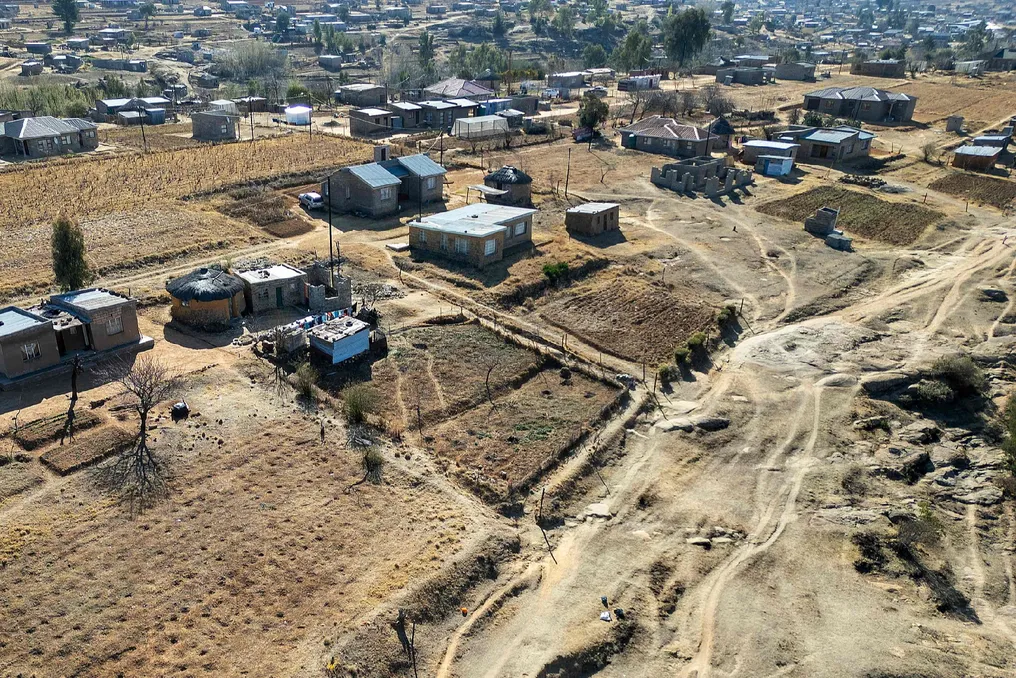
Lesotho prepares for increased heat and drought linked to El Niño
Read more
CGTN
cgtn.com

Lesotho prepares for increased heat and drought linked to El Niño

The Lesotho government is taking measures in preparation for a hotter and drier summer, including providing drought-resistant seeds and urging farmers to stock up on livestock feed and water.

Minister of Agriculture Selibe Mochobaroane stated that recent rains provided sufficient moisture to sustain crops until December, but warned farmers about a possible deterioration of conditions.

He noted that drought-resistant seeds have been acquired, which should ensure a harvest with proper use. Farmers were also advised to grow alfalfa for livestock feed and collect water before pastures dry up.

The South African Regional Climate Forecasting Forum predicted an increased probability of reduced rainfall and rising temperatures in Lesotho from October to December.

The country has previously faced severe droughts caused by El Niño. In July 2024, the government declared a national food insecurity disaster after the drought led to the lowest harvest since 2018/19. The United Nations estimated that around 700,000 people could face starvation in the following months.

Lesotho's dependence on food imports from neighboring South Africa also makes it vulnerable to regional crop failures.

According to Retila Elias, Chief Executive Officer of the Disaster Management Agency, limited funding may hinder the country's response, especially concerning vulnerable groups such as the elderly and people with disabilities.

The Climate Impact Laboratory estimates that El Niño-related heat could lead to 43 additional deaths in Lesotho between September 2026 and February 2027. This estimate only accounts for heat-related deaths and does not include potential fatalities related to drought or food shortages. Furthermore, Lesotho's meteorological services have warned of increased health risks, including waterborne diseases.
Similar stories

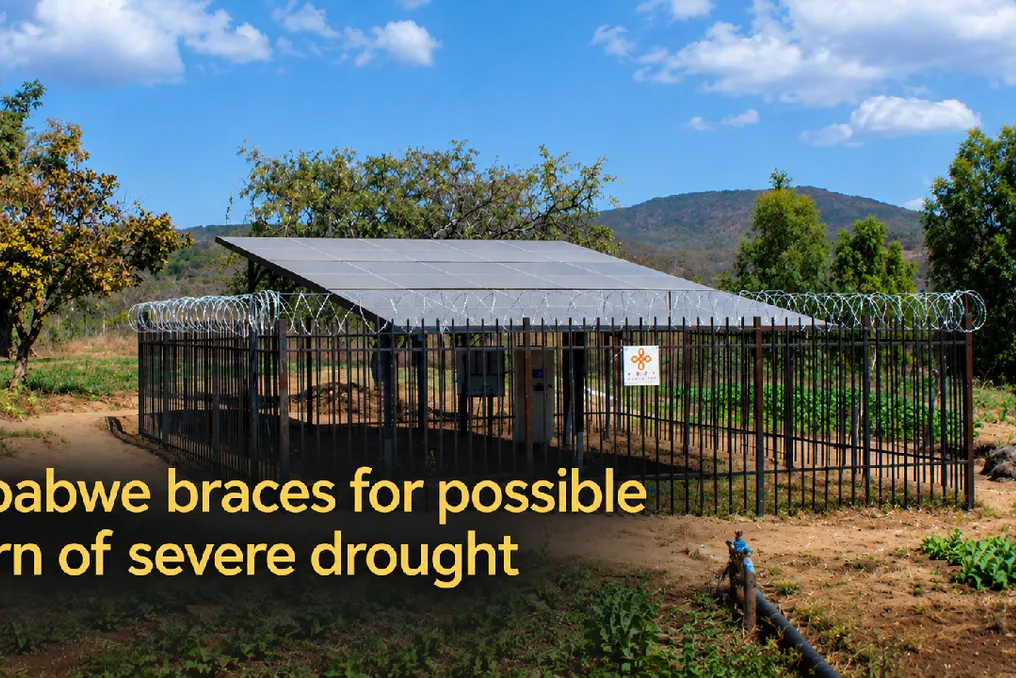
Zimbabwe prepares for possible resumption of severe drought due to El Niño forecasts
Read more
cgtn.com

Zimbabwe prepares for possible resumption of severe drought due to El Niño forecasts

Zimbabwe is taking measures in case of a recurrence of severe drought as weather forecasts indicate an intensification of the El Niño pattern in the coming months.

The country has suffered multiple times from El Niño-related droughts, which negatively impacted crop yields, water reserves, and livelihoods.

As rainfall becomes less predictable, some farmers are beginning to use solar-powered irrigation systems to reduce their dependence on hydroelectric power.

In Mbare, a bustling market in southern Harare, farmer Jacob Nenzu is purchasing a solar panel, a water pump, and pipes to create an irrigation system. He explains that he wants to draw water from the river near his plot because he can no longer rely on rain.

For smallholder farmers, solar irrigation offers an alternative power source for pumping water during periods of unreliable centralized electricity supply.

A significant portion of the solar energy equipment sold at the market is manufactured in China, where increased production has contributed to lower prices. Furthermore, government reductions and exemptions from duties and taxes on certain solar equipment have made this technology more accessible.

The cost of residential solar installations ranges from approximately 500 US dollars for small systems to around 10,000 US dollars for fully autonomous complexes.

Trader Russell Mutami notes that installing a solar system previously required huge investments, but prices have significantly dropped and quality has improved, and he expects further price decreases.

Thus, for Zimbabwean farmers, solar irrigation is becoming one way to adapt to increasingly unpredictable rainfall, helping to protect agricultural production and livelihoods.

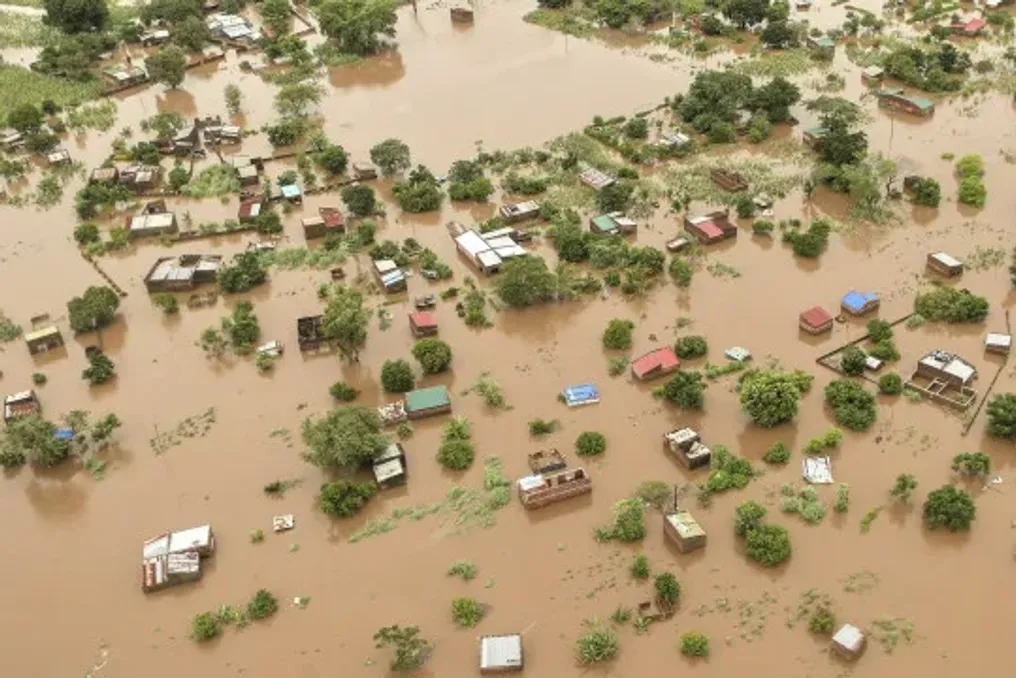
Mozambique needs 349 million euros to mitigate El Niño effects
Read more
noticiasaominuto.com

Mozambique needs 349 million euros to mitigate El Niño effects

The Minister of Public Works, Housing and Water Resources, Fernando Rafael, stated at the opening of his ministry's XII Coordination Council that forecasts for the upcoming rainy season indicate a strong El Niño event. The greatest impact is expected to fall on the southern and central regions of Mozambique, which could lead to a significant decrease in rainfall, prolonged drought periods, and episodic intense rains.

In light of the potential consequences of this phenomenon, the Government has decided to react proactively and has prepared a plan valued at $401 million (349.2 million euros). This plan covers areas such as water resources and supply, agriculture, livestock, fisheries, healthcare, education, social protection, and food aid.

Fernando Rafael emphasized that the Government is aware of the scale of this problem and has therefore decided to act before the most serious consequences manifest, preparing a Mitigation Plan estimated at approximately $401 million USD.

Of the total planned amount, the Government has secured $125 million (108.9 million euros) through external support. Approximately $276 million remains to be raised for the full financing of the measures outlined in the plan, Fernando Rafael specified. He added that fundraising efforts will continue through the State Budget and partners.

The plan provides for emergency food assistance to 343,773 people, corresponding to about 68,755 families. Social protection measures are intended to cover around 234 thousand families. In the agricultural sector, activities are planned for over 155 thousand farmers and 90,500 livestock keepers, with priority given to areas most susceptible to drought and water scarcity.

Planned actions include the construction and reconstruction of water supply systems, dams, reservoirs, and multipurpose wells, distribution of drought-resistant seeds, livestock protection, strengthening school feeding programs, and providing sanitary and nutritional aid to the most vulnerable families.

Fernando Rafael noted that the response will be phased: first preparation and immediate response, followed by recovery and stabilization, and only then strengthening resilience and prevention. He advocated for this approach to protect the population and enhance communities' ability to cope with future droughts and other extreme weather events.

The details of the mitigation plan, disclosed today, were approved by the Council of Ministers on Tuesday. A government representative, Salim Wala, explained that this instrument includes strengthening and replenishing water security for human consumption, irrigation, and livestock drinking, as well as preparing the health, education, energy, and industry sectors for the possible impact of the phenomenon.

At the same time, the Government reported that an intersectoral group is deepening the assessment of the financial and social consequences of El Niño. The executive branch had previously warned of possible consequences in at least 52 districts of the southern and central regions. Furthermore, a technical analysis conducted by the Secretariat for Food and Nutrition Security indicated a possible exacerbation of the acute food crisis by 55% by March 2027, affecting 1.84 million people.

Popular