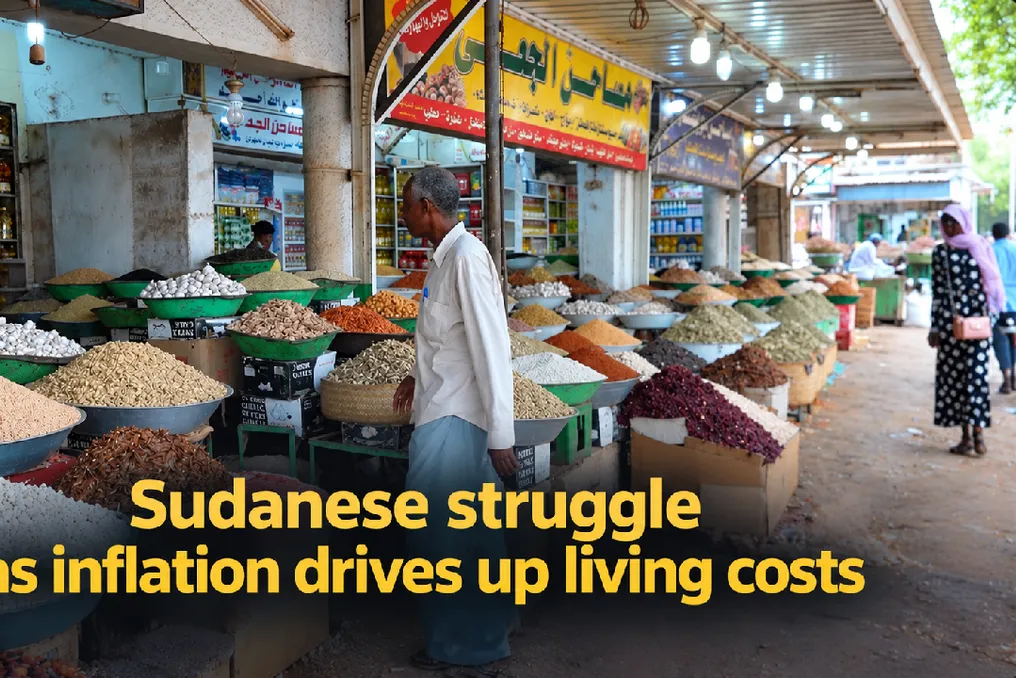
Markets in the capital of Sudan, Khartoum, are struggling to recover amid sharp price increases, putting pressure on consumers and hindering traders from restocking supplies.
Omar Hamid, a shop owner in Omdurman, notes that many returning residents are shocked by the prices of essential household goods. He reported that families arriving with 100,000 or 150,000 Sudanese pounds (equivalent to $166–$249 USD) find that necessary purchases cost over 200,000 or 250,000 pounds ($332–$415 USD).
The increased cost of living also makes basic medical care unaffordable for many residents. Fatuma Mohamed, who recently returned to Khartoum from Port Sudan, stated that she cannot afford a medical check-up while being five months pregnant. Furthermore, she needs treatment for a sick family member but is unable to pay for medications, food, or medical tests.
The Sudanese currency has lost significant value since the conflict began in April 2023. Economists point out that low incomes, a weak production base, and limited employment opportunities exacerbate the burden on households.
According to official data, the annual inflation rate in Sudan reached 51.28% in June, compared to 44.50% in May. The monthly growth rate of food and beverage prices was 8.39%, and the pace of monthly inflation accelerated to 7.08%.