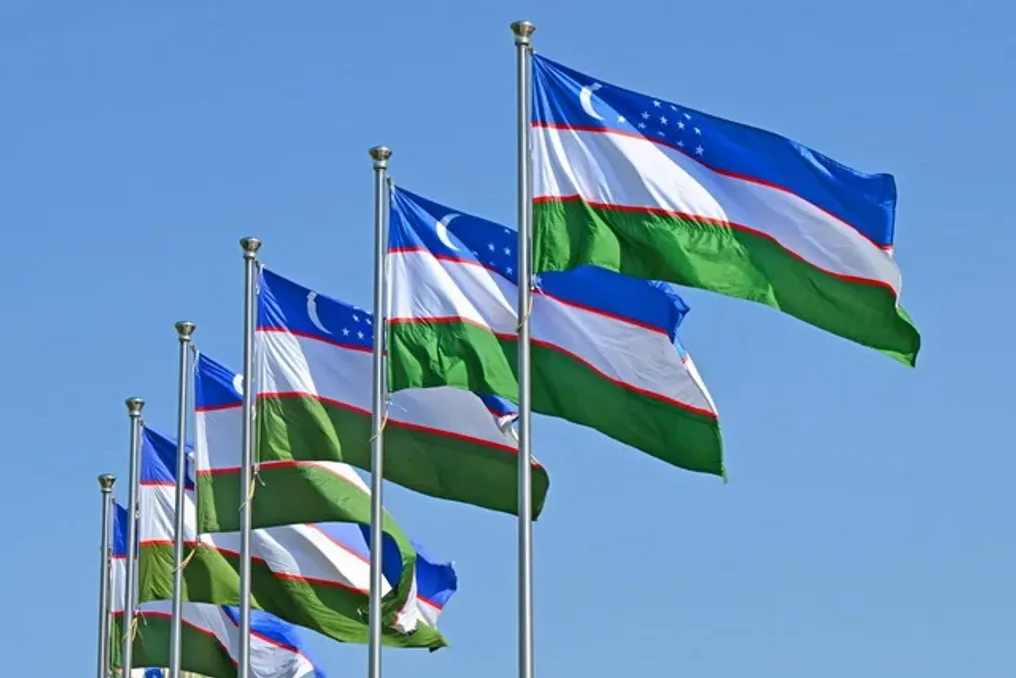
CME Group notes that economic reforms are creating conditions for Uzbekistan's growth
Read more
UzDaily
uzdaily.uz

CME Group notes that economic reforms are creating conditions for Uzbekistan's growth

According to an analytical article published by OpenMarkets CME Group, the economic transformations implemented in Uzbekistan over the past decade have strengthened the country's position for further development. However, the economy's high dependence on the export of metals and mineral resources makes it vulnerable to fluctuations in global prices.

The publication notes that since 2016, Uzbekistan has consistently transitioned from a closed, state-controlled economic model to a more open system based on market principles.

One of the most important areas of reform was the liberalization of the currency market. As a result, Uzbekistan unified official and unofficial exchange rates of the sum, switched to a floating exchange rate, and abolished previous restrictions on currency conversion. These changes also ended mandatory requirements for selling export earnings and expanded access for citizens and enterprises to foreign currency.

In parallel, according to an International Monetary Fund study, the reforms were accompanied by a decrease in the value of the sum by approximately 50% and a period of double-digit inflation. In 2020, the Central Bank of Uzbekistan was tasked with achieving the target inflation rate set for the medium term at 5%.

At the same time, the authorities of Uzbekistan introduced measures aimed at integrating the country into the global economy. Restrictions on the import and export of most goods were lifted, export procedures were simplified, and tax benefits for exporters were expanded.

The country has also strengthened cooperation with international financial institutions, including the IMF, the World Bank, and the Asian Development Bank, and is working towards meeting the requirements for accession to the World Trade Organization.

Another area of reform is reducing the role of the state in the economy and increasing the participation of private capital and foreign investors. This process includes the privatization of state-owned enterprises, improving investor protection, and creating a more favorable business environment.

In May 2026, the National Investment Fund of Uzbekistan (UzNIF), which holds minority stakes in 13 large state-owned enterprises, conducted an initial public offering of shares.
Similar stories

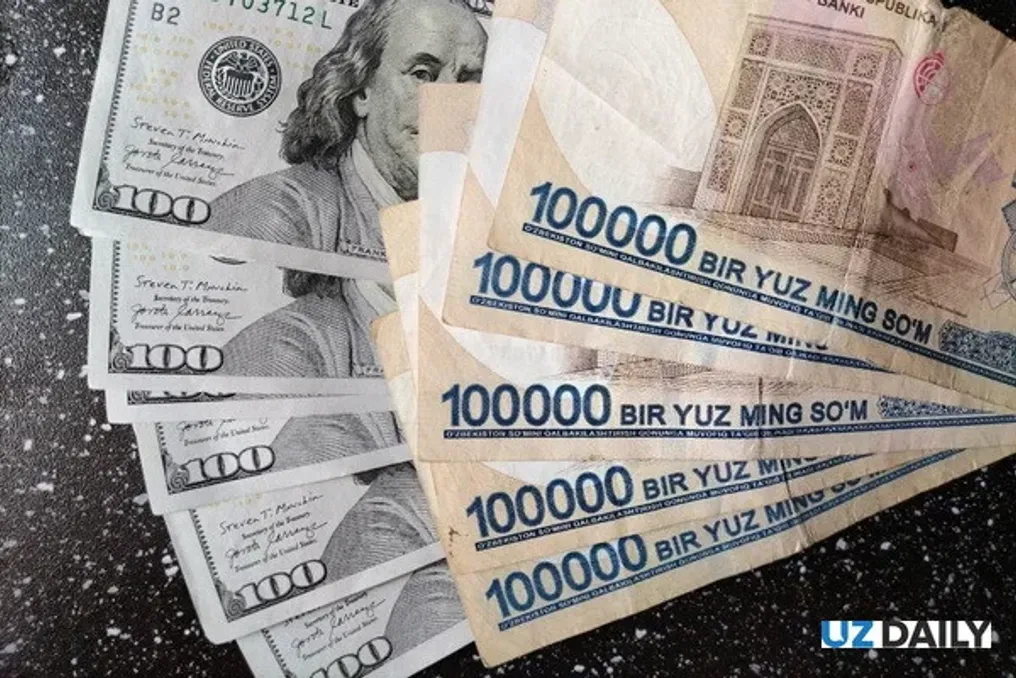
Uzbekistan proposes reforming the support system for innovative startups
Read more
uzdaily.uz

Uzbekistan proposes reforming the support system for innovative startups

The Ministry of Higher Education, Science and Innovation of Uzbekistan has prepared a draft reform of the innovative startup support system. This document has been posted on the portal for discussion of normative legal acts projects.

The proposed changes concern approaches to selecting and financing startups. They include evaluating projects according to international criteria, as well as implementing incubation and acceleration programs based on international experience.

The government plans to allocate funding to no less than 50 startups annually, starting from 40 billion soms. Additionally, the plan provides for attracting private investments, venture funds, and companies amounting to $500,000 annually.

Starting from January 1, 2027, it is proposed to fully digitize the procedures for submitting, selecting, and financing startup projects. To achieve this, a specialized platform for working with innovative startups and a register of legal entities engaged in scientific and innovative activities are planned to be launched.

State funding will only be available to startups that have passed incubation or acceleration programs. The Innovation Development Agency will accept project proposals and direct them to relevant programs for participation. To expand funding sources, the platform also includes a crowdfunding function.

The proposed funding amounts will depend on the Technology Readiness Level (TRL) of the project, according to ISO criteria. Incubator and accelerator organizers can receive up to 30 basic calculation units per startup with TRL from 1 to 3, up to 50 basic calculation units for TRL from 4 to 6, and up to 70 basic calculation units for TRL from 7 to 9. These amounts are indicated in the draft as 13.2 million, 22 million, and 30.8 million soms, respectively.

Startups with TRL from 4 to 6, recognized as effective after the programs, may apply for funding of up to 485 basic calculation units, which amounts to 213.4 million soms. For projects with TRL 7 and above, the maximum proposed funding amount reaches 4,500 basic calculation units, or 1.98 billion soms.

Furthermore, state funding is provided on the condition that the startup founder attracts private investment. It is proposed that the Council for Integration of Innovation and Industry approve the budget funding, whose composition will be approved by the Head of the Presidential Administration.

The Startup Support Center will assist funded projects that have undergone incubation or acceleration in advertising and marketing. In addition, the center will present proposals to state bodies and industrial enterprises at least twice a year regarding the implementation of innovative developments. The draft resolution will be open for public discussion until October 2.

Popular