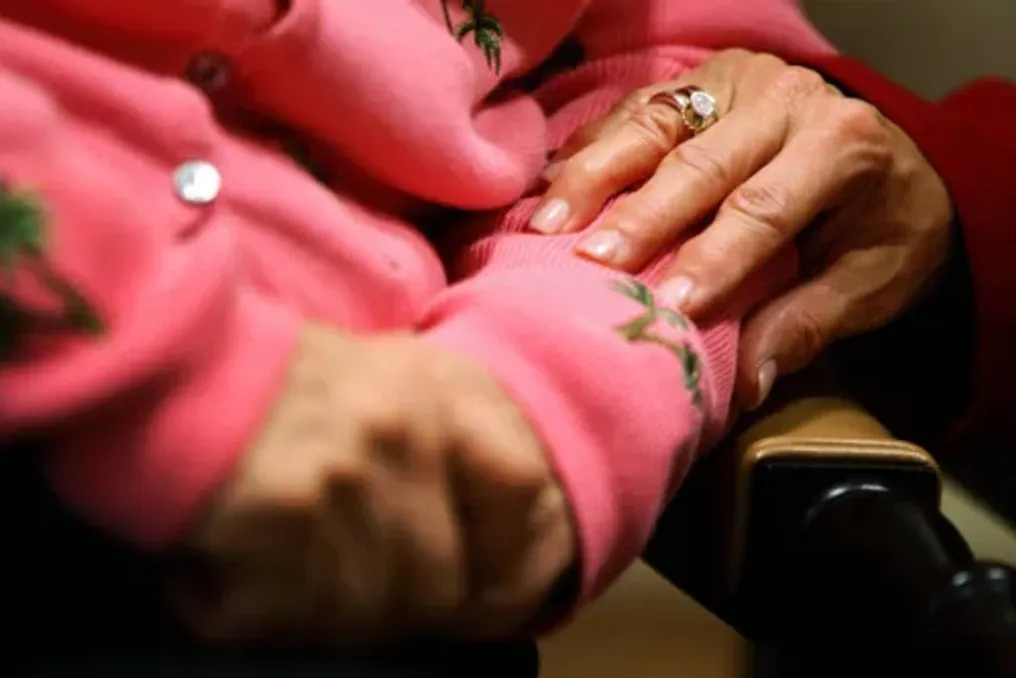
On Alzheimer's Day, families are urged to take changes in memory, behavior, and daily activities seriously, rather than dismissing them as natural aging processes. Organizations use this day to call for earlier diagnosis and support for people suffering from dementia.
Alzheimer's Day was observed on September 21st under the slogan, 'The sooner you know, the more you can do: dementia diagnosis matters.'
It is not always easy to determine whether forgetfulness is part of normal aging or requires a medical examination. Debbie Beech, a social worker with experience in dementia since 2017 and manager of Elphin Lodge nursing home from Rand Aid Association, emphasized that memory problems should not be ignored if they begin to interfere with daily life.
Beech stated that dementia differs from normal aging, and early diagnosis is always recommended so that people can make decisions in advance while they are still capable of doing so. Early diagnosis allows families to plan future care, organize financial affairs, and create memories while the person can fully participate in life.
She also insisted that people with dementia should participate in decisions about their future care as much as possible. Beech clarified that forgetting some details of the day is normal with aging, but stress, medication, vitamin deficiency, emotional state, and poor sleep can also affect memory. For example, if a person goes into the kitchen and forgets the reason but remembers after retracing their steps, it is considered normal; but if forgetfulness begins to affect daily functions, it should be investigated.
Beech added that caring for a person with dementia can place significant emotional and physical strain on families, as it is easy to let one's entire life revolve around the care-dependent person, leading to burnout. She noted that regular breaks are vital, and someone else from the family or a hired caregiver must be able to take over duties and give the primary caregiver time for themselves. Furthermore, she stressed that running errands or shopping does not count as real rest.
At the provincial level in Gauteng, support for elderly people needing assistance is expanding. Nomantu Nkomo-Ralehko, a representative of the MEC for Social Development in Gauteng, stated that the consequences of Alzheimer's disease and dementia are felt not only by the patient. She said that behind every person with Alzheimer's disease or dementia is a family and community that also requires support.
The department urged families to seek help as soon as changes in memory, behavior, or ability to manage daily tasks become noticeable. Nkomo-Ralehko also emphasized the need to protect the elderly from isolation and neglect, stating, 'We must build communities where aging is not associated with neglect or isolation.'
Nationally, the Ministry of Health is finalizing the National Policy Framework and Strategy for Older Persons, aimed at improving access to healthcare and the quality of care, including long-term care. This work aligns with South Africa's commitments under the United Nations Decade of Healthy Ageing, which promotes person-centered care and better access to long-term support for older persons.