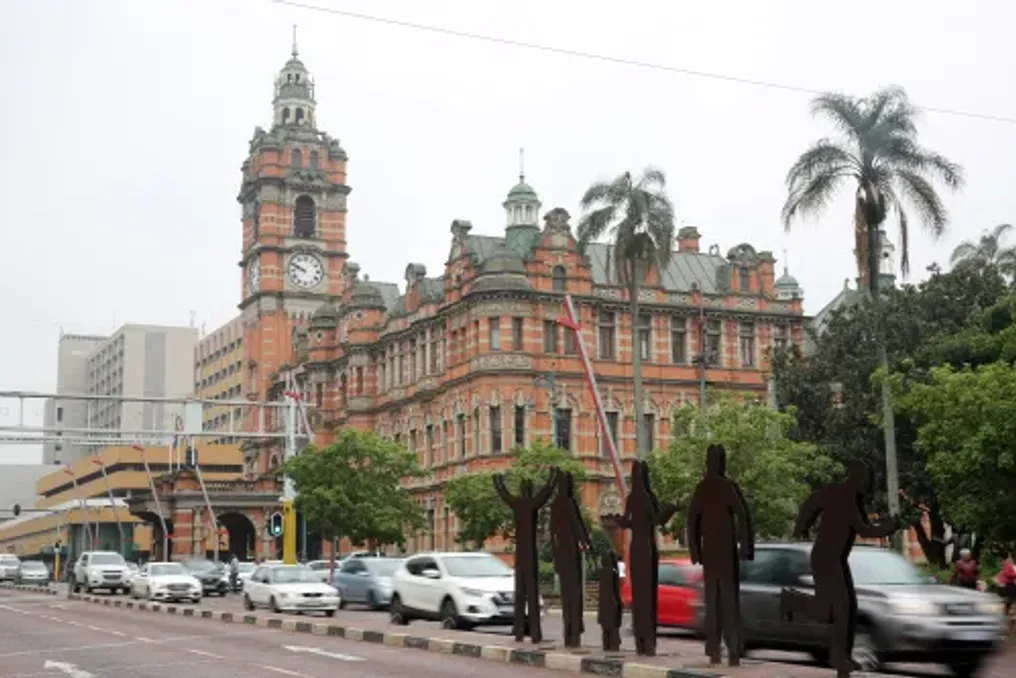
Scopa Committee Intensifies Oversight of Msunduzi and Masilonyana Municipalities Due to Serious Issues
Read more
IOL
iol.co.za

Scopa Committee Intensifies Oversight of Msunduzi and Masilonyana Municipalities Due to Serious Issues

The Parliamentary Standing Committee on Public Accounts (Scopa) intends to strengthen control over local municipalities to enhance financial accountability and improve the quality of service delivery. Scopa expressed concern over the lack of consequences for improper actions and also plans to examine the role of provincial governments and municipal financial reports, which are also responsible for holding councils accountable.

On Tuesday, the oversight body for public accounts focused on two such problematic municipalities: Msunduzi in KwaZulu-Natal and Masilonyana in Free State. Both local municipalities face operational, managerial, and financial crises that seriously undermine their ability to provide essential services.

The Committee found that financially, both municipalities struggle with revenue collection, growing debt burdens, and widespread non-compliance with supply chain management rules, leading to increased amounts of unauthorized, irregular, fruitless, and wasteful expenditure.

According to the committee's report, prepared after monitoring visits, 'Operational activities are severely paralyzed by dilapidated, poorly maintained infrastructure, causing losses in the distribution of utilities such as water and electricity.'

Structurally, both municipalities show significant vulnerabilities in human resources, noted by prolonged leadership vacancies and widespread non-compliance by staff with minimum qualification requirements, as well as a failure in internal consequence management, where oversight bodies do not ensure timely application of disciplinary measures.

Although the audit results for Msunduzi for the 2024/25 financial year improved compared to previous years' qualified opinions, deputies noted that substantial issues remain regarding performance reporting, compliance, financial management, and infrastructure provision.

The Auditor-General of South Africa (AGSA) had previously informed Scopa earlier this year that despite the municipality spending 88% of its budget for the 2024/25 financial year, it achieved only 57.9% of its targets for basic service delivery.

The municipality failed to meet key service delivery goals, including the percentage of repaired main breaks, which was only 7% against a target of 60%. Similarly, the goal for the percentage of blocked sewer systems cleared was not met: only 10.9% achieved against a target of 60%.

Furthermore, the municipality aimed to construct one reservoir during the fiscal year under review but failed to do so because the contractor was only provided with the site in June 2025. Lawn mowing services were provided in only 17 out of 30 planned districts, and waste removal services were provided to only 4,765 out of 5,100 households.

The report indicates that the municipality stated these targets were not met due to operational constraints, including mass breakdowns of vehicles and equipment combined with staff shortages and vacant positions.

In the 2024/25 financial year, the municipality incurred fruitless and wasteful expenditure of R114.06 million, higher than the R25 million in the previous financial year. The main sources of this expenditure were interest accrued on overdue payments (R87.017 million), mainly related to Eskom and Umngeni Water. Other contributions included overpayments to senior officials (R6.026 million) and other employees (R1.187 million), as well as payments to the Royal AM Premier Soccer League team (R10.350 million).

During the fiscal year under review, the municipal council wrote off R126.088 million as irrecoverable. Scopa expressed concern that the municipality does not conclude disciplinary cases in a timely manner. Deputies highlighted problems related to staff remaining on paid leave pending dismissal for extended periods, leaving or retiring before disciplinary hearings are concluded, ultimately preventing action against misconduct.

The municipality informed deputies that to prevent fruitless and wasteful expenditure caused by prolonged paid leave (more than six months), the municipality sometimes reinstates suspended employees into other departments while their disciplinary investigations are ongoing.

The Committee also learned that disciplinary and forensic audits faced serious delays due to death threats and intimidation directed at investigators, evidence managers, and presiding officers. Since internal staff received threats, the municipality referred to external panels and investigators from the South African Local Government Association (SALGA) to conduct disciplinary proceedings.

Regarding Masilonyana, Scopa concluded that the municipality 'is characterized by severe administrative dysfunction, poor record-keeping, and financial instability.' The Committee noted that the issues identified in May coincide with those discovered by its predecessor in August 2022 during a monitoring visit to the municipality.

The Committee stated that it found serious deficiencies in governance, financial management, service delivery, record-keeping, project management, revenue collection, supply chain management, and consequence management.

The municipality was taken over in February due to governance failures, financial distress, and inability to meet statutory obligations for service delivery.
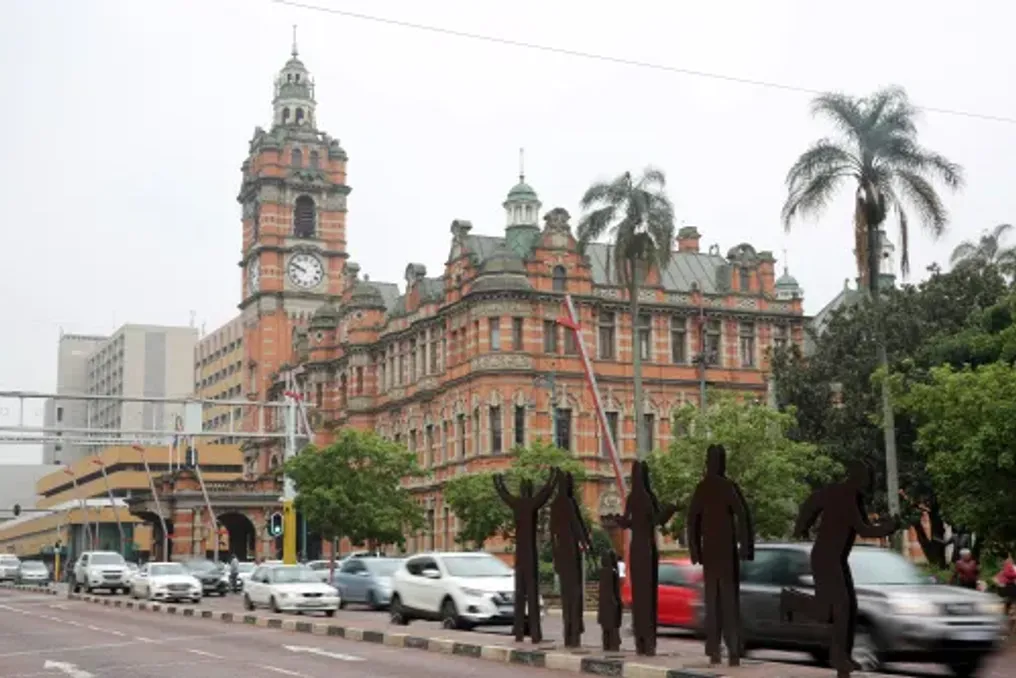
Similar stories

Scopa Committee Identifies Financial and Service Delivery Issues in Msunduzi and Masilonyana Municipalities
Read more
iol.co.za

Scopa Committee Identifies Financial and Service Delivery Issues in Msunduzi and Masilonyana Municipalities

The Portfolio Committee on Public Accounts (Scopa) intends to strengthen oversight of local municipalities to enhance financial accountability and improve the quality of service delivery. Scopa also expresses concern over the lack of consequences for improper actions and plans to examine the role of provincial governments and municipal public accounts, which are also responsible for council oversight.

On Tuesday, the public accounts oversight body focused on two problematic municipalities: Msunduzi in KwaZulu-Natal and Masilonyana in Free State. Both local municipalities face operational, managerial, and financial crises that seriously undermine their ability to provide essential services.

The Committee found that both municipalities struggle with revenue collection, growing debt burdens, and widespread non-compliance with supply chain management rules, leading to increased amounts of unauthorized, irregular, fruitless, and wasteful expenditure.

According to the committee's report, prepared after oversight visits, 'Operational activities are severely paralyzed due to dilapidated, poorly maintained infrastructure, causing losses in the distribution of utilities such as water and electricity.'

Structurally, both municipalities show significant vulnerabilities in human resources, noted by prolonged leadership vacancies and widespread non-compliance by staff with minimum qualification requirements. Furthermore, there is a breakdown in internal consequence management, as oversight bodies fail to ensure timely application of disciplinary measures.

Although the audit results for Msunduzi for the 2024/25 financial year improved compared to previous years' qualified opinions, the MPs noted persistent serious issues regarding performance reporting, compliance, financial management, and infrastructure provision.

The Auditor-General of South Africa (AGSA) previously informed Scopa this year that despite the municipality spending 88% of its budget for the 2024/25 financial year, it only achieved 57.9% of its targets for basic service provision.

The municipality failed to meet key service delivery goals, including the percentage of main pipe bursts repaired, achieving only 7% against a target of 60%. Similarly, the goal for the percentage of sewer blockages cleared was not met: only 10.9% achieved against a target of 60%.

Additionally, the municipality aimed to construct one reservoir during the financial year under review but failed to do so because the contractor was only provided with the site in June 2025. Lawn mowing services were provided in only 17 out of 30 planned districts, and waste removal services were provided to only 4,765 out of 5,100 households.

The report indicates that the municipality attributed these failures to operational constraints, including mass breakdowns of vehicles and equipment combined with staff shortages and vacant positions.

In the financial year under review, the municipality incurred fruitless and wasteful expenditure of R114.06 million, higher than the R25 million in the previous financial year. The main factors contributing to this expenditure were interest accrued on overdue payments (R87.017 million), mainly from Eskom and Umngeni Water.

Other contributions included overpayments to senior officials (R6.026 million) and other employees (R1.187 million), as well as payments to the Premier Soccer League Royal AM team (R10.350 million).

During the financial year under review, the Msunduzi Council wrote off R126.088 million as irrecoverable. Scopa expressed concern that the municipality does not conclude disciplinary cases in a timely manner. MPs highlighted problems related to staff remaining on paid leave pending dismissal for extended periods, leaving or retiring before disciplinary hearings are concluded, ultimately preventing action against misconduct.

The municipality informed MPs that to prevent fruitless and wasteful expenditure caused by prolonged paid leave (over six months), the municipality occasionally redeploys suspended employees to other departments while their disciplinary investigations are ongoing.

The Committee also learned that disciplinary and forensic audits faced serious delays due to death threats and intimidation directed at investigators, evidence managers, and presiding officers. As internal staff received threats, the municipality referred matters to external commissions and investigators from the South African Local Government Association (SALGA) to conduct disciplinary proceedings.

Regarding Masilonyana, Scopa concluded that the municipality 'is characterized by severe administrative dysfunction, poor record-keeping, and financial instability.' The Committee noted that the issues identified in May align with those discovered by its predecessor in August 2022 during an oversight visit to the municipality.

The Committee stated that it found serious deficiencies in governance, financial management, service delivery, record-keeping, project management, revenue collection, supply chain management, and consequence management.

The municipality was taken over in February due to governance failures, financial distress, and inability to meet statutory obligations for service delivery.

Popular