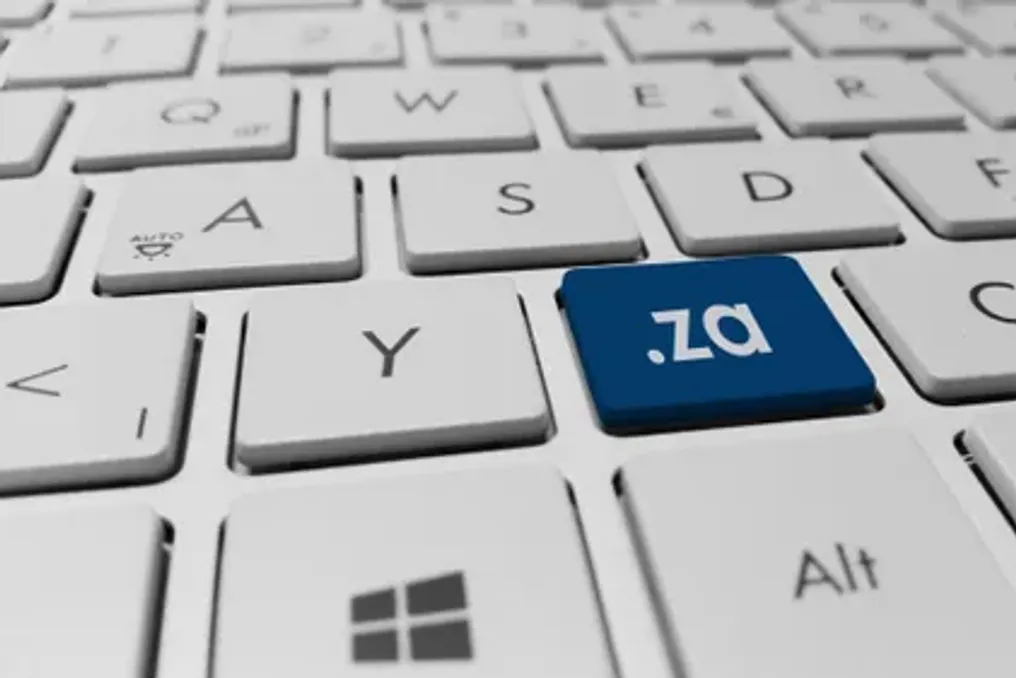
Every day, South Africans leave a digital footprint, often without considering the infrastructure that supports it. They register domain names, open bank accounts, apply for online services, conduct trade, work, study, communicate, and build businesses on platforms and infrastructure that they rarely think about, but which makes these interactions possible.
Most of the infrastructure supporting digital life remains unnoticed until something goes wrong—for example, if a website becomes unavailable, a service is disrupted, or digital identification is misused. In such moments, the systems we take for granted suddenly become apparent.
Nevertheless, digital identity is often reduced merely to a website address, an email, or an online profile. However, in reality, these elements are increasingly playing a crucial role in how people, companies, and institutions shape their presence and participate in the digital economy. Consequently, protecting these elements becomes part of a broader discussion about South Africa's trust, resilience, and digital sovereignty.
Angel Celebano, Public Relations and Marketing Manager at .za Domain Name Authority (.zadna), notes: 'Digital sovereignty is not an abstract concept intended only for governments or technology specialists. It affects how safely and confidently people, companies, and institutions participate in the digital world.'
Digital sovereignty does not mean isolating South Africa from the global internet. It implies having the necessary infrastructure, capabilities, and governance mechanisms for confident participation in this global ecosystem. One of the critically important, yet largely hidden, layers supporting this participation is the Domain Name System (DNS), which translates domain names into technical IP addresses, allowing users to access websites and online services.
For most people, DNS is something they never need to think about. And this is precisely what matters, as it is part of the basic infrastructure that ensures the internet functions as a daily utility. As Celebano says: 'When everything works, few notice it. But when digital infrastructure fails, its importance becomes much clearer. The consequences can extend beyond technology, affecting business, public services, and trust in online systems.'
Celebano emphasizes that digital infrastructure is both economic and social. Its resilience is vital because a large part of our daily activities depends on the ability to reliably connect to the network. However, there is another growing threat—the misuse of digital identities, where domain management becomes important.
Scammers are capable of creating websites that mimic banks or other reputable organizations. Messages may appear to come from government agencies or familiar companies. Domain names can be used to create an impression of legitimacy, even if the people behind the site or message have no connection to the organization they supposedly represent.
For the recipient of a message or a visitor to a website, the deception technology may remain invisible. What matters is whether they believe they are dealing with a trustworthy organization. This is why the discussion about .za must concern more than just a domain extension; it must address identity, infrastructure, and governance.
The .za domain name itself does not make a website legitimate nor prevent fraud. What a regulated national namespace can provide are mechanisms to identify, report, and eliminate certain forms of domain abuse. The Internet Service Providers' Association (ISPA), the ZA Registry Consortium (ZARC), and the .za Domain Name Authority (.zadna) have defined ways to combat various types of domain fraud and abuse.
Internet users are advised to review the ISPA's public guide on domain name fraud (version 2.0), which provides practical guidance and tools for combating domain fraud based in South Africa. Celebano points out the importance of distinction: a domain name can establish identity, but trust is built on how an organization uses that identity. He adds: 'Digital trust is not created by a domain name alone. It is strengthened when there are governance mechanisms, responsible operators, and practical remedies when things go wrong.'
For businesses, protecting digital identity means looking beyond the website itself. It requires understanding how the organization is represented online, securing systems related to its digital identity, and responding quickly in case of misuse or compromise of that identity. For private individuals, some of the most useful precautions are the simplest: carefully checking website addresses, being cautious about unsolicited links, protecting login credentials, and reporting suspected fraud through appropriate channels.
The Significance of the .za Domain
The .za namespace is part of South Africa's national digital infrastructure. For an entrepreneur, a domain name can be the digital home of a business. For an established organization, it serves as the gateway through which clients, suppliers, and other stakeholders interact with it. For users, a domain name can be one of the first signals they encounter when deciding whether an online presence belongs to the organization it claims to represent.
Collectively, these digital identities also contribute to South Africa's presence in the global digital economy. Therefore, the discussion about .za goes beyond a simple domain extension; it touches upon identity, infrastructure, governance, and the ability of South Africans to create and maintain a trusted online presence.
Digital sovereignty will not be achieved by one institution, one technology, or one domain name. It is built through resilient infrastructure, effective governance, responsible organizations, and informed users working together. The stakes are becoming increasingly real: South Africa's digital future is being built daily through businesses creating online identities, the digitization of public services, and citizens' growing reliance on digital systems for work, transactions, and communication. As Celebano concludes: 'The infrastructure supporting this activity can remain largely invisible. But the identities built upon it—no. For South Africans creating or strengthening their online presence, choosing .za is one of the practical ways to establish a clear South African digital identity. However, protecting this identity is a shared responsibility.'