A scientific report indicates that humanity has already surpassed seven of the nine planetary boundaries established by science to ensure the Earth remains in a stable state. The findings are contained in the document Planetary Health Check 2026, produced by the Potsdam Institute for Climate Impact Research, which introduced ocean acidification to this list for the first time.
The seven boundaries that have already exceeded the considered safe range include: climate, biodiversity, land use, water cycle, fertilizer excess, pollution, and ocean acidification. The ozone layer and air pollution remain within the safe zone, despite an increase in risks associated with atmospheric aerosols in certain areas.
Planetary boundaries serve as parameters to assess whether the planet's main natural systems remain within a safe range. Exceeding these frontiers does not necessarily imply an immediate and uniform global change; the core issue lies in the increased risk of transformations that may be lasting and even irreversible.
Boris Sakschewski, the study's lead author, clarified: 'The diagnosis is unequivocal. Pressure is increasing across all planetary boundaries that are already outside the safe operational space.'
The report also links the alteration of these systems to various environmental emergencies. In Europe, several countries recorded their hottest summers, with Sardinia, Italy, reaching 48.4°C, a period marked by droughts and fires. Furthermore, the floods in Pakistan in 2025 affected more than 6.9 million people.
In 2026, the collapse of a glacier in the Himalayas resulted in floods in Nepal and Tibet, causing the destruction of communities and the death of at least 1,300 individuals.
More information on the topic:
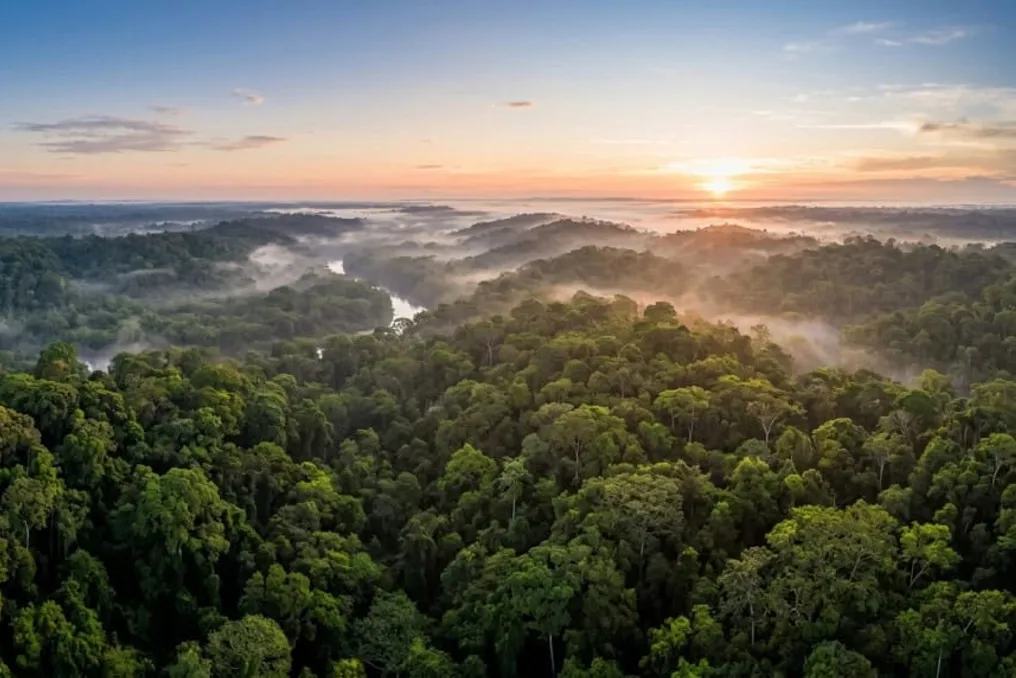
The study demonstrates the connection between climate and biodiversity. Continuous deforestation in the Amazon represents a threat to one of the planet's largest carbon reservoirs, while bottom trawling in the ocean causes persistent damage to the seabed, with an estimated 1% to 2% of the ocean floor being impacted annually by this practice.
Another source of pressure mentioned is the growing exploration of deep-sea mining, whose total impact cannot yet be fully quantified according to the research.
It is important to note that the Planetary Health Check 2026 does not present the scenario as inevitably irreversible. The recovery of the ozone layer is presented as an example of successful collective response. The report concludes by stating that tools already exist to combat carbon emissions, natural degradation, and pollution.
Johan Rockström, director of PIK and co-author of the report, emphasized that although time is short, there is knowledge, capacity, and solutions to reverse the course. The key to change lies in how quickly these solutions will be implemented to reduce pressure on natural ecosystems and restore safe conditions.