In connection with World Pharmacist Day on September 25th, it has become relevant to highlight the complex process that a medicine undergoes from the moment of its creation in the factory until it reaches the patient's hands. The consumer only sees the final stage—the moment when the pharmacist checks and hands over the drug, but before this, the medicine goes through stages of production, supply, transportation, and storage, each of which critically requires monitoring its quality, storage conditions, and the accuracy of data on the packaging.
The packaging's journey begins at the manufacturing enterprise. Here, the quality of the final product is determined by controlling raw materials and adhering to technological processes. The packaging must necessarily indicate data such as batch number and expiration date, which are necessary for identification and correct use of the drug. Digital marking allows distinguishing every individual package, because even boxes that look identical in appearance, dosage, and batch have a unique digital code.
This code is linked to the packaging information in the National Digital Marking Information System Asl Belgisi. As all operations are recorded in the system, a complete history of the drug's movement is formed, and the completeness of this history directly depends on the timeliness and correctness of data transmission by all participants in the process.
Transportation and Storage until the Pharmacy
Logistics companies and suppliers are obliged to maintain specific conditions during transport and storage to preserve the properties of the medicine, especially if it is sensitive to temperature fluctuations. Temperature regime is ensured by special equipment and personnel, and all this information is recorded in the digital system. Accompanying documentation allows tracing who passed the product to whom next, and the marking links this turnover data to specific units of goods, helping to identify any discrepancies in supplies.
The pharmacy's work begins long before contact with the buyer: incoming medications must undergo thorough inspection before being placed on the shelves. Gulkhumor Karabayeva, commercial director of the Navbahor pharmacy chain, notes that upon receiving goods, compliance with accompanying documents, integrity of the packaging, expiration dates, and presence of marking are checked. Code verification is carried out through the Asl Belgisi system, which guarantees the correctness of drug data up to the point of sale.
According to her, checking the marking is an integral part of the procedure for receiving and dispensing medicines. If discrepancies are found, the drug is not allowed to be sold until the circumstances are clarified and the information is reconciled with the supplier. Pharmacy staff must not just notice a problem but fully understand it before handing the medicine to the client. After acceptance, proper storage must be ensured. Upon dispensing, the pharmacist checks the form of release and dosage, considers the prescription, and advises the buyer within their competence. Scanning the code when processing the sale records the removal of that package from general circulation.
According to CRPT TURON, in 2025, the number of pharmacies connected to the system reached 7,652, which is 16.7% higher than the 2024 figure. Although the buyer does not see these internal procedures, it is the professionalism and attentiveness of the staff that builds trust in the pharmacy institution. Digital tools help detect errors, but further action always requires the intervention of a qualified specialist.
How System Data Helps in Pre-Sale Checks
According to information presented in the National Information System (NIS) Asl Belgisi, in 2025, over 251 million marked packages of medicinal products were sold using receipts. Code verification allows matching data about the package and its movement, but this does not replace quality control of the drug itself. In permission mode when scanning the code at the checkout, the system checks the registration of the code, the product's expiration date, as well as information about possible previous withdrawal from circulation or suspension of circulation (for example, in case of a batch recall).
If the check yields a negative result, this serves as grounds for restricting the sale. The manufacturer transmits expiration date data to the system, linking it to the code of a specific package. This information can be used by the pharmacist for additional control of expiration dates immediately before sale.
Verification Possibilities for the Buyer
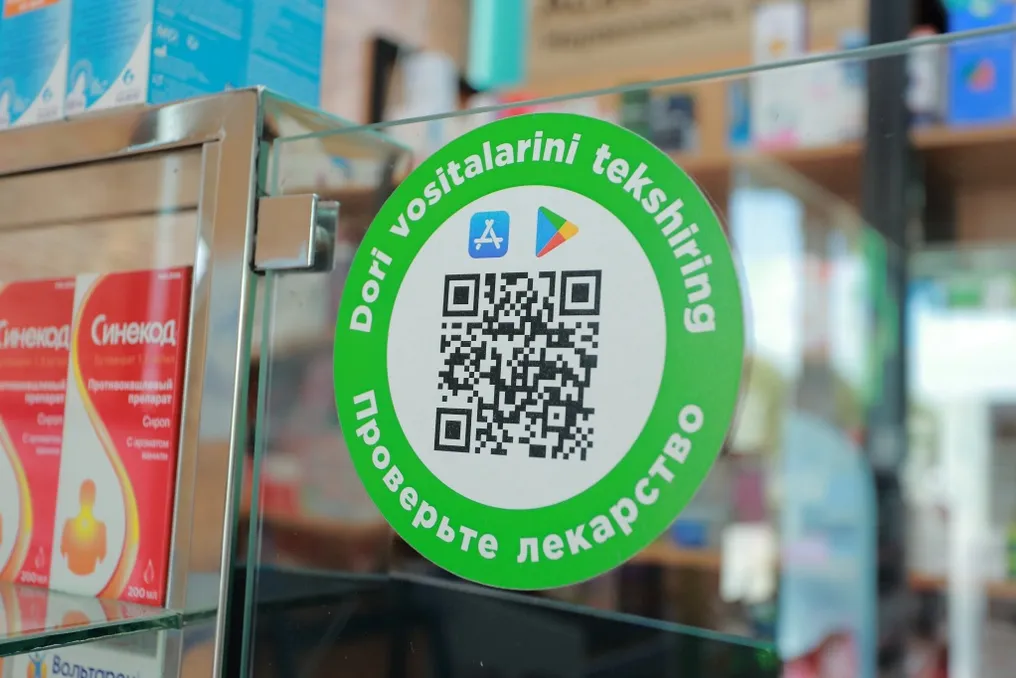
Buyers can also independently check the packaging using the Asl Belgisi mobile application and by scanning the marking code. The drug card contains information about the manufacturer, regulatory and accompanying documentation, as well as the expiration date and the result of the marking check. When purchasing medicine, it is important to ensure not only that the data in the application matches the packaging, but also that the code status is not written off or withdrawn from circulation. If the application displays such a status, there are data discrepancies or the scan results raise doubts; it is recommended to consult a pharmacist or contact Asl Belgisi support.
Gulkhumor Karabayeva notes that consumer interest in marking is gradually increasing. She adds that if a buyer has questions, pharmacy staff explains the principle of the Asl Belgisi system and assists in checking the marking.
According to the NIS Asl Belgisi, in 2025, over 7.3 million scans of drug codes were made through the mobile application, which is significantly higher than the 1.1 million recorded in 2024.
Distribution of Responsibility at All Stages
Tracking the path of the medicine to the end consumer rests on the shoulders of several parties. The manufacturer is responsible for the quality of the produced product, suppliers are responsible for complying with transport and storage conditions, and the pharmacy is responsible for checking the received goods, storing them, and correctly dispensing them. State bodies supervise the process, and Asl Belgisi ensures the full traceability of the drug, helping all participants work with packaging data and monitor its movement.
For the end consumer, this multi-level work becomes apparent when interacting with the pharmacist. Behind every dispensed package are document checks, expiration date controls, and, if inconsistencies are found, clarification of reasons with the supplier. World Pharmacist Day serves as an occasion to note the daily responsibility of these specialists, to whom people turn with any questions about medicines.