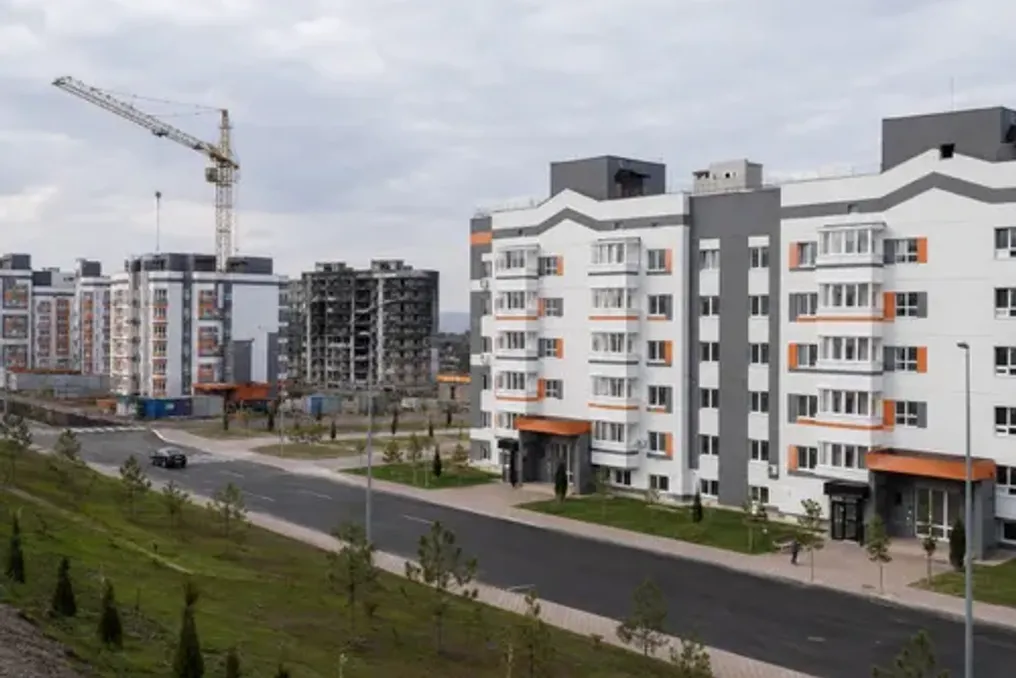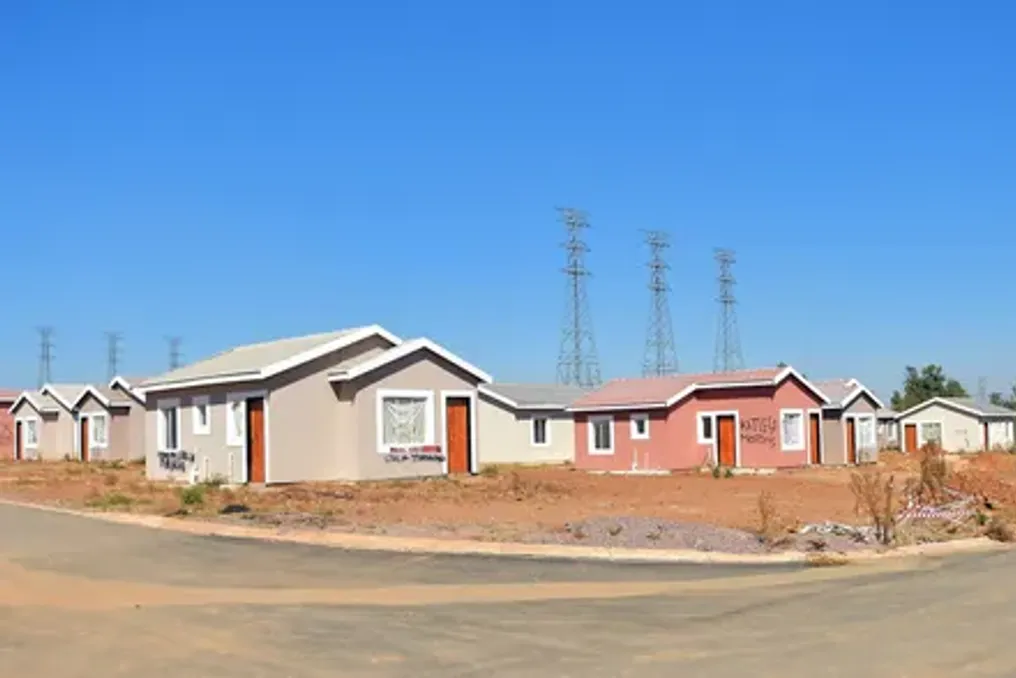
Housing Minister Simelane confirmed that the national housing deficit exceeds 2.3 million units. According to data reflected in the National Housing Needs Register (NHNR), over 2.3 million households have registered a need for housing assistance.
Responding to a question from EFF Member of Parliament Tebogo Mokwele, Simelane explained that housing demand is dynamic and constantly changes due to various factors, including migration flows, population growth, urbanization, and household formation. She emphasized that while the figure demonstrates the scale of housing need in the country, it cannot be viewed solely as an indicator of government effectiveness, as demand continues to rise due to socio-demographic pressure.
Reasons for the Growth of Housing Needs in South Africa
The minister noted that the human settlement sector is forced to operate under limited financial resources, and budget cuts affect the pace of housing provision. Consequently, provinces and municipalities face the necessity of balancing growing demand against finite financial and executive capacities.
Tebogo Mokwele asked whether the national housing deficit has increased despite her department receiving over 30 billion rand annually in budgetary allocations and implementing measures to reduce the backlog this year. Simelane cited rapid urbanization, population growth, the continued expansion of informal settlements, and limited availability of suitable and serviced land as the main causes of the housing deficit and need.
Limitations in Funding, Land, and Infrastructure
Other contributing factors include limitations in basic infrastructure, rising construction and development costs, historical project delays, and capacity issues in some implementing agencies. Simelane particularly highlighted the critical importance of land acquisition and servicing, as housing construction is impossible without identifying, acquiring, planning, approving, and providing suitable land with necessary basic and connecting infrastructure.
Despite existing challenges, the minister stated that the government continues to implement a series of measures aimed at reducing housing needs and expanding access to sustainable human settlements. She clarified that reducing the housing deficit is a long-term process that cannot be achieved within one fiscal year.
The department implements and monitors its measures within the Medium Term Expenditure Framework (MTEF) and aligns them with the Medium Term Development Plan. In the current period, the department will increase housing provision through a combination of subsidized housing, serviced plots, upgrading of informal settlements, and affordable housing interventions.
Government Plan to Reduce Housing Deficit
Simelane also reported that annual targets are included in the department's annual performance plan and are tracked quarterly and annually. Progress is reported through oversight and accountability mechanisms, including the submission of an annual report to Parliament. The minister stressed her department's commitment to gradually reducing housing needs through a sustainable, financially responsible, and integrated approach to human settlements, which balances growing demand with available resources and implementation capabilities.
Simelane insisted that housing needs should not be viewed as a fixed quantity that can only be eliminated by increasing budgetary allocations. She concluded that housing demand continuously changes due to population growth, urbanization, migration to economic centers, and the formation of new households, so although the government continues to provide housing annually, additional housing demand is generated every year.