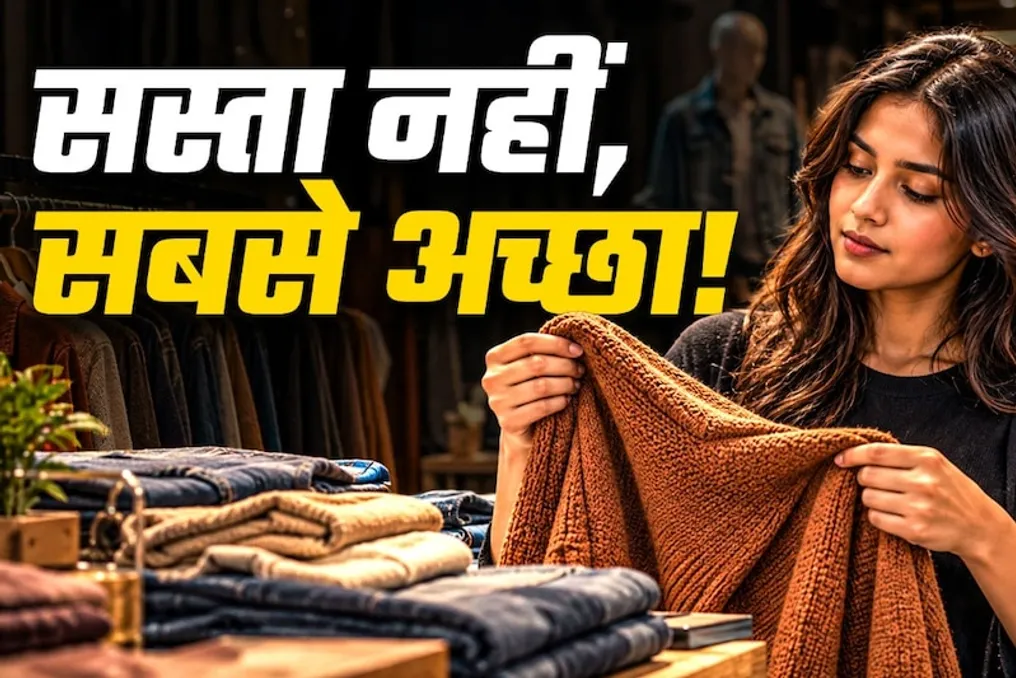
For the modern Gen Z and young consumers, fashion is no longer limited to following new trends. When buying clothes, price is no longer the only important factor; quality, design, and brand are also crucial. In other words, it is not enough for clothing to be merely cheap and trendy; it must offer adequate value for the money spent.
According to the Deloitte India report published on January 28, 2026, titled 'Weaving a New India Identity: The Rise of Fast Fashion and Affordable Premium,' the fashion market in India is undergoing such changes. People prefer to spend money on items that offer them better quality and value, rather than purchasing large quantities of clothing.
These changes are also reflected in brand preferences. The report indicates that about 40% of people have tried new fashion brands in the last year. Social media, recommendations from others, and fair pricing encourage people to try new labels. Young and urban consumers, in particular, strive to explore new fashion, but they are also careful about how well the product matches their budget.
Simply put, people are starting to spend money not only on the cheapest clothes but also on more expensive and higher-quality ones. Clothing in the price range of 3500 to 7000 rupees is called 'affordable premium fashion,' and this segment is expected to grow at an average annual rate of about 25%. Furthermore, a higher growth—over 45% annually—is forecasted for the more expensive premium clothing market. This means that in fashion, people place greater importance on brand, quality, and style alongside price. Simply put, they are willing to pay a little more for better quality and design, rather than for very cheap clothing.
However, this does not mean that people are spending money on expensive things thoughtlessly. According to the report, premium purchases are often made during sales, holidays, or on the occasion of a special event. Thus, there is a desire for high-end fashion, but purchases remain considered.
When choosing clothes, attention is now paid not only to the garment itself and its cost. About 30% of buyers note that the atmosphere and overall in-store experience influence their purchasing decision. A good ambiance, competent advice, and a positive interaction experience with the brand can affect the buyer. Consequently, in fashion, it is no longer just about what is bought, but also where and how it is acquired.
Overall, the changes in the Indian fashion market are evident. Consumers are focused not on increasing purchase volume, but on achieving better quality, fair price, and high value. It is this mindset that contributes to the development of affordable premium fashion.