
Local farmers support well-known South African beverage brands
Read more
Food For Mzansi
foodformzansi.co.za

Local farmers support well-known South African beverage brands

Behind many of South Africa's most recognizable beverage brands are farmers, suppliers, entrepreneurs, manufacturers, tourism operators, and employees whose incomes are linked to extensive local value chains.

The concept of heritage extends beyond the brands themselves to encompass the people, communities, and industries that continue to generate value through agriculture, manufacturing, tourism, entrepreneurship, and employment.

Tshidi Ramogase, Director of Corporate Affairs for Heineken Beverages, noted: 'Heritage is not just about celebrating where the brands came from. It is about recognizing the people and industries that support them today and ensuring they continue to create value for future generations.'

The beginning of heritage is rooted in people. Any brand with historical value originates long before it reaches the consumer. Examples include Amarula and the communities harvesting marula fruit in Limpopo, as well as the long-standing winemaking knowledge behind Nederburg, and the tourism ecosystem around House of J.C. Le Roux and the craftsmanship associated with Klipdrift. These brands support value chains in agriculture, manufacturing, hospitality, and services that extend far beyond the products themselves.

Ramogase emphasized: 'Before a brand reaches consumers, it starts with farmers, transporters, artisans, operators, and production teams. Protecting heritage means protecting the ecosystems that make these brands possible.'

Investing in South Africa's productive future

Earlier this year, Heineken Beverages and Soufflet Malt began construction of a new R2 billion crushing facility near the Sedibeng brewery in Gauteng. Once operational, the facility will produce up to 100,000 tonnes of malt annually, using 100% locally sourced barley, which strengthens South Africa's agricultural value chains and reduces reliance on imports.

The facility is expected to create between 200 and 400 jobs during construction and 55 permanent positions. This reflects the company's broader commitment to localization, agricultural development, and long-term industrial growth. The company has also allocated R775 million to supplier development and localization initiatives, helping to strengthen local industries and create opportunities for entrepreneurs and businesses across the value chain.

Through the Green Seeds Enterprise Development Program, the company supports small businesses through entrepreneurship training, mentorship, specialized guidance, and market access opportunities.

Preserving heritage is more than just celebrating the past; it is investing in the people, skills, industries, and communities that will shape the future. Through its Brew a Better World strategy, Heineken Beverages continues to invest in responsible consumption, water stewardship, climate change resilience, energy efficiency, and circular packaging solutions, supporting the long-term sustainability of the communities and value chains connected to its business.

Passing the heritage forward

Although Heineken Beverages was formed in 2023 through the merger of Heineken South Africa, Distell, and Namibia Breweries, the stories behind these brands began long before. The merger brought together not only a portfolio of established brands but also the people, opportunities, industries, and communities behind them.

Ramogase concluded: 'Heritage is not a license to stand still. It is an obligation to invest in what comes next. By supporting local agriculture, suppliers, employees, entrepreneurs, and communities, we help ensure that these brands continue to create value for South Africa in the distant future.'
Similar stories

The Value of Local Rapeseed Production for South Africa's Food Future
Read more
foodformzansi.co.za

The Value of Local Rapeseed Production for South Africa's Food Future

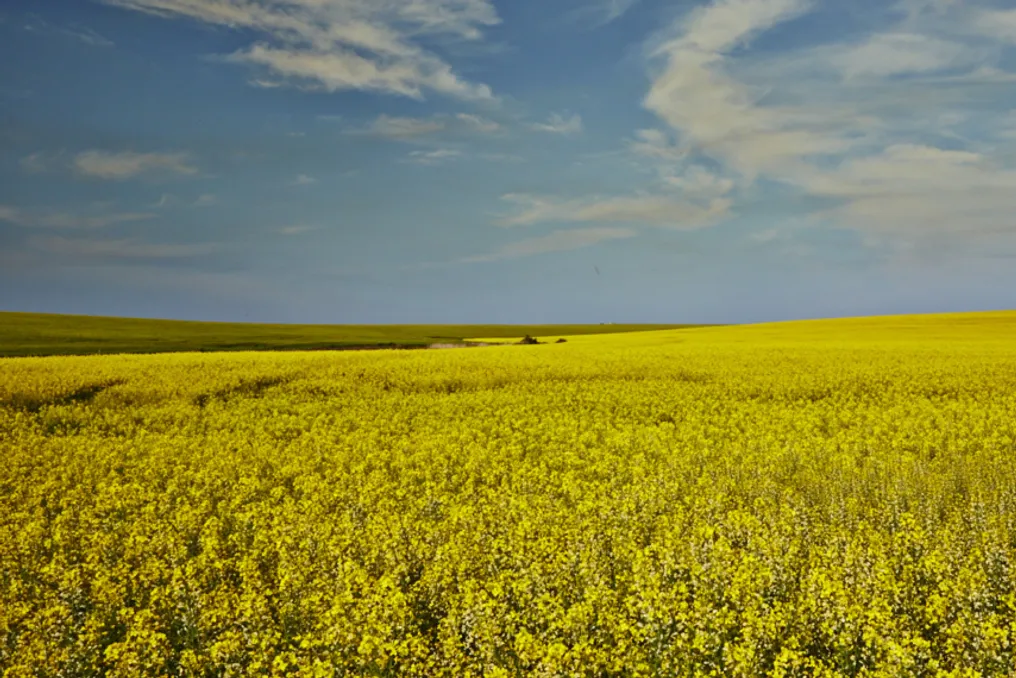
Rapeseed grown by local farmers and processed by Southern Oil (SOILL) plays an important role in strengthening grain systems, reducing carbon emissions, and producing nutritious feed. Through the B-well brand, this versatile, heart-healthy ingredient transforms local agricultural resources into everyday food products.

The future of food lies not only in inventing new products but also in more efficiently utilizing crops already grown and processed in South Africa, allowing greater value to be extracted from local agricultural resources. This is precisely what the story of rapeseed demonstrates.

Although rapeseed is often associated only with the name on a bottle of oil, it is part of a much broader value chain based on local production. B-well rapeseed oil is made from 100% South African, non-GMO rapeseed seed, which is grown by local farmers and processed in the city of Stellenbosch by Southern Oil (SOILL). This product connects farmers, processors, food manufacturers, retailers, and consumers, spreading from farms in the Western Cape to kitchens across the country.

For grain farmers, rapeseed serves a significant function in the overall farming system. Instead of continuous planting of grain crops, farmers rotate the cultivation of rapeseed with crops such as wheat and barley. As a cover crop, rapeseed helps control certain weeds and plant diseases, while also improving the yield of subsequent wheat harvests, contributing to a more diverse and sustainable cultivation system. The application of conservation agriculture methods improves soil health and nutrient cycling, and crop rotation supports more efficient fertilizer use.

After harvesting, the rapeseed seeds are sorted, stored, and transported for processing. At the Southern Oil (SOILL) facility, the seeds are cleaned and crushed to separate the oil from the other material. Approximately 42%–44% of the seeds is extracted as oil. The remainder is processed into rapeseed meal—a protein-rich ingredient used as animal feed, including for dairy and poultry. Thus, one seed contributes to both food production and livestock farming.

These two products together form a closed local value chain. The oil goes into consumer products, while the protein-rich meal returns to agriculture through animal feed. The efficient use of both streams helps minimize waste and maintain the flow of value between local farming and food production. This is the meaning of sustainable sourcing in the story of B-well rapeseed.

This is not just a statement that the seed is local; it reflects a combination of interconnected practices and outcomes: the seeds are grown by recognized South African farmers; rapeseed is included in crop rotation systems that support the overall grain production system; the local supply chain ensures a shorter and traceable path from farm to processor; processing takes place in South Africa, reducing the need for international transport; and both main products from the seed are utilized productively, helping to minimize waste and maximize the crop's value.

It should also be emphasized the environmental benefit of local production. A shorter and traceable route contributes to reduced transportation-related emissions compared to oils imported into South Africa from abroad. Furthermore, local sourcing provides a clear logistical advantage by shortening the path from agricultural production to processing and market. Since the rapeseed seeds are grown and processed locally, the agricultural and industrial value remains in South Africa.

Morné Bothes, Commercial Director of SOILL, notes: 'Rapeseed shows what is possible when local agriculture and processing work as a single system: one crop can strengthen crop rotation, provide a local food ingredient, and return valuable protein to the agricultural value chain.'

The extracted oil is ultimately refined and used in cooking oils, mayonnaise, sauces, and dressings. Rapeseed oil is naturally cholesterol-free, very rich in plant omega-3s, and has an omega-6 to omega-3 ratio of approximately 2:1. The B-well brand, created by Southern Oil, brings this rapeseed story to South African kitchens. Through products like B-well rapeseed oil and rapeseed-based mayonnaise, the brand offers consumers practical ways to incorporate rapeseed into their usual daily meals.

B-well rapeseed oil is approved by the South African Heart and Stroke Foundation and has received the Cansa Smart Choice seal. The Cansa seal is awarded to products that meet its scientifically based nutritional criteria in a specific food category. These independent recognitions confirm the product's nutritional quality and help consumers identify it as a conscious choice for everyday cooking oil.

Rapeseed oil also has a neutral taste, allowing the flavor of the food to remain the main focus. Its versatility makes it suitable for frying, baking, roasting, marinating, and salad dressings. The South African Food Future conference brings together people who grow, produce, move, sell, regulate, and buy food. Rapeseed is part of this discussion because its journey connects every part of this system. From local seed in the Western Cape to food and animal feed, rapeseed demonstrates how South African agriculture and local processing can create more value from one crop—supporting farmers, feeding people, and returning protein to agriculture.

Chenin Blanc Top 10 Competition Showcases Heritage and Quality of South African Wine
Read more
foodformzansi.co.za

Chenin Blanc Top 10 Competition Showcases Heritage and Quality of South African Wine

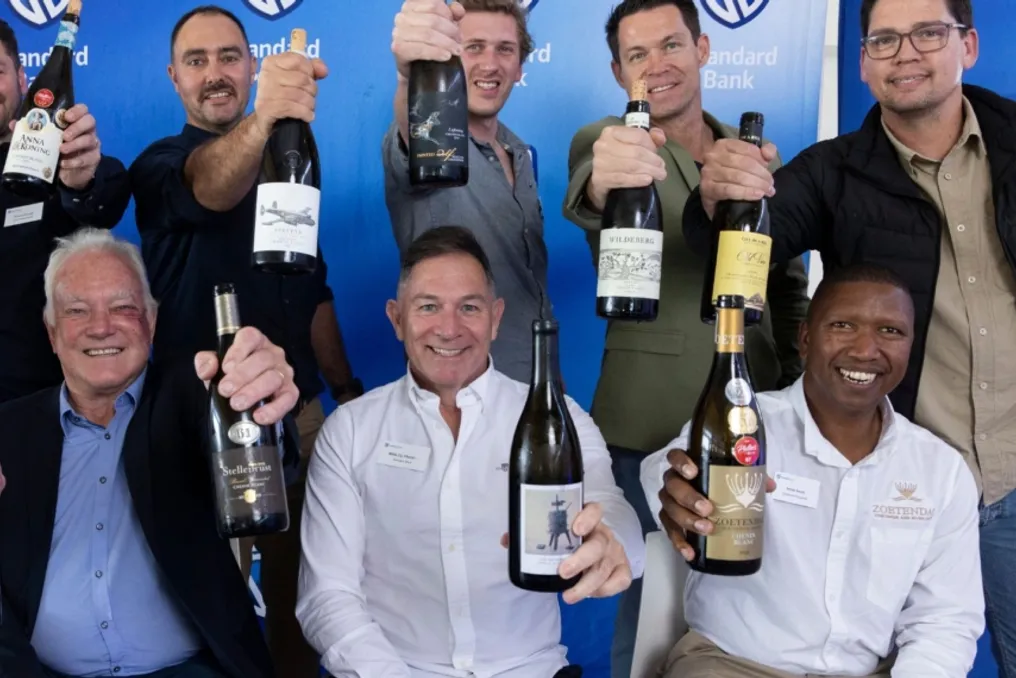
In September in Cape Town, on vineyards taking on autumn hues before the arrival of spring, an event took place at Cavalli Estate in Stellenbosch, Western Cape. Winemakers, industry representatives, and stakeholders gathered there to celebrate the Standard Bank Chenin Blanc Top 10 competition for 2026.

The competition highlighted the high quality and diversity of Chenin Blanc produced in South Africa. Regions from which wines were presented included Bot River, Swartland, Breedekloof, Stellenbosch, Wellington, Paarl, and Elim.

Carel Jordan, Head of Agribusiness and Commercial Clients at Standard Bank, noted that success in the wine industry depends not only on cost control. Farmers and winemakers must effectively utilize their resources while producing wines that meet market demands.

Philip Maiburg, Executive Head of Trade and Business with Clients from Africa and China at Standard Bank, stated that improved access to China could open new opportunities for South African wine producers. He added: 'We are very hopeful that improving zero-tariff conditions allows us to gain an additional channel and export market into China.'

Maiburg also suggested that changing consumer habits in China could benefit Chenin Blanc, as more consumers buy wine for home use and opt for white wines for social events.

Ginette de Fleurie, a member of CWM and chair of the jury, emphasized that Chenin Blanc is in a strong position due to South Africa's old vineyards, diverse terroirs, and growing international reputation. She noted that many wines in the top 10 and top 20 were sourced from old vines, and South Africa's certified historic vineyards enrich the country's wine heritage.

De Fleurie stated: 'Our task now is to continue raising the bar and ensuring that commercial success is never achieved at the expense of individuality and quality.'

The list of ten winners includes: Beaumont Family Wines Hope Marguerite 2025 from Bot River, Walker Bay; City on a Hill Old Vine Chenin Blanc 2024 from Swartland; DaschBosch Mossiesdrift Steen 2025 from Breedekloof; Groot Phesantekraal Anna de Koning 2024 from Cape Town, Durbanville; Painted Wolf Wines Lightning Chenin Blanc 2024 from Wellington; Stettyn Old Vine Chenin Blanc 2025 from Stettyn; Stellenrust ArtiSons Mothership Chenin Blanc 2025 from Stellenbosch; Stellenrust 61 Barrel Fermented Chenin Blanc 2025 from Stellenbosch; Wildeberg Terroirs Chenin Blanc 2024 from Paarl; and Zoetendal Chenin Blanc 2022 from Coastal Region.

For Denzel Jonathan Swarts of Zoetendal Vineyards & River Estate in Elim, recognition is part of his personal journey in the wine industry. Swarts grew up in a farming family in Koelenhof, Stellenbosch, where he handled general farm duties, pest control, and water pipe clearing before moving into management. He now works at Zoetendal as the Executive Director of Sales and Branding, as well as a wine consultant. The Zoetendal Chenin Blanc 2022 reflects the coastal character of Elim and made it into the top 10.

Swarts stated: 'The award belongs to the whole team. It is not about the farm or me; it is about what becomes possible when people are given the opportunity to dream, work, and grow.'

The DaschBosch Mossiesdrift Steen 2025 also attracted attention due to its connection to old vines. It is made from 1962 bush vines in Breedekloof and undergoes six months of lees aging, followed by eight months in old oak barrels. Willem (WS) Visagi, Head of Winemaking and Order Fulfillment for the branded portfolio at Daschbosch, reported that this wine embodies the character and history of his vineyard.

Visagi explained: 'Daschbosch Mossiesdrift Steen stands out primarily because of its history and meticulous, slow winemaking process that honors its origins.' He added that this wine is part of a broader shift in the perception of South African Chenin Blanc, driven by old vineyards, research, and growing international interest.

Fred Löffler, National Sales Manager for Painted Wolf Wines, also took an unconventional path in winemaking. Before entering the field, he was a musician in Nelspruit, teaching guitar and performing with local bands. His uncle, wine collector Daryl Belfour, introduced him to the world of wine, later connecting him with co-founders of Painted Wolf Wines, Jeremy and Emma Borg. Löffler joined the winery as a harvest intern in 2023, then became assistant winemaker and sales representative before moving to his current role as national sales manager. Lightning Chenin Blanc 2024 comes from 50-year-old old vines in Wellington. Löffler noted: 'Lightning Chenin 2024 is one of the wines whose production I value the most.'

These three wines reflect the overall story of this year's top 10: old vineyards, unique regions, and individuals whose life paths have helped shape the story of South African Chenin Blanc.

Popular