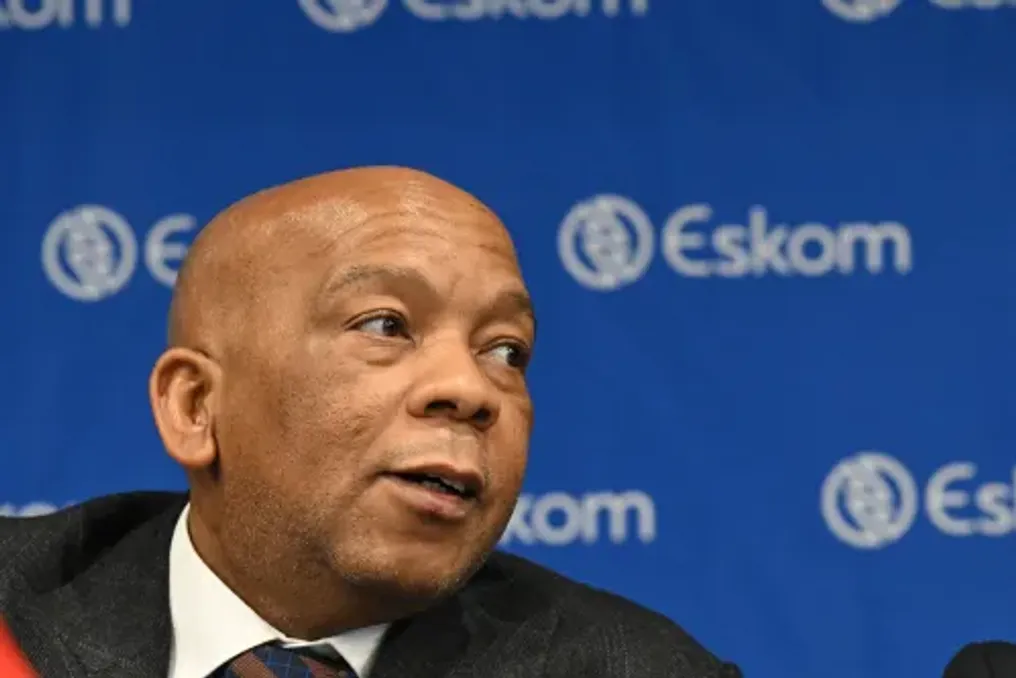
The Minister of Electricity and Energy, Kgosiyenso Ramkgoppa, reported that as of the end of July, municipalities owed the energy company Eskom over 120 billion rands.
Responding to questions from Parliament by IFP MP Nomphumelelo Mkhlongo, Ramkgoppa warned that this enormous debt represents the 'biggest threat' to the sustainability of the power supply company.
He specified that as of July 31, 2026, the total overdue municipal debt amounted to 120.26 billion rands. The Minister emphasized that municipal debt remains the primary threat to Eskom's financial stability and forecasts an increase in this debt to 358 billion rands by the 2031 fiscal year if decisive measures are not taken.
Mkhlongo questioned Ramkgoppa about the current size of municipalities' debt to Eskom after the City of Johannesburg recently settled an overdue debt of 5.25 billion rands. She also inquired about the number of municipalities undergoing formal debt recovery or intervention, as well as the measures being taken to prevent the accumulation of debts that threaten energy supply security.
In his response, Ramkgoppa confirmed that the City of Johannesburg had settled its debts. He added that the National Treasury has established a dedicated Eskom Restructuring Task Team to develop and coordinate structural solutions across all management areas to address this issue.
Municipal debt could reach 358 billion by 2031
Ramkgoppa also stated that in the 2026 financial year results published by Eskom on August 31, it was noted that non-payment by municipalities, metros, and private individuals continues to constrain its financial performance. Due to the increased risk of uncollectability, the amount unrecognized as income totaled 15.8 billion rands, which is approximately 4.5% of revenue. This figure is an increase compared to the 11.9 billion rands recorded in the 2025 financial year.
Furthermore, Ramkgoppa announced that 83 municipalities are currently under official debt collection processes by Eskom. Of these, 71 are participating in the National Treasury's Municipal Debt Relief Programme.
Only 10 municipalities meet debt relief conditions
As reported by Cape Argus last week, 50 out of 71 municipalities had outstanding debts to Eskom in August totaling 40.5 billion rands, accumulated since the introduction of the Municipal Debt Relief Programme in 2023. The National Treasury launched this programme three years ago with the aim of improving Eskom's balance sheet and facilitating proposals for debt write-offs subject to strict conditions.
Ramkgoppa noted that Eskom is implementing several measures to improve municipal payment discipline, eliminate revenue shortfalls, and limit further debt growth. The company collaborates with indebted municipalities through Distribution Agency Agreements to strengthen electricity supply operations, enhance operational efficiency, and improve revenue collection.
Eskom provides technical teams to transfer skills and build capacity in municipalities, while the municipality's electricity business is isolated, and billing and revenue collection are managed by Eskom. These agreements are temporary, with the distribution license remaining with the owner.
The Minister also stated that Eskom continues to work with the National Treasury to support municipalities, including participation in the Municipal Debt Relief Programme. However, he observed that the programme has achieved limited success: only 10 out of the 71 participating municipalities fully comply with the National Treasury's key condition of monthly full settlement of current accounts.
Ramkgoppa added that Eskom has implemented targeted measures to assist municipalities in resolving payment issues. These include payment extensions, debt isolation with moratorium and interest waiver, and debt forgiveness contingent upon adherence to the National Treasury's Debt Relief Programme. Additionally, the energy company utilizes credit management processes, interacts through intergovernmental structures, and offers payment options.
These steps have contributed to improved payment performance among urban and some other municipalities. Eskom has also managed the notified maximum demand of indebted municipalities to help reduce their electricity bills. Ramkgoppa concluded that if necessary, Eskom considers legal action, limiting supply to the municipality's affordability level, or disconnection as a last resort.